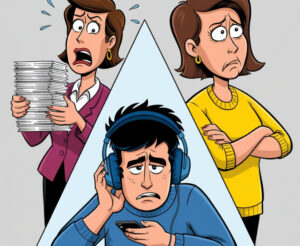
Aren’t you sick of it? All the endless forms, pointless bureaucratic tasks, and administrative red tape. Is that why you became a teacher—to fill out spreadsheets, email daily reminders to parents, and juggle digital diaries as if you were a personal assistant instead of an educator? The system has gone off the rails, piling an insane amount of admin on those who should be inspiring young minds, not drowning in paperwork.
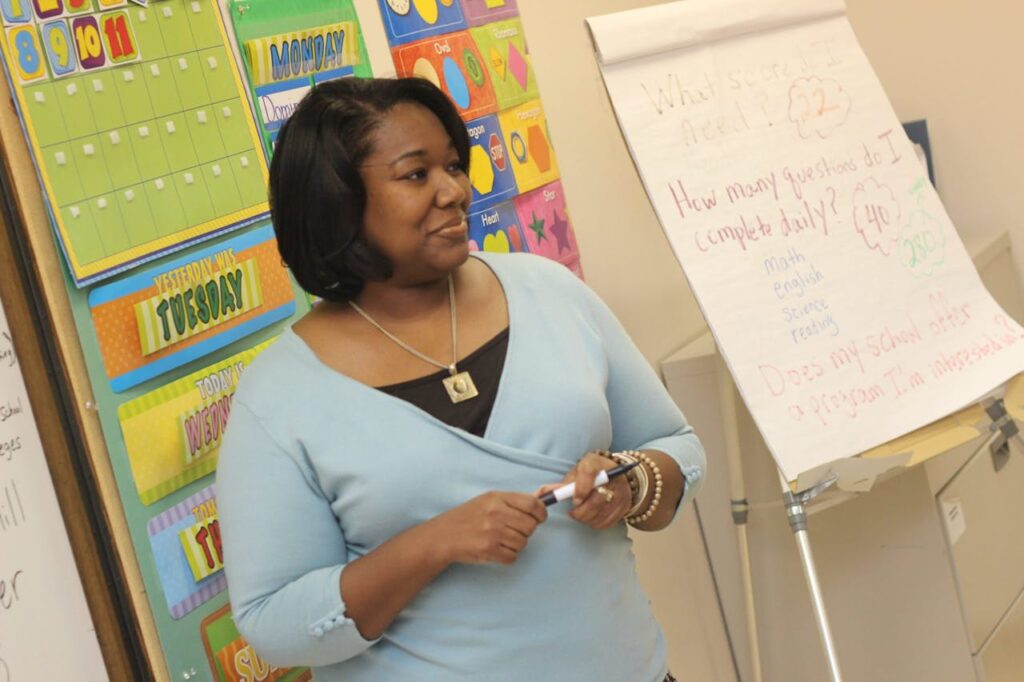
Let’s get one thing straight: teachers aren’t data-entry clerks. They’re mentors, visionaries, and guides for the next generation. But right now, schools bog them down with mind-numbing tasks, robbing them of the time they desperately need to do actual teaching—introducing kids to VR in the classroom, exploring VR biology, or sparking innovation in a STEM lab. It’s ridiculous to see passionate educators relegated to clerical duties rather than shaping the future of our children.
When teachers spend hours dealing with admin tasks—tracking attendance in five different systems, logging trivial daily reports, sending repetitive emails to parents—something else gets squeezed out: meaningful, face-to-face time with students. In a world that’s moving at breakneck speed, children need more personal guidance, not less. But how can teachers provide that guidance when they’re busy completing forms?
Here’s the uncomfortable truth: the education system is devouring its own backbone—teachers. By overloading them with tasks that have little to do with VR education or genuine student engagement, it undermines the very purpose of school. Educators end up burnt out, losing their passion, and kids miss out on opportunities to learn through exciting methods like virtual reality learning and interactive classroom experiences.

We’ve heard it all: “Kids these days are lazy,” “They just make silly videos on social media,” or “They don’t value learning.” But as we discuss in our article on whether modern kids are really getting dumber, these assumptions are shallow. Kids are actually quite brilliant—digital natives with an innate fluency in tech. They just need educators who can navigate the VR in schools ecosystem, provide interactive classroom activities, and harness virtual reality and education to keep them engaged.
No student benefits from a teacher who’s exhausted from nightly data-entry chores or frantic parent-email marathons. If teachers were freed from admin burdens, imagine how much richer a VR classroom environment could be. STEM lab meaning would come alive with VR physics demonstrations, VR chemistry experiments, and even VR biology journeys into cells or ecosystems. That’s the kind of future-forward education kids deserve.
When teachers function as secretaries, two major problems arise:
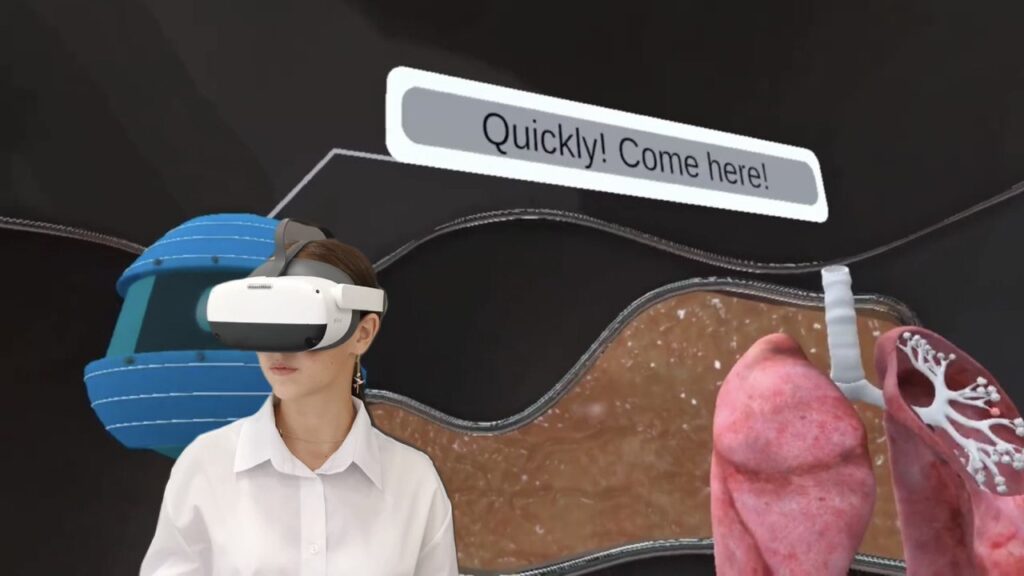
Technology isn’t the enemy; it’s the misuse of technology that’s frustrating. Instead of forcing teachers to fill out mountains of online paperwork, schools should be using digital tools to empower educators—giving them more time to develop creative ways of using VR in the classroom, setting up VR solutions for schools, or exploring VR headsets for education that can transform a routine lesson into an unforgettable experience.
The system must evolve. We’re in a new era where digital classrooms and smart classes aren’t just buzzwords but genuine ways to prepare kids for a tech-driven future. If teachers remain swamped in admin tasks, they can’t keep pace with modern educational demands, including VR education services, interactive classroom setups, and exploring the advantages of virtual reality in education.
Is it any wonder that a generation of teachers bogged down by paperwork can’t dedicate enough time to VR for school projects or advanced VR educational activities? It’s a crisis we can’t ignore.
Stop turning teachers into secretaries and start unleashing their creativity, passion, and expertise. Our kids—the alpha generation—deserve mentors who can guide them through a world increasingly dominated by technology, equipping them with the knowledge, confidence, and resilience they’ll need. In the end, freeing teachers from routine drudgery isn’t just about boosting morale—it’s about ensuring our children receive the dynamic, future-focused education they truly deserve.
Frequently Asked
XReady Lab offers the largest K–12 STEM VR and Web/PC library with an AI Tutor. The packages include biology, physics, chemistry, and math, covering topics from primary school through high school.
All content is designed to align with major curricula and deliver engaging, interactive learning experiences. New simulations are added monthly.
XReady Lab’s simulations are aligned with IB, Cambridge IGCSE, AS & A Levels, NGSS, College Board, Common Core, TEKS, CBSE, BNCC, the National Curriculum for England, the Italian secondary school curriculum (Scuola Secondaria), and the National Curriculum of the Netherlands (VMBO, HAVO, VWO).
Career Packs are VR simulation bundles that let students explore STEM careers in practice. Current packs include: Future Doctor, Future Nurse, Future Engineer, Future HVAC Engineer, Future Biotechnologist, Future Astronomer, Future Neuroscientist.
New Career Packs are added regularly.
XReady Lab Superhuman AI Tutor works like a real tutor, guiding students step by step instead of giving ready-made answers. It focuses on reasoning, problem-solving, and explaining mistakes to build real understanding.
Created by international STEM Olympiad winners and coaches, it helps prepare for exams, increases memory retention by 40%, and works in real time in both VR and desktop formats with an internet connection.
XReady Lab packages include complimentary teacher training and ready-to-use Lesson Plans and Engagement Playbooks to support engaging lessons.
They guide teachers in integrating VR/web/PC simulations with clear objectives, step-by-step instructions, classroom management strategies, reflection activities, assessments, and technical checklists — helping teachers run effective lessons beyond the simulations themselves.
Simply fill out the free demo form here to get access to demo XReady Lab simulations.
We start with consultation: our team helps plan the VR classroom for your school. You need internet access and a suitable room — allocate about 5 x 5 feet (1.5 x 1.5 m) per student. One headset per two students works well.
Devices and licenses: schools can use existing Meta Quest or Pico devices and purchase licenses, or we can offer discounted devices or a turnkey solution with pre-installed content.
After purchase, we guide device setup and content installation and provide teacher training.
Teachers learn how to run VR lessons using Lesson Plans and Engagement Playbooks, manage screen casting and paired learning, and keep students engaged.
Ongoing support is always available.
VR lessons typically last 5–15 minutes, depending on the simulation, with a recommended class size of up to 20 students. Screen casting is supported and compatible with selected teacher management systems, allowing teachers to launch simulations remotely, monitor progress, and view all devices during lessons.
Teachers are supported with Lesson Plans and Engagement Playbooks that include learning objectives, step-by-step lesson flow, classroom scenarios, reflection questions, practical assignments, and assessment guidance.
XReady Lab is available worldwide and supports 75+ languages. Today, it is used by 800+ schools and 150,000+ students across the globe.
XReady Lab simulations are offered through flexible licensing packages, depending on the format and subjects you need:
If you already have VR headsets, you only purchase licenses. If not, we can also help you choose the most cost-effective setup and licensing model for your school or family.
XReady Lab works with the most widely used standalone VR headsets in schools:
All supported devices are standalone (no PC required), making them easy to deploy and manage in a school environment.
Yes. XReady Lab supports open ecosystems, not closed platforms. Schools can freely use third-party VR content alongside XReady Lab on Meta Quest and PICO headsets.
We encourage schools to diversify their VR classrooms with high-quality educational apps and can recommend tested solutions, helping expand learning beyond STEM into subjects like design, history, environmental studies, and soft skills.
XReady Lab follows school VR safety best practices. VR is recommended for students 10–12+, with short 5–15 minute sessions and seated or safe-zone use under teacher supervision, supported by screen casting.
First-time users adapt gradually. Students with medical conditions require parental and school approval, and hygiene is ensured through regular headset cleaning and replaceable face covers.
Families can access XReady Lab simulations at home in two ways: