Over the past century, education has undergone countless changes, yet many schools continue to focus on traditional subjects like literature, math, history, and, in some regions, religious studies. While these remain valuable, rapid technological advancements mean new skills are now essential for everyone—not just aspiring programmers or engineers. From coding and data science to immersive technologies and machine learning, these capabilities have become the new “basics” for a generation growing up in a digital reality.
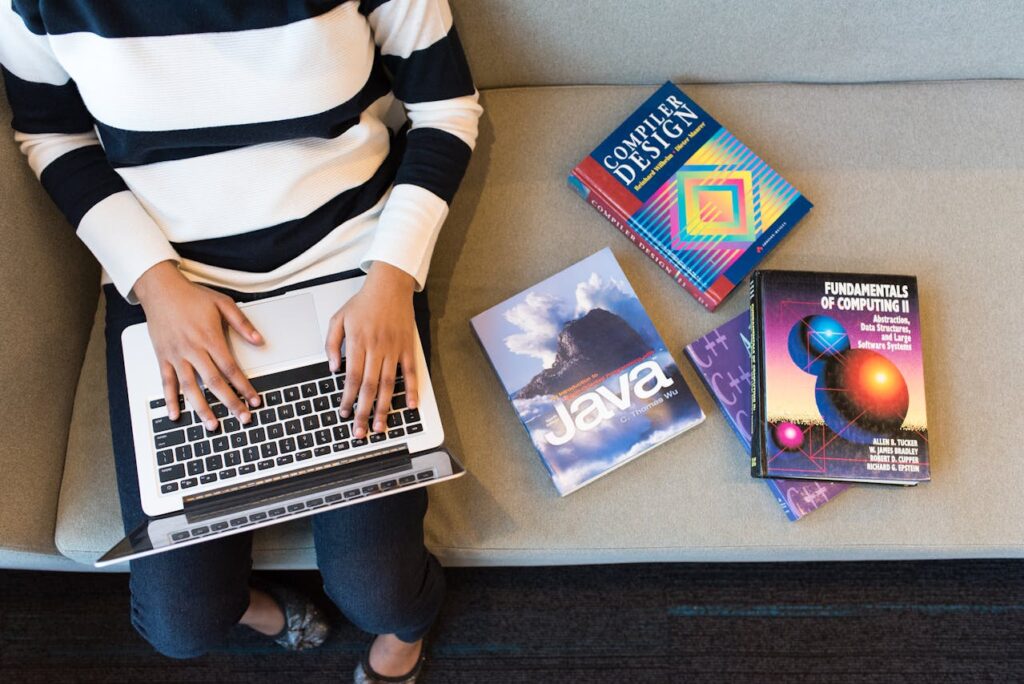
It’s easy to assume that coding or data science only matters for tech-specific careers. However, in fields like healthcare, finance, marketing, and even art, technology drives innovation. Familiarity with concepts like artificial intelligence and machine learning is increasingly seen as a fundamental skill, much like reading or arithmetic. Even major figures such as Elon Musk have launched schools emphasizing forward-thinking curricula, as discussed in our article on Elon Musk’s Influence on US Education.
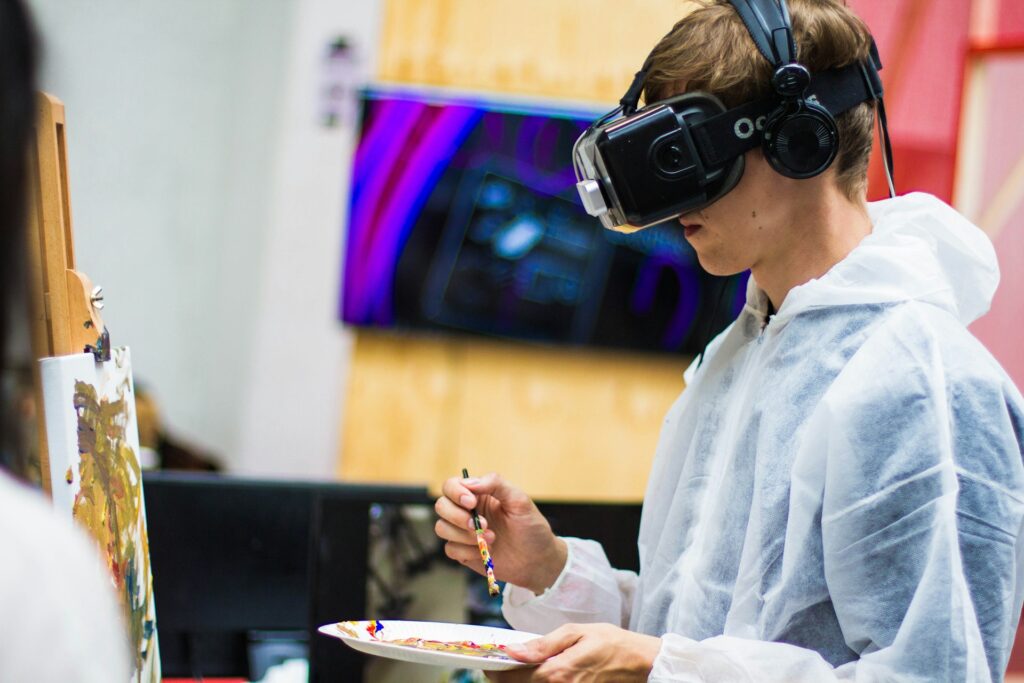
Extended Reality (XR) includes augmented, mixed, and virtual environments. While AR and MR overlay digital elements onto the real world, VR fully immerses users in a simulated setting. These technologies are quickly becoming vital in training, product design, and creative industries. In the classroom, XR can turn complex theoretical lessons—be it biology or architecture—into interactive experiences. By doing so, students grasp concepts more intuitively, enhancing both engagement and retention.
Artificial intelligence may conjure sci-fi images of robots replacing humans, yet modern AI simply automates repetitive tasks and analyzes vast data sets quickly. In education, AI can assist with everything from personalized feedback to automated grading, freeing teachers to focus on personal interaction and creative lesson planning. This aligns with our perspective on critical thinking in the face of technological change, explored in our article on Developing Critical Thinking Skills.

Traditional skills like reading and writing remain crucial, but schools must now integrate topics such as:

While studying subjects like history, languages, or literature remains vital, the modern world demands more. Students must also be capable of creating, interpreting, and managing technology. High-profile thinkers, including Elon Musk, argue that schools often miss the mark by not teaching advanced STEM or technology from an early age. Our article on Leadership and Problem-Solving delves into how these competencies must align with hands-on tech experiences.
Some educators worry that advanced tech like AI or data analytics might “replace” critical human skills. But, as we’ve argued in our analysis of AI Tools for Teachers, automation and machine intelligence are best viewed as enhancements, not threats. The real value lies in training students to use these tools effectively, blending digital expertise with human creativity and emotional intelligence.
Parents often grapple with selecting an institution that balances traditional academics with modern competencies. Why limit a child to reading heavy textbooks only, when they can also learn:
A well-equipped school might feature digital labs and online resources, plus collaboration with local tech companies for workshops or internships. This approach aligns with our insights on how best to prepare students for tomorrow’s jobs, as explored in Generation Alpha: Rethinking Education.
The future isn’t just about memorizing facts; it’s about adaptability, innovative thinking, and familiarity with groundbreaking technologies. Teaching only the classics—like fiqh or history—without integrating coding, AI, XR, or data science does students a disservice. These skill sets have shifted from “extras for success” to essential fundamentals, shaping how individuals will work, communicate, and solve problems.
Rather than fearing the displacement of old subjects, schools should focus on blending time-honored lessons with new technical competencies. In doing so, we empower students to thrive in a rapidly evolving digital world, ensuring they don’t just consume technology, but shape it.
At XReady Lab, we champion an educational model that fuses modern tech skills with holistic development. By weaving these new basics into the school curriculum, we help create a generation ready to lead, innovate, and explore a future that’s full of possibilities.
Frequently Asked
XReady Lab offers the largest K–12 STEM VR and Web/PC library with an AI Tutor. The packages include biology, physics, chemistry, and math, covering topics from primary school through high school.
All content is designed to align with major curricula and deliver engaging, interactive learning experiences. New simulations are added monthly.
XReady Lab’s simulations are aligned with IB, Cambridge IGCSE, AS & A Levels, NGSS, College Board, Common Core, TEKS, CBSE, BNCC, the National Curriculum for England, the Italian secondary school curriculum (Scuola Secondaria), and the National Curriculum of the Netherlands (VMBO, HAVO, VWO).
Career Packs are VR simulation bundles that let students explore STEM careers in practice. Current packs include: Future Doctor, Future Nurse, Future Engineer, Future HVAC Engineer, Future Biotechnologist, Future Astronomer, Future Neuroscientist.
New Career Packs are added regularly.
XReady Lab Superhuman AI Tutor works like a real tutor, guiding students step by step instead of giving ready-made answers. It focuses on reasoning, problem-solving, and explaining mistakes to build real understanding.
Created by international STEM Olympiad winners and coaches, it helps prepare for exams, increases memory retention by 40%, and works in real time in both VR and desktop formats with an internet connection.
XReady Lab packages include complimentary teacher training and ready-to-use Lesson Plans and Engagement Playbooks to support engaging lessons.
They guide teachers in integrating VR/web/PC simulations with clear objectives, step-by-step instructions, classroom management strategies, reflection activities, assessments, and technical checklists — helping teachers run effective lessons beyond the simulations themselves.
Simply fill out the free demo form here to get access to demo XReady Lab simulations.
We start with consultation: our team helps plan the VR classroom for your school. You need internet access and a suitable room — allocate about 5 x 5 feet (1.5 x 1.5 m) per student. One headset per two students works well.
Devices and licenses: schools can use existing Meta Quest or Pico devices and purchase licenses, or we can offer discounted devices or a turnkey solution with pre-installed content.
After purchase, we guide device setup and content installation and provide teacher training.
Teachers learn how to run VR lessons using Lesson Plans and Engagement Playbooks, manage screen casting and paired learning, and keep students engaged.
Ongoing support is always available.
VR lessons typically last 5–15 minutes, depending on the simulation, with a recommended class size of up to 20 students. Screen casting is supported and compatible with selected teacher management systems, allowing teachers to launch simulations remotely, monitor progress, and view all devices during lessons.
Teachers are supported with Lesson Plans and Engagement Playbooks that include learning objectives, step-by-step lesson flow, classroom scenarios, reflection questions, practical assignments, and assessment guidance.
XReady Lab is available worldwide and supports 75+ languages. Today, it is used by 800+ schools and 150,000+ students across the globe.
XReady Lab simulations are offered through flexible licensing packages, depending on the format and subjects you need:
If you already have VR headsets, you only purchase licenses. If not, we can also help you choose the most cost-effective setup and licensing model for your school or family.
XReady Lab works with the most widely used standalone VR headsets in schools:
All supported devices are standalone (no PC required), making them easy to deploy and manage in a school environment.
Yes. XReady Lab supports open ecosystems, not closed platforms. Schools can freely use third-party VR content alongside XReady Lab on Meta Quest and PICO headsets.
We encourage schools to diversify their VR classrooms with high-quality educational apps and can recommend tested solutions, helping expand learning beyond STEM into subjects like design, history, environmental studies, and soft skills.
XReady Lab follows school VR safety best practices. VR is recommended for students 10–12+, with short 5–15 minute sessions and seated or safe-zone use under teacher supervision, supported by screen casting.
First-time users adapt gradually. Students with medical conditions require parental and school approval, and hygiene is ensured through regular headset cleaning and replaceable face covers.
Families can access XReady Lab simulations at home in two ways: