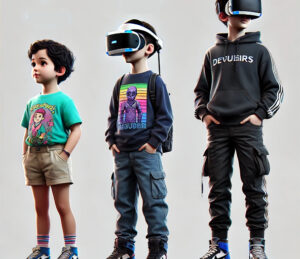
Physics can be one of the most resource-intensive disciplines in a typical school curriculum. Setting up thermodynamics experiments or complex electrical circuits often requires specialized rooms, costly equipment, and extensive safety measures. However, recent advancements in immersive technology are providing more efficient and engaging approaches to teaching physics. Below, XReady Lab explore how these cutting-edge tools can simplify lab setups, save valuable time, and reduce risks in practical lessons.

Conventional physics instruction often relies on multiple lab spaces and equipment. For example, one room might be dedicated to mechanics and thermodynamics, while another might be equipped for electricity and magnetism. This division is not only expensive but also consumes a large amount of space within the school.
By replacing certain physical setups with simulation-based environments, schools can minimize the number of specialized rooms needed for physics experiments:
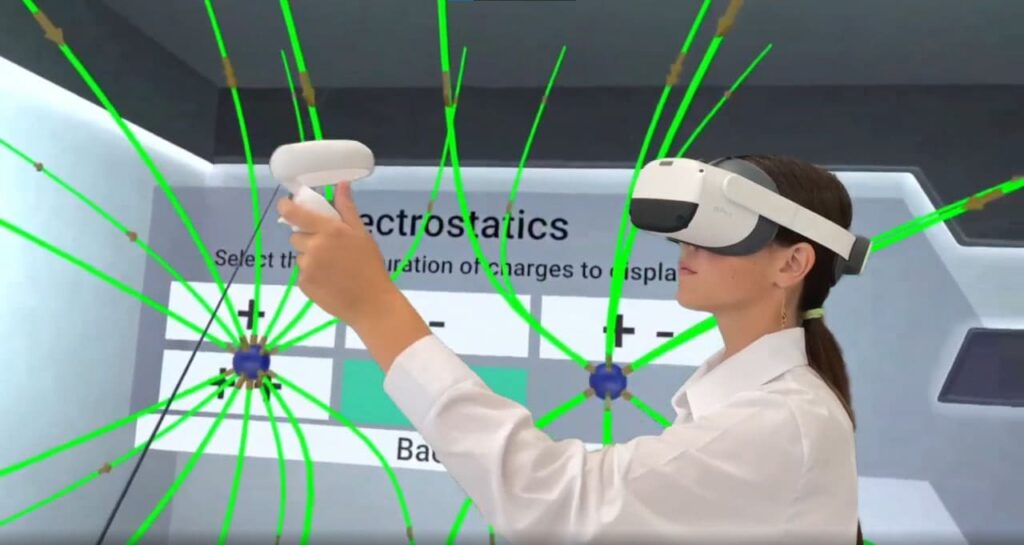
XReady Lab VR lab: Electrification
Managing a traditional lab schedule can involve hours of routine tasks: unpacking devices, performing safety checks, and reassembling everything for the next lesson. In contrast, digital classrooms:
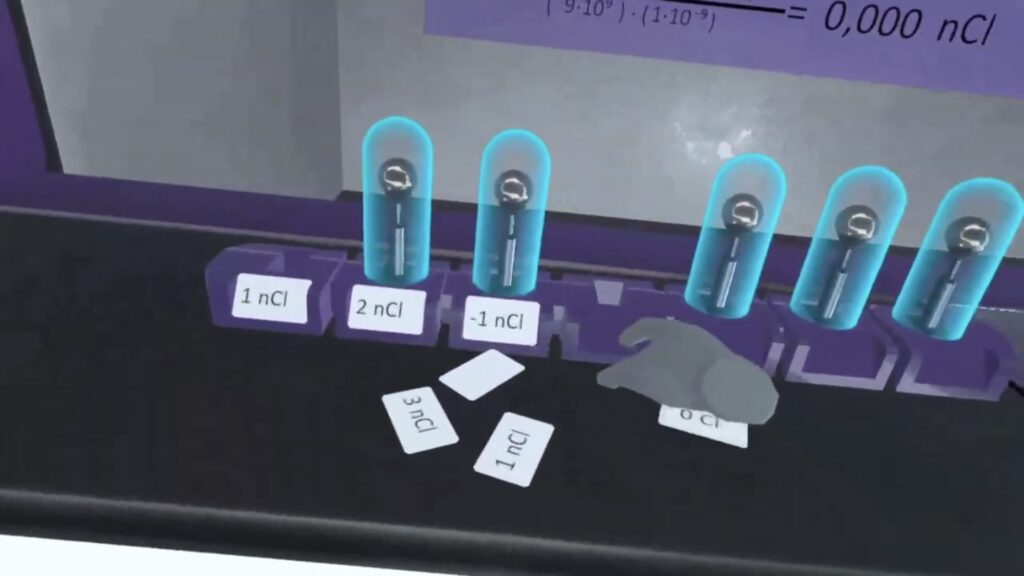
One of the biggest advantages of simulation-based learning is safety. In a virtual physics environment:
Many educators think of STEM labs in terms of separate rooms dedicated to physics, chemistry, or biology. However, “STEM lab meaning” is expanding to include digital solutions. Immersive content can be integrated right into the existing school infrastructure, and hardware such as headsets starting at $299 often requires less maintenance than physical lab equipment.
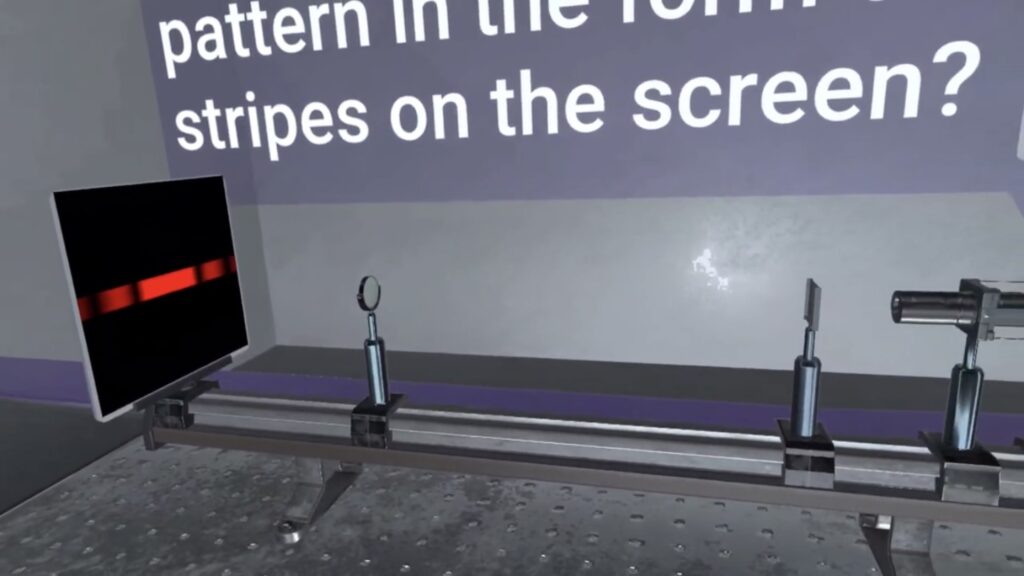
XReady Lab specializes in providing science-focused simulations designed to streamline these processes. XReady Lab solutions aim to balance safety, cost-effectiveness, and educational outcomes by giving students access to realistic scenarios that can otherwise be too expensive or hazardous to perform in real classrooms.
Today’s students are growing up in a technologically advanced world. They’re used to smartphones, tablets, and digital content from an early age. Offering learning in a 3D environment is more likely to capture their attention, encourage active participation, and foster a deeper connection to the subject matter.
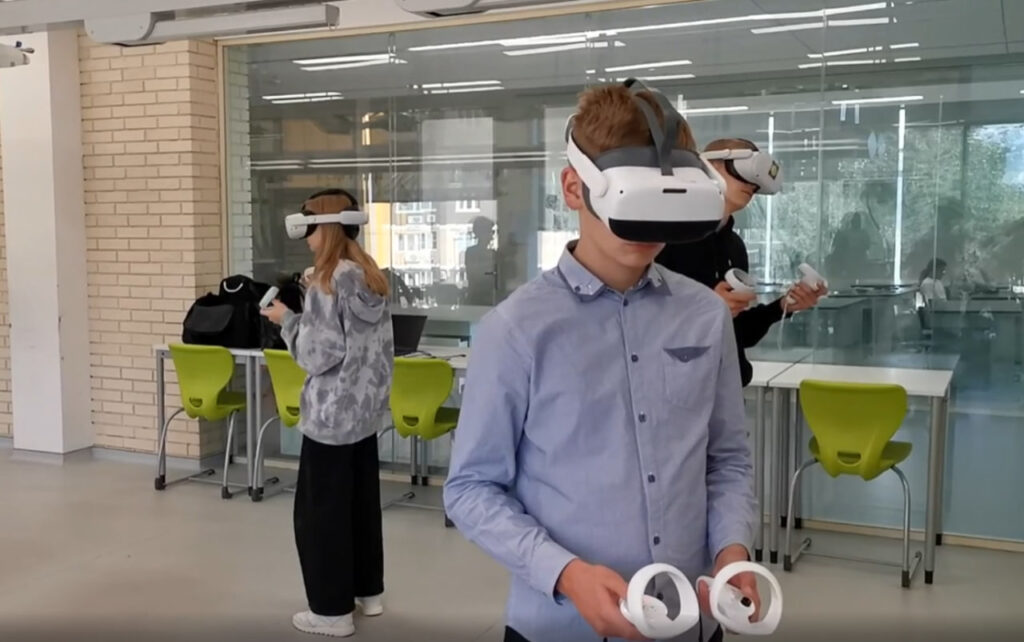
Schools considering immersive solutions may ask, “Is it safe?” or “Does it meet curriculum requirements?” Reputable education technology providers ensure that:
Upgrading the physics classroom isn’t just about embracing the latest gadgets; it’s about creating a more efficient, safe, and dynamic learning environment. Immersive tools can consolidate multiple lab types, save precious teacher time, and eliminate common safety risks—all while keeping students deeply engaged.
By focusing on practical lessons through simulation-based platforms, schools can do more with less. Teachers regain the freedom to teach rather than spending hours setting up or cleaning labs, and students enjoy a modern approach that resonates with their digitally connected lifestyles.
Ready to take your physics lessons to the next level? Discover how XReady Lab immersive simulations can boost student engagement, cut lab costs, and streamline your teaching process. Experience firsthand the benefits of a modern, tech-driven approach to physics education. Request your free demo now and see how XReady Lab solutions can transform your classroom.
Frequently Asked
XReady Lab offers the largest K–12 STEM VR and Web/PC library with an AI Tutor. The packages include biology, physics, chemistry, and math, covering topics from primary school through high school.
All content is designed to align with major curricula and deliver engaging, interactive learning experiences. New simulations are added monthly.
XReady Lab’s simulations are aligned with IB, Cambridge IGCSE, AS & A Levels, NGSS, College Board, Common Core, TEKS, CBSE, BNCC, the National Curriculum for England, the Italian secondary school curriculum (Scuola Secondaria), and the National Curriculum of the Netherlands (VMBO, HAVO, VWO).
Career Packs are VR simulation bundles that let students explore STEM careers in practice. Current packs include: Future Doctor, Future Nurse, Future Engineer, Future HVAC Engineer, Future Biotechnologist, Future Astronomer, Future Neuroscientist.
New Career Packs are added regularly.
XReady Lab Superhuman AI Tutor works like a real tutor, guiding students step by step instead of giving ready-made answers. It focuses on reasoning, problem-solving, and explaining mistakes to build real understanding.
Created by international STEM Olympiad winners and coaches, it helps prepare for exams, increases memory retention by 40%, and works in real time in both VR and desktop formats with an internet connection.
XReady Lab packages include complimentary teacher training and ready-to-use Lesson Plans and Engagement Playbooks to support engaging lessons.
They guide teachers in integrating VR/web/PC simulations with clear objectives, step-by-step instructions, classroom management strategies, reflection activities, assessments, and technical checklists — helping teachers run effective lessons beyond the simulations themselves.
Simply fill out the free demo form here to get access to demo XReady Lab simulations.
We start with consultation: our team helps plan the VR classroom for your school. You need internet access and a suitable room — allocate about 5 x 5 feet (1.5 x 1.5 m) per student. One headset per two students works well.
Devices and licenses: schools can use existing Meta Quest or Pico devices and purchase licenses, or we can offer discounted devices or a turnkey solution with pre-installed content.
After purchase, we guide device setup and content installation and provide teacher training.
Teachers learn how to run VR lessons using Lesson Plans and Engagement Playbooks, manage screen casting and paired learning, and keep students engaged.
Ongoing support is always available.
VR lessons typically last 5–15 minutes, depending on the simulation, with a recommended class size of up to 20 students. Screen casting is supported and compatible with selected teacher management systems, allowing teachers to launch simulations remotely, monitor progress, and view all devices during lessons.
Teachers are supported with Lesson Plans and Engagement Playbooks that include learning objectives, step-by-step lesson flow, classroom scenarios, reflection questions, practical assignments, and assessment guidance.
XReady Lab is available worldwide and supports 75+ languages. Today, it is used by 800+ schools and 150,000+ students across the globe.
XReady Lab simulations are offered through flexible licensing packages, depending on the format and subjects you need:
If you already have VR headsets, you only purchase licenses. If not, we can also help you choose the most cost-effective setup and licensing model for your school or family.
XReady Lab works with the most widely used standalone VR headsets in schools:
All supported devices are standalone (no PC required), making them easy to deploy and manage in a school environment.
Yes. XReady Lab supports open ecosystems, not closed platforms. Schools can freely use third-party VR content alongside XReady Lab on Meta Quest and PICO headsets.
We encourage schools to diversify their VR classrooms with high-quality educational apps and can recommend tested solutions, helping expand learning beyond STEM into subjects like design, history, environmental studies, and soft skills.
XReady Lab follows school VR safety best practices. VR is recommended for students 10–12+, with short 5–15 minute sessions and seated or safe-zone use under teacher supervision, supported by screen casting.
First-time users adapt gradually. Students with medical conditions require parental and school approval, and hygiene is ensured through regular headset cleaning and replaceable face covers.
Families can access XReady Lab simulations at home in two ways: