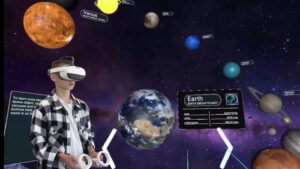
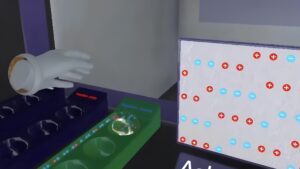
For many students, DNA can feel like an overwhelming concept—packed with chemical bonds and molecular jargon. Yet understanding DNA lies at the heart of biology, revealing how organisms store and pass on genetic information. When taught with traditional methods, students often face static diagrams in textbooks or simplistic models that fail to convey DNA’s dynamic nature. Fortunately, new approaches in educational technology are changing the game, making even the most complex topics more engaging and accessible.
DNA is more than just a double-helix image on a poster. It’s the blueprint that guides life’s functions, from cellular development to gene expression. Mastering DNA fundamentals can spark a deeper interest in science, particularly for learners keen on pursuing research in genetics, medicine, or related fields. However, sparking that interest often requires going beyond lectures and into hands-on, imaginative activities.
Studies show that students grasp scientific concepts more effectively when they actively participate in lessons. Setting up real-world experiments can be challenging due to costs or safety concerns—especially when dealing with advanced chemistry or lab tools. This is where immersive experiences come into play, providing a safe space for exploration without expensive or risky equipment.
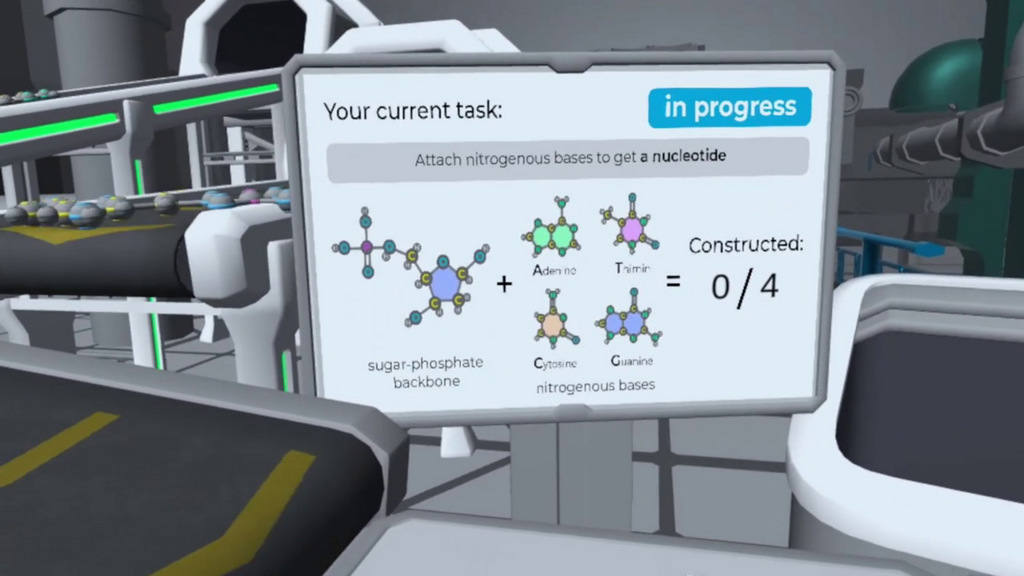
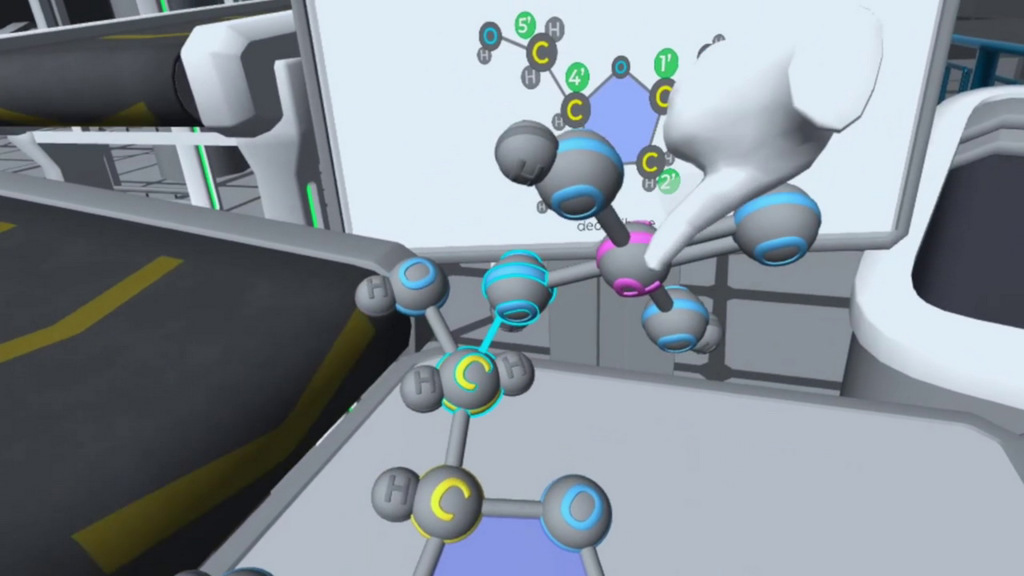
At XReady Lab, we believe in blending playful interaction with rigorous scientific content. Our “Nucleotide Factory,” for instance, reimagines how students learn about DNA structure by making them “cell engineers.” Instead of memorizing formulas, learners piece together deoxyribose, phosphate groups, and nitrogenous bases in a virtual environment, exploring how these elements fit together to form DNA strands.
XReady Lab VR lab: Nucleotides Factory
While the simulation focuses on biology, the interactive possibilities echo the excitement often seen in physics or chemistry labs. Whether analyzing atomic bonds or simulating energy transfers, immersive environments can tie together diverse concepts under a common theme of discovery.
Children and teenagers alike can benefit from playful learning. Younger students often respond well to simple role-playing (e.g., imagining they are explorers discovering new molecules), while older learners may prefer more technical, story-driven missions. In both cases, the emphasis on curiosity and creative problem-solving reinforces scientific ideas in a memorable way.
High school classes covering advanced genetics sometimes struggle to keep teens engaged. Many of these students juggle social life, extracurriculars, and part-time jobs, leaving little mental space for dry lectures. A playful approach—especially with immersive tools—helps rekindle their interest. Instead of passively reviewing diagrams, teenagers can navigate 3D models, rotate molecules, and even compete in friendly challenges to see who can assemble or interpret molecular structures the fastest.
New solutions allow teachers to integrate interactive experiences into biology courses without transforming classrooms into full-fledged labs. Some educators use a digital classroom approach—projecting 3D visuals or using specialized headsets. This setup can offer the same hands-on thrill found in a physical STEM lab, minus the expensive chemicals or equipment.
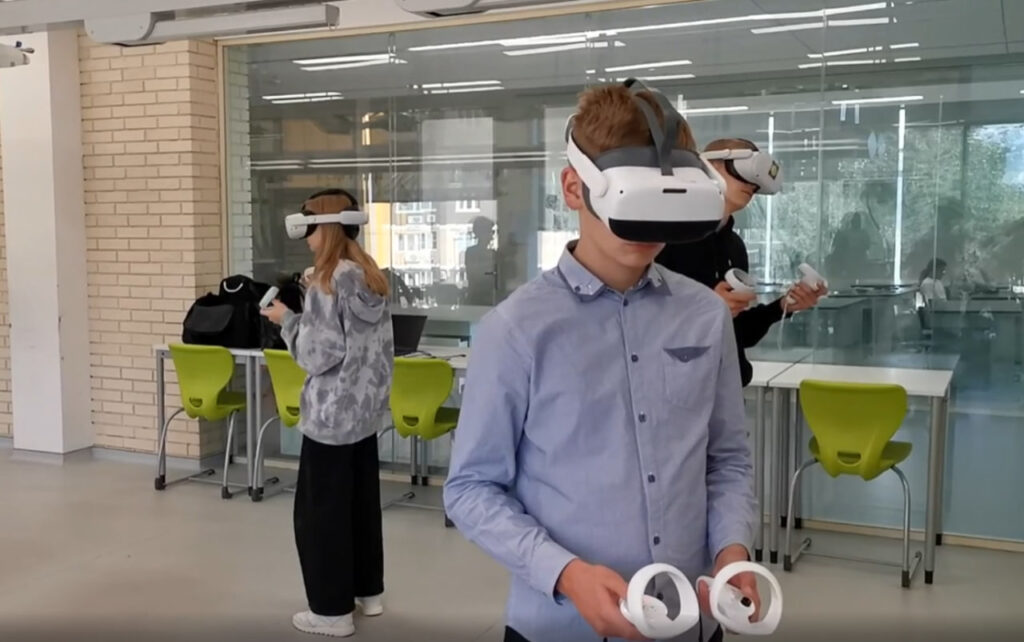
Educators and parents sometimes ask, “Is virtual immersion a distraction?” Studies indicate the opposite: with thoughtful lesson design, students stay more focused. By turning lessons into story-driven activities, teachers address fundamental concepts without monotony. In addition, robust software design includes built-in safety tips and monitoring options, ensuring that classroom experiences remain purposeful and productive.
Immersive education doesn’t end with DNA. Many classes already incorporate creative activities for complex processes in math, engineering, and social sciences. For schools leveraging a flexible learning platform, the possibilities are vast:
As technology evolves, these experiences will likely become the norm, helping students connect seemingly abstract theories with hands-on problem-solving.
An “exciting immersion into the study of DNA” is no longer an unreachable dream. Through sequential tasks and real-time feedback, the building blocks of life become far more tangible than basic textbook diagrams or plastic models ever could. This approach unifies concepts across various scientific disciplines and motivates students to dive deep into complex biology topics.
At XReady Lab, we’re pioneering how DNA can be taught in the digital-classroom age, offering immersive modules that overcome the constraints of traditional methods and bring science to life in fresh, meaningful ways.
Schools looking for advanced interactive content can explore our free demo package, featuring select biology and physics lessons that highlight the transformative power of immersive learning. It’s a practical way to understand how hands-on, technology-driven activities foster motivation and clarity, ultimately raising the bar for educational experiences.
Note: Our DNA “Nucleotide Factory” module isn’t included in the free kit, but testing the other interactive lessons will give you a real sense of how this approach can reshape biology education.
Frequently Asked
XReady Lab offers the largest K–12 STEM VR and Web/PC library with an AI Tutor. The packages include biology, physics, chemistry, and math, covering topics from primary school through high school.
All content is designed to align with major curricula and deliver engaging, interactive learning experiences. New simulations are added monthly.
XReady Lab’s simulations are aligned with IB, Cambridge IGCSE, AS & A Levels, NGSS, College Board, Common Core, TEKS, CBSE, BNCC, the National Curriculum for England, the Italian secondary school curriculum (Scuola Secondaria), and the National Curriculum of the Netherlands (VMBO, HAVO, VWO).
Career Packs are VR simulation bundles that let students explore STEM careers in practice. Current packs include: Future Doctor, Future Nurse, Future Engineer, Future HVAC Engineer, Future Biotechnologist, Future Astronomer, Future Neuroscientist.
New Career Packs are added regularly.
XReady Lab Superhuman AI Tutor works like a real tutor, guiding students step by step instead of giving ready-made answers. It focuses on reasoning, problem-solving, and explaining mistakes to build real understanding.
Created by international STEM Olympiad winners and coaches, it helps prepare for exams, increases memory retention by 40%, and works in real time in both VR and desktop formats with an internet connection.
XReady Lab packages include complimentary teacher training and ready-to-use Lesson Plans and Engagement Playbooks to support engaging lessons.
They guide teachers in integrating VR/web/PC simulations with clear objectives, step-by-step instructions, classroom management strategies, reflection activities, assessments, and technical checklists — helping teachers run effective lessons beyond the simulations themselves.
Simply fill out the free demo form here to get access to demo XReady Lab simulations.
We start with consultation: our team helps plan the VR classroom for your school. You need internet access and a suitable room — allocate about 5 x 5 feet (1.5 x 1.5 m) per student. One headset per two students works well.
Devices and licenses: schools can use existing Meta Quest or Pico devices and purchase licenses, or we can offer discounted devices or a turnkey solution with pre-installed content.
After purchase, we guide device setup and content installation and provide teacher training.
Teachers learn how to run VR lessons using Lesson Plans and Engagement Playbooks, manage screen casting and paired learning, and keep students engaged.
Ongoing support is always available.
VR lessons typically last 5–15 minutes, depending on the simulation, with a recommended class size of up to 20 students. Screen casting is supported and compatible with selected teacher management systems, allowing teachers to launch simulations remotely, monitor progress, and view all devices during lessons.
Teachers are supported with Lesson Plans and Engagement Playbooks that include learning objectives, step-by-step lesson flow, classroom scenarios, reflection questions, practical assignments, and assessment guidance.
XReady Lab is available worldwide and supports 75+ languages. Today, it is used by 800+ schools and 150,000+ students across the globe.
XReady Lab simulations are offered through flexible licensing packages, depending on the format and subjects you need:
If you already have VR headsets, you only purchase licenses. If not, we can also help you choose the most cost-effective setup and licensing model for your school or family.
XReady Lab works with the most widely used standalone VR headsets in schools:
All supported devices are standalone (no PC required), making them easy to deploy and manage in a school environment.
Yes. XReady Lab supports open ecosystems, not closed platforms. Schools can freely use third-party VR content alongside XReady Lab on Meta Quest and PICO headsets.
We encourage schools to diversify their VR classrooms with high-quality educational apps and can recommend tested solutions, helping expand learning beyond STEM into subjects like design, history, environmental studies, and soft skills.
XReady Lab follows school VR safety best practices. VR is recommended for students 10–12+, with short 5–15 minute sessions and seated or safe-zone use under teacher supervision, supported by screen casting.
First-time users adapt gradually. Students with medical conditions require parental and school approval, and hygiene is ensured through regular headset cleaning and replaceable face covers.
Families can access XReady Lab simulations at home in two ways: