


Viral question people actually ask:
“Will my child’s future job even exist by the time they graduate?”
Short answer: maybe not.
And that is exactly why we need to talk about this now.
This article opens a two-part series about the future of work for today’s school students. Not for abstract adults. Not for economists. For children who are now in classrooms and will enter their most productive years in their 30s and 40s.
Part 1 is about career changes.
Part 2 will be about skill changes.
They are connected, but not the same thing.
The old promise was simple and comforting:
school → university → profession → stability.
That model is breaking. Not slowly. Rapidly.
According to the World Economic Forum, 65 percent of children entering school today will work in professions that do not yet exist. That is not a metaphor. It is a statistical projection from the Future of Jobs Report pasted.
What does this mean in practice?
It means that choosing a profession at 16 or 17 is no longer a one-time decision.
It means career paths will be rewritten multiple times.
It means flexibility beats certainty.
And it means schools must stop pretending that one diploma equals one lifelong job.
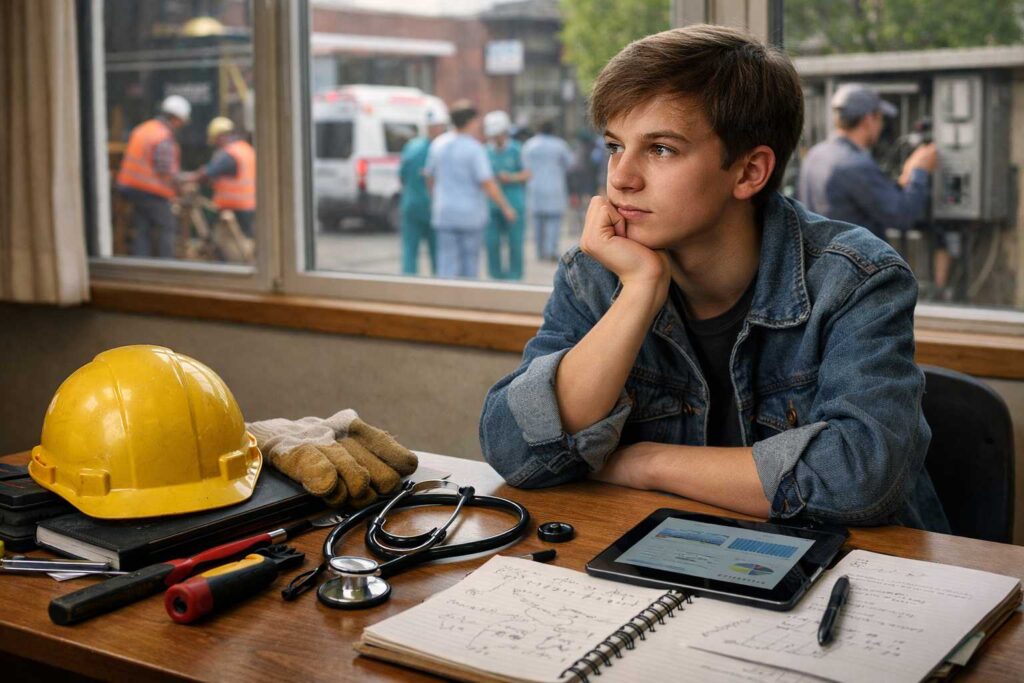
This is not about one technology. It is about convergence.
AI is not replacing entire professions overnight. It is replacing tasks inside professions.
McKinsey estimates that up to 30 percent of tasks in most professions will be automated. That does not eliminate jobs, but it changes what people actually do every day.
Routine work disappears.
Analytical, creative, and decision-based work expands.
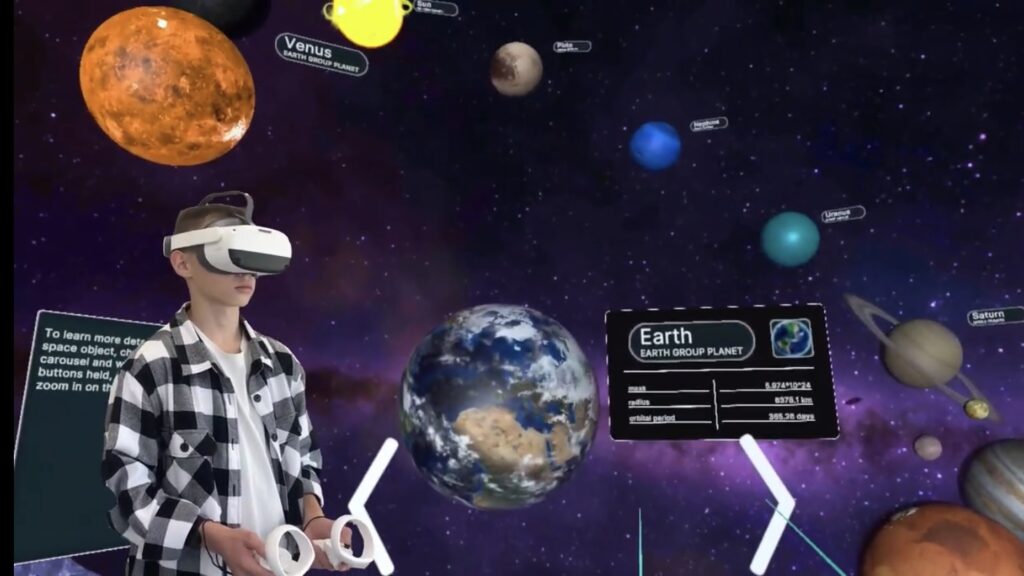
PwC and Meta estimate that VR and AR could contribute 1.5 trillion dollars to the global economy by 2030. The reason is simple: simulation is faster, safer, and more scalable than traditional training.
This affects education, medicine, engineering, logistics, and manufacturing.
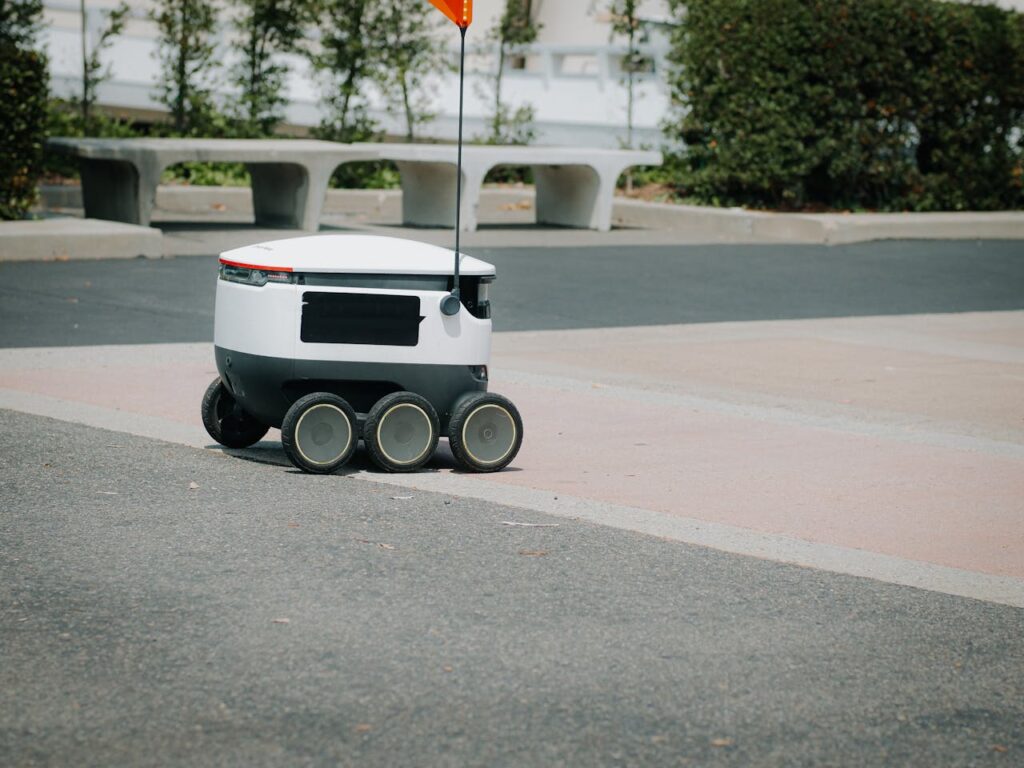
Robots are not just factory arms anymore. They are warehouse systems, surgical assistants, inspection tools, and logistics coordinators.
Deloitte points out a clear pattern:
routine roles decline, but engineering, robotics, and system integration roles grow.
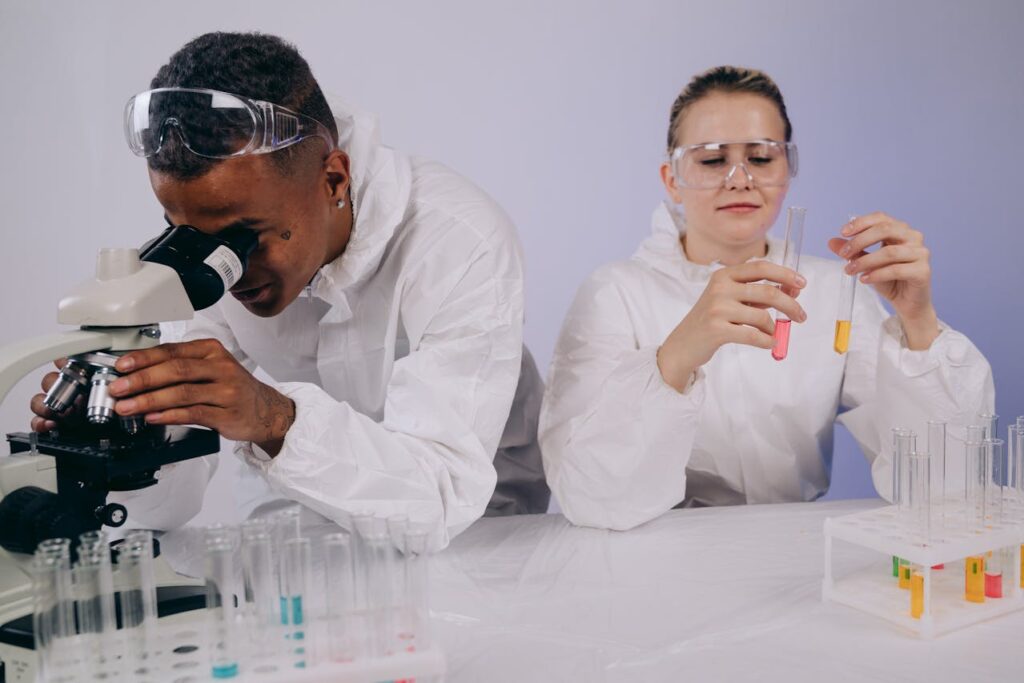
Advances in genetics, bioinformatics, and pharmaceuticals are accelerating. Research institutions like NIH and scientific publishers like Nature Biotechnology consistently show growth in interdisciplinary biology roles.
Medicine is becoming personalized. Biology is becoming computational.
According to the OECD, climate-related professions will form one of the largest employment categories globally.
Energy systems, urban planning, materials science, and environmental engineering are no longer niche fields. They are becoming core infrastructure roles.
This is not speculation. These roles already exist in early form.
AI Trainer
AI Ethicist
Prompt Engineer
AI Tutor Architect
These roles focus on guiding, supervising, and aligning AI systems with human goals, not just coding them.
VR Simulation Designer
VR Lab Teacher or Facilitator
Virtual Safety Engineer
As training moves into simulation, someone must design, validate, and guide these environments.
Genetic Consultant
Bioinformatics Specialist
Personalized Medicine Engineer
Healthcare is shifting from general treatment to individual biological profiles.
Renewable Energy Technician
Urban Climate Analyst
These roles combine engineering with environmental systems thinking.
AI-Powered Tutor Designer
Education Data Analyst
Experience Designer for Schools
Education itself is becoming a design and analytics problem, not just content delivery.
This is not about fear. It is about honesty.
cashiers
call center operators
basic clerical office roles
These functions are already being automated.
Teacher becomes facilitator, mentor, and learning analyst
Doctor becomes a diagnostician supported by AI systems
Engineer becomes a digital systems integrator
The profession stays. The daily work changes.
A profession is a shell. Skills are the engine.
critical thinking
scientific literacy
mathematical modeling
OECD PISA results show these skills predict adaptability better than subject memorization.
AI literacy
VR and AR literacy
UNESCO emphasizes that understanding technology is now a form of basic literacy.
communication
collaboration
leadership
emotional intelligence
Deloitte highlights these as decisive in hybrid workplaces.
Preparation does not mean more homework. It means better environments.
VR allows students to safely experience future roles before choosing them.
XReady Lab career packages are built around this idea:
Future Doctor
Future Engineer
Future Biotechnologist
Future Radiology Technician
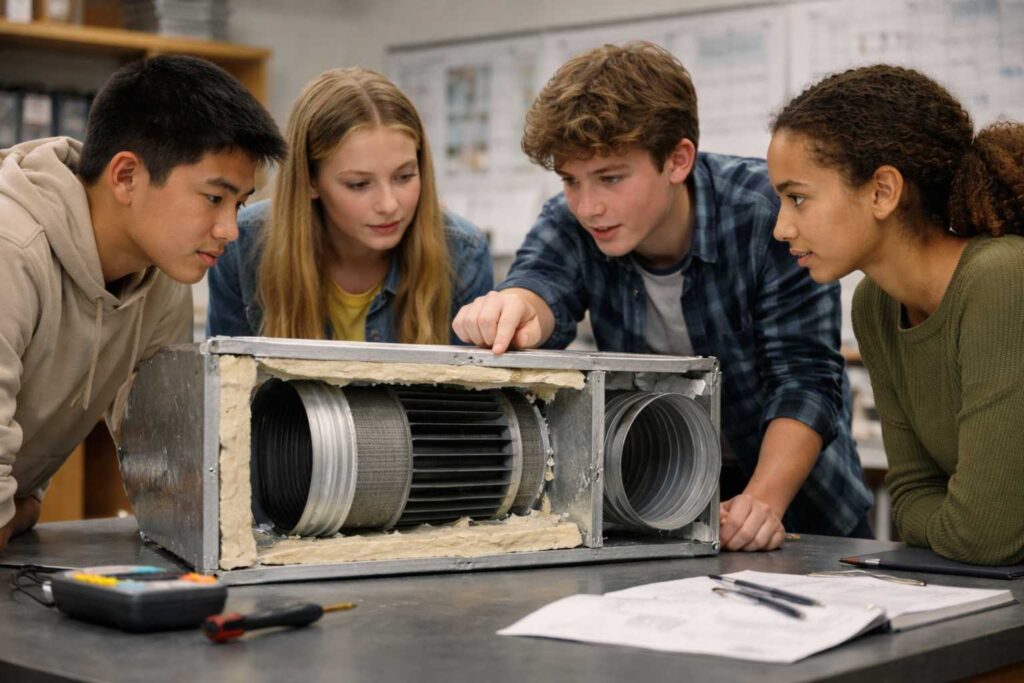
Future HVAC Engineer
Each package builds foundational thinking skills rather than narrow job training.
UNESCO highlights AI tutors as support tools, not replacements for teachers. They help students learn at their own pace and reduce anxiety.
OECD research consistently shows that projects improve retention, motivation, and transfer of knowledge to real situations.
Here is the key idea that connects both articles:
A profession is just a label. Skills give you a real advantage.
In the next article, we will talk about how skill requirements will change, and why learning how to learn will matter more than choosing the perfect job title.
Children growing up today will live in a hybrid professional world.
They will change careers. They will combine roles. They will experiment.
Failure will not be a deviation. It will be part of the process.
The task of schools is not to predict the future perfectly.
It is to create an environment where students are not afraid of change, technology, or reinvention.
And that is where real preparation begins.
Q: Why should schools talk about the job market now, not later?
Because waiting means preparing students for a world that no longer exists.
Q: Are we talking about distant science fiction?
No. We are talking about changes already happening and accelerating.
Q: Is this about replacing teachers with AI?
No. It is about redefining what preparation actually means.
Frequently Asked
XReady Lab offers the largest K–12 STEM VR and Web/PC library with an AI Tutor. The packages include biology, physics, chemistry, and math, covering topics from primary school through high school.
All content is designed to align with major curricula and deliver engaging, interactive learning experiences. New simulations are added monthly.
XReady Lab’s simulations are aligned with IB, Cambridge IGCSE, AS & A Levels, NGSS, College Board, Common Core, TEKS, CBSE, BNCC, the National Curriculum for England, the Italian secondary school curriculum (Scuola Secondaria), and the National Curriculum of the Netherlands (VMBO, HAVO, VWO).
Career Packs are VR simulation bundles that let students explore STEM careers in practice. Current packs include: Future Doctor, Future Nurse, Future Engineer, Future HVAC Engineer, Future Biotechnologist, Future Astronomer, Future Neuroscientist.
New Career Packs are added regularly.
XReady Lab Superhuman AI Tutor works like a real tutor, guiding students step by step instead of giving ready-made answers. It focuses on reasoning, problem-solving, and explaining mistakes to build real understanding.
Created by international STEM Olympiad winners and coaches, it helps prepare for exams, increases memory retention by 40%, and works in real time in both VR and desktop formats with an internet connection.
XReady Lab packages include complimentary teacher training and ready-to-use Lesson Plans and Engagement Playbooks to support engaging lessons.
They guide teachers in integrating VR/web/PC simulations with clear objectives, step-by-step instructions, classroom management strategies, reflection activities, assessments, and technical checklists — helping teachers run effective lessons beyond the simulations themselves.
Simply fill out the free demo form here to get access to demo XReady Lab simulations.
We start with consultation: our team helps plan the VR classroom for your school. You need internet access and a suitable room — allocate about 5 x 5 feet (1.5 x 1.5 m) per student. One headset per two students works well.
Devices and licenses: schools can use existing Meta Quest or Pico devices and purchase licenses, or we can offer discounted devices or a turnkey solution with pre-installed content.
After purchase, we guide device setup and content installation and provide teacher training.
Teachers learn how to run VR lessons using Lesson Plans and Engagement Playbooks, manage screen casting and paired learning, and keep students engaged.
Ongoing support is always available.
VR lessons typically last 5–15 minutes, depending on the simulation, with a recommended class size of up to 20 students. Screen casting is supported and compatible with selected teacher management systems, allowing teachers to launch simulations remotely, monitor progress, and view all devices during lessons.
Teachers are supported with Lesson Plans and Engagement Playbooks that include learning objectives, step-by-step lesson flow, classroom scenarios, reflection questions, practical assignments, and assessment guidance.
XReady Lab is available worldwide and supports 75+ languages. Today, it is used by 800+ schools and 150,000+ students across the globe.
XReady Lab simulations are offered through flexible licensing packages, depending on the format and subjects you need:
If you already have VR headsets, you only purchase licenses. If not, we can also help you choose the most cost-effective setup and licensing model for your school or family.
XReady Lab works with the most widely used standalone VR headsets in schools:
All supported devices are standalone (no PC required), making them easy to deploy and manage in a school environment.
Yes. XReady Lab supports open ecosystems, not closed platforms. Schools can freely use third-party VR content alongside XReady Lab on Meta Quest and PICO headsets.
We encourage schools to diversify their VR classrooms with high-quality educational apps and can recommend tested solutions, helping expand learning beyond STEM into subjects like design, history, environmental studies, and soft skills.
XReady Lab follows school VR safety best practices. VR is recommended for students 10–12+, with short 5–15 minute sessions and seated or safe-zone use under teacher supervision, supported by screen casting.
First-time users adapt gradually. Students with medical conditions require parental and school approval, and hygiene is ensured through regular headset cleaning and replaceable face covers.
Families can access XReady Lab simulations at home in two ways:
