Inclusive education isn’t just about placing students with different needs in the same classroom. It’s about giving each learner the right resources, personalized support, and creative freedom to thrive – regardless of any challenges they face. By blending empathetic teaching methods with modern tools, teachers can build classrooms where everyone feels valued, engaged, and successful.

Education is supposed to be the great equalizer, yet many students still struggle because of physical, cognitive, or emotional barriers. When we focus on inclusion, we commit to making sure every learner has the opportunity to shine. This mindset not only boosts academic performance but also nurtures a culture of empathy and belonging.
In many schools, even well-intended strategies fall short if they don’t address each student’s unique circumstances. Without flexible methods, some learners remain on the sidelines, unable to fully participate. Inclusive education flips the script by centering on adaptability, whether that means using technology to support a child with mobility issues or modifying lesson pacing for someone who needs extra time.
For students who require alternative teaching styles, old-school lectures and pen-and-paper tasks often don’t cut it. That’s where a bit of fun and creativity can work wonders. Teachers can blend imaginative techniques – like role playing, group challenges, or hands-on experiments – to ignite curiosity and keep energy levels high.
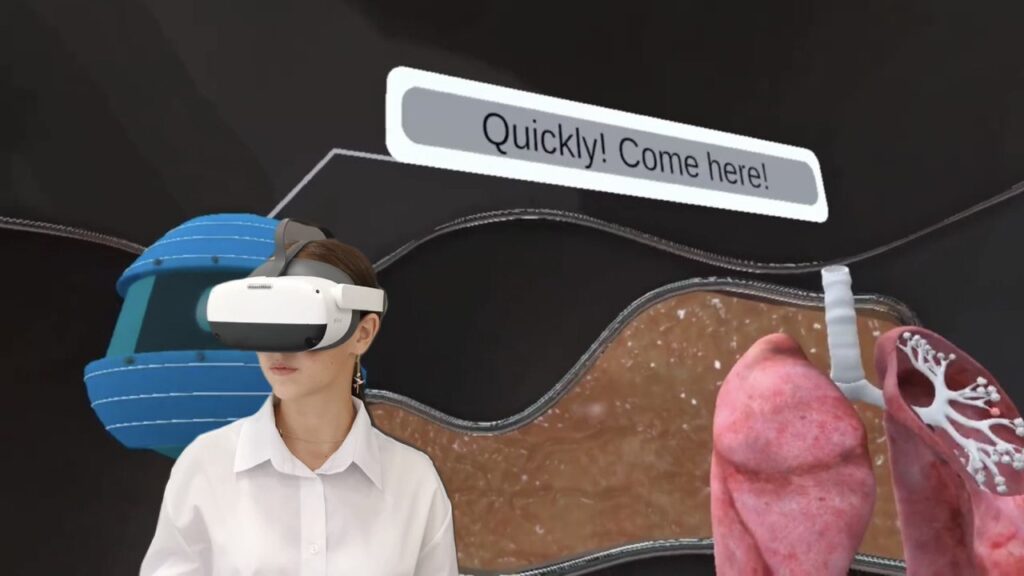
Today’s educational technologies create spaces that allow all students to engage on equal terms. With a digital classroom, for instance, we can transcend standard textbooks and rigid diagrams.
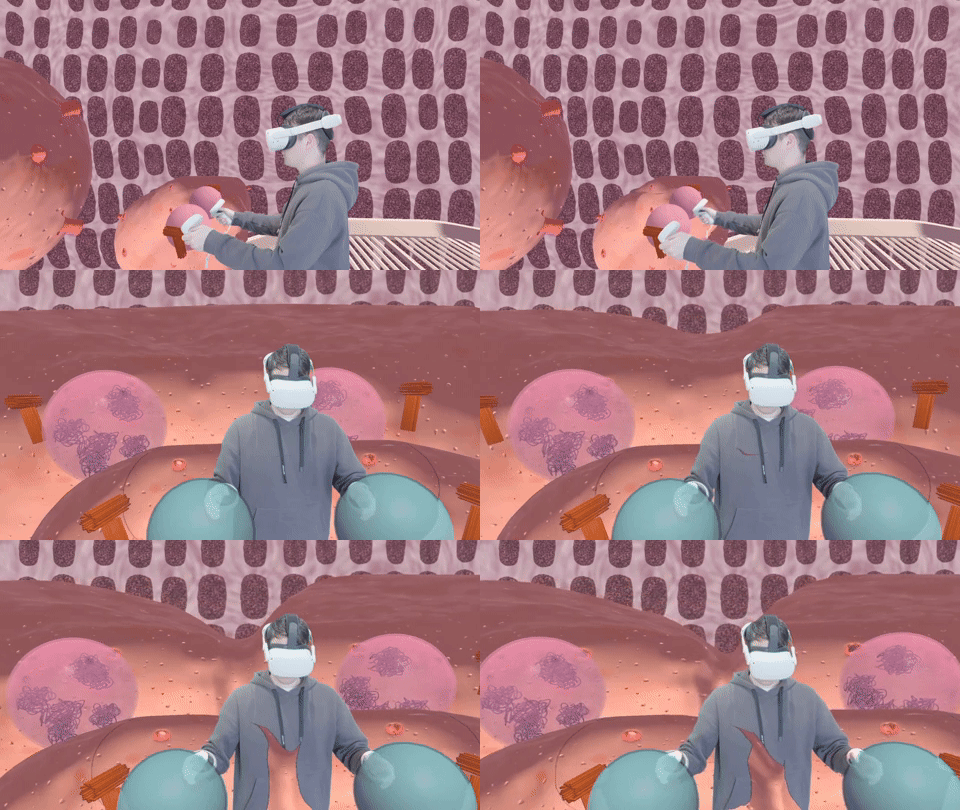
One particularly exciting approach is the use of immersive technology – especially for older students who might need something beyond playful role-play. Properly designed virtual experiences can support both academic learning and social-emotional development.
At XReady Lab, we specialize in crafting flexible modules that teachers can adapt for different learners. Imagine a high-school student who wants to explore advanced subjects in a more dynamic format or a middle-school class eager for collaborative projects. We provide immersive, hands-on experiences that level the playing field for everyone involved.

Though we’re not special-education experts, we’ve seen how adaptability in digital platforms can make a real difference. Our focus is on fun, inclusive content that encourages every student to get involved, regardless of physical or learning challenges.
Embracing inclusivity is a team effort:
Some fear that high-tech solutions might isolate students or be too complicated. However, practical evidence shows that thoughtful use of interactive platforms can significantly boost motivation and reduce dropout rates. Plus, the excitement of exploring new tools often brings learners together, creating supportive interactions rather than isolating anyone.
Inclusive education opens doors for all students, ensuring that no one is left behind. It replaces frustration with hope, stagnation with growth, and limitation with potential. The future points to a blended model – part human empathy, part innovative technology – creating a fluid, responsive learning environment.
Teachers become facilitators who guide exploration, while students build confidence through immersive and interactive classroom experiences. Real progress emerges when we merge compassion, well-crafted materials, and adaptive tools so every student can succeed.
By championing an inclusive mindset, schools give every learner the opportunity to thrive – regardless of physical, cognitive, or emotional barriers. This approach fosters a sense of community, empathy, and trust among students and teachers alike.
At XReady Lab, we recognize that forward-thinking methods can profoundly transform school culture. With creative solutions, well-equipped educators, and the willingness to adapt, we can usher in a future where every child feels empowered to learn and grow, side by side with their peers.
Frequently Asked
XReady Lab offers the largest K–12 STEM VR and Web/PC library with an AI Tutor. The packages include biology, physics, chemistry, and math, covering topics from primary school through high school.
All content is designed to align with major curricula and deliver engaging, interactive learning experiences. New simulations are added monthly.
XReady Lab’s simulations are aligned with IB, Cambridge IGCSE, AS & A Levels, NGSS, College Board, Common Core, TEKS, CBSE, BNCC, the National Curriculum for England, the Italian secondary school curriculum (Scuola Secondaria), and the National Curriculum of the Netherlands (VMBO, HAVO, VWO).
Career Packs are VR simulation bundles that let students explore STEM careers in practice. Current packs include: Future Doctor, Future Nurse, Future Engineer, Future HVAC Engineer, Future Biotechnologist, Future Astronomer, Future Neuroscientist.
New Career Packs are added regularly.
XReady Lab Superhuman AI Tutor works like a real tutor, guiding students step by step instead of giving ready-made answers. It focuses on reasoning, problem-solving, and explaining mistakes to build real understanding.
Created by international STEM Olympiad winners and coaches, it helps prepare for exams, increases memory retention by 40%, and works in real time in both VR and desktop formats with an internet connection.
XReady Lab packages include complimentary teacher training and ready-to-use Lesson Plans and Engagement Playbooks to support engaging lessons.
They guide teachers in integrating VR/web/PC simulations with clear objectives, step-by-step instructions, classroom management strategies, reflection activities, assessments, and technical checklists — helping teachers run effective lessons beyond the simulations themselves.
Simply fill out the free demo form here to get access to demo XReady Lab simulations.
We start with consultation: our team helps plan the VR classroom for your school. You need internet access and a suitable room — allocate about 5 x 5 feet (1.5 x 1.5 m) per student. One headset per two students works well.
Devices and licenses: schools can use existing Meta Quest or Pico devices and purchase licenses, or we can offer discounted devices or a turnkey solution with pre-installed content.
After purchase, we guide device setup and content installation and provide teacher training.
Teachers learn how to run VR lessons using Lesson Plans and Engagement Playbooks, manage screen casting and paired learning, and keep students engaged.
Ongoing support is always available.
VR lessons typically last 5–15 minutes, depending on the simulation, with a recommended class size of up to 20 students. Screen casting is supported and compatible with selected teacher management systems, allowing teachers to launch simulations remotely, monitor progress, and view all devices during lessons.
Teachers are supported with Lesson Plans and Engagement Playbooks that include learning objectives, step-by-step lesson flow, classroom scenarios, reflection questions, practical assignments, and assessment guidance.
XReady Lab is available worldwide and supports 75+ languages. Today, it is used by 800+ schools and 150,000+ students across the globe.
XReady Lab simulations are offered through flexible licensing packages, depending on the format and subjects you need:
If you already have VR headsets, you only purchase licenses. If not, we can also help you choose the most cost-effective setup and licensing model for your school or family.
XReady Lab works with the most widely used standalone VR headsets in schools:
All supported devices are standalone (no PC required), making them easy to deploy and manage in a school environment.
Yes. XReady Lab supports open ecosystems, not closed platforms. Schools can freely use third-party VR content alongside XReady Lab on Meta Quest and PICO headsets.
We encourage schools to diversify their VR classrooms with high-quality educational apps and can recommend tested solutions, helping expand learning beyond STEM into subjects like design, history, environmental studies, and soft skills.
XReady Lab follows school VR safety best practices. VR is recommended for students 10–12+, with short 5–15 minute sessions and seated or safe-zone use under teacher supervision, supported by screen casting.
First-time users adapt gradually. Students with medical conditions require parental and school approval, and hygiene is ensured through regular headset cleaning and replaceable face covers.
Families can access XReady Lab simulations at home in two ways: