menu

7 Real Tricks to Wake Up a Sleepy Class That Actually Work

Q&A: What should I do if my students fall asleep during class?
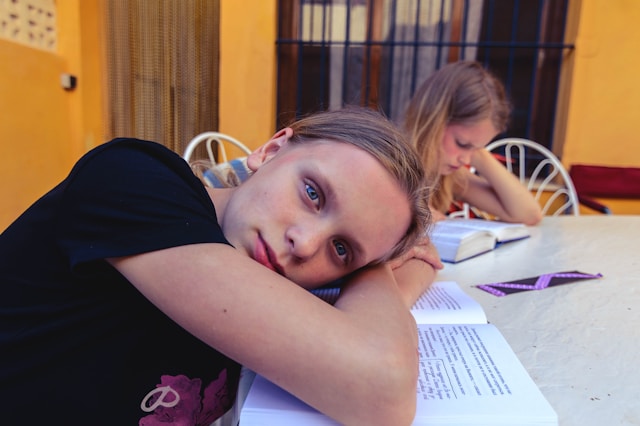
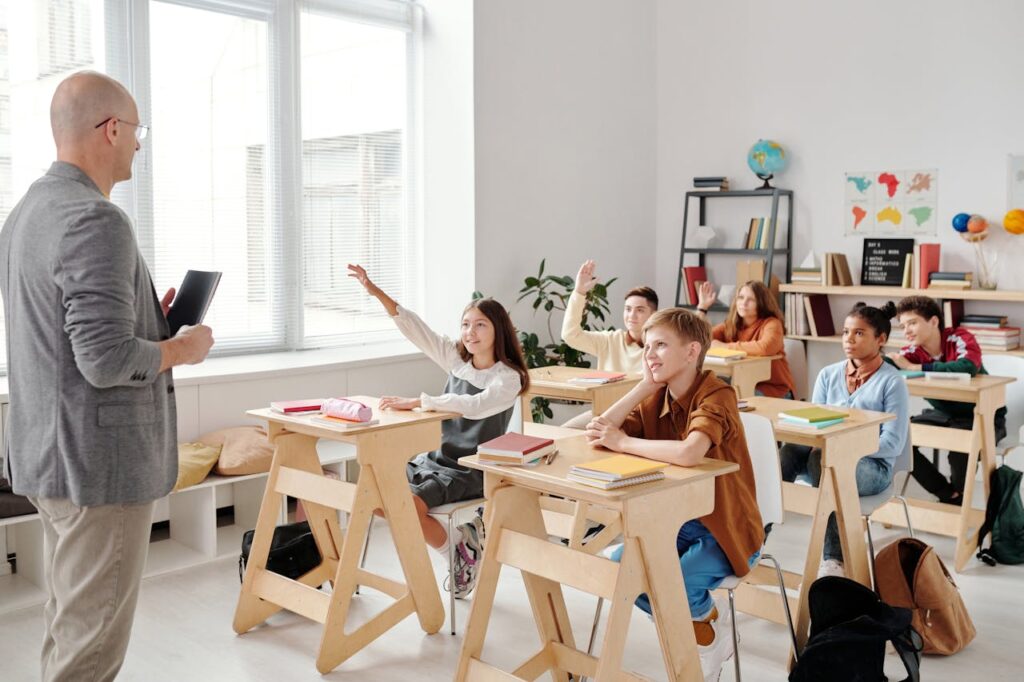
Students often get sleepy not because they don’t care, but because they’re tired, overloaded, or the class energy is too low. The best fix is to change the rhythm, not to scold them. Start your lesson with something curious or unexpected to grab attention. Break the routine every 10–15 minutes with movement, discussion, or quick challenges. Use silence or small surprises to refocus attention. If students seem exhausted, give them a short reset instead of pushing harder. In short, don’t fight the energy – redirect it.

Below are their favorite techniques, tested in real classrooms and ready to use tomorrow.

1. OMAR AL-FAHAD (Saudi Arabia) – Start with Curiosity, Not Content

Omar teaches IGCSE Science in Riyadh and has one rule:

“If they’re bored in the first five minutes, I’ve lost them for the next forty.”

He starts every class with something unexpected – a quick question, a strange video clip, or an odd experiment idea.

  • What would happen if we dropped this phone on Mars?

  • Why does cold water taste different from warm water?

Omar says curiosity wakes the brain better than caffeine. When students start guessing, they’re suddenly engaged.

Try this: Start your next lesson with a puzzle, a surprising image, or a hands-on object. Curiosity beats caffeine every time.

2. LYNDA (California, USA) – Change the Energy Every Ten Minutes

Lynda, a science teacher from California, treats her class like a rhythm.

“Attention has waves. You ride them, or you lose them.”

She divides lessons into short energy blocks: talk for ten minutes, then switch. Discuss, move, or observe something. Even a two-minute stretch or short brainstorm helps.

The key is not constant excitement – it’s movement.

“You don’t have to gamify everything. Just change the energy before it collapses.”

3. FRIEDRICH (Germany) – Silence Is Louder Than Shouting
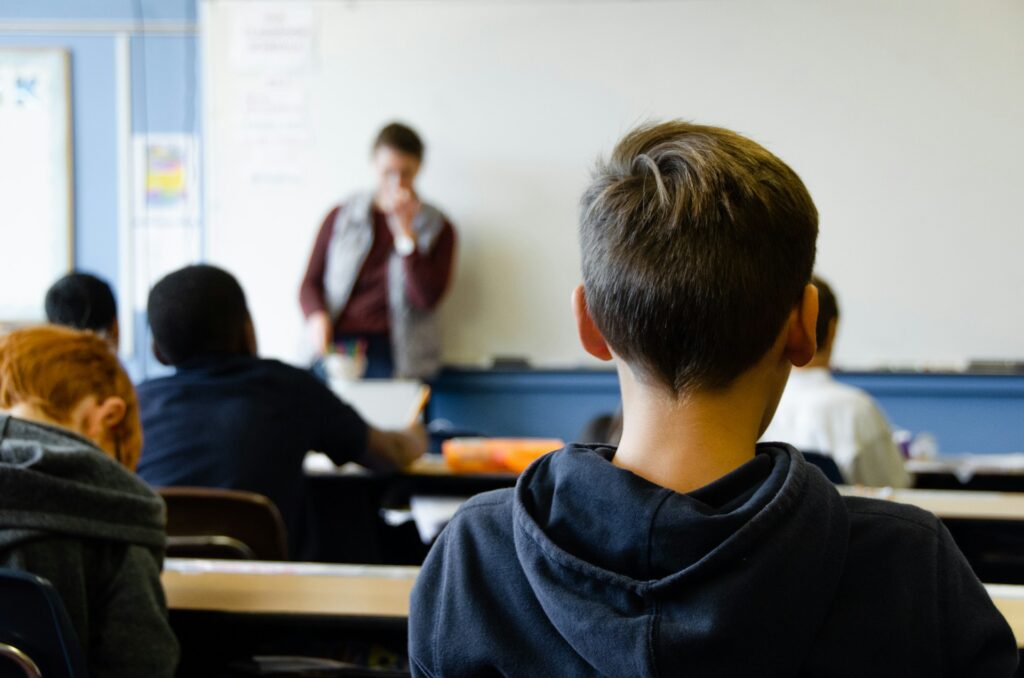
Friedrich, who teaches physics and astronomy in Munich, noticed something unusual. The louder he spoke, the quieter his students became. So he reversed it.

“I stopped talking for fifteen seconds. Total silence. They looked up immediately.”

He uses silence like punctuation. Sometimes he lowers his voice to a whisper or adds a tiny experiment without warning – a spark, a magnet trick, or a ball levitating above a pipe.

“It’s not entertainment. It’s tension. Curiosity wakes people up faster than noise.”

4. PAULA (Spain) – Movement Resets the Brain

Paula, an IB Biology teacher in Madrid, says it’s not laziness when students get sleepy – it’s physiology.

“After twenty minutes sitting still, their brains slow down. It’s just how we’re built.”

Her fix is small movement breaks:

  • Stand up and find a partner.

  • Write one idea on the board.

  • Form a quick circle and share one fact.

Even two minutes of physical change boosts oxygen flow and focus.

“You’ll see laughter, better answers, and suddenly, they’re awake again.”

5. SCOTT (New Mexico, USA) – Use Micro Challenges

Scott teaches middle school STEM. He knows his students love competition, but not in the childish sense. He turns learning into fast, smart challenges.

  • Who can explain this concept faster than me?

  • Who can find the lab mistake first?

  • Quick one-minute quiz race.

“They get sharp, focused, and loud – but in a good way. Even quiet students jump in.”

He adds a funny twist: if students win, they get to ask him one random personal question.

“It keeps them awake and curious about both the subject and the person teaching it.”

6. SAIRA (UAE) – Respect the Energy in the Room

Saira, an IB Biology teacher from Abu Dhabi, doesn’t shame students for feeling tired.

“Sometimes they’re not lazy. They’re overloaded – projects, screens, exams, no sleep.”

Instead of forcing energy, she resets it gently. She dims lights, plays a two-minute calming clip, or leads a quiet mindfulness exercise.

“Once they feel calm, they re-engage. Respect earns focus.”

Her point is simple: tired students don’t need punishment, they need restoration.

7. XREADY LAB – Let Tech Do the Heavy Lifting

Even the best teachers can’t fight fatigue forever. That’s where immersive tech helps.
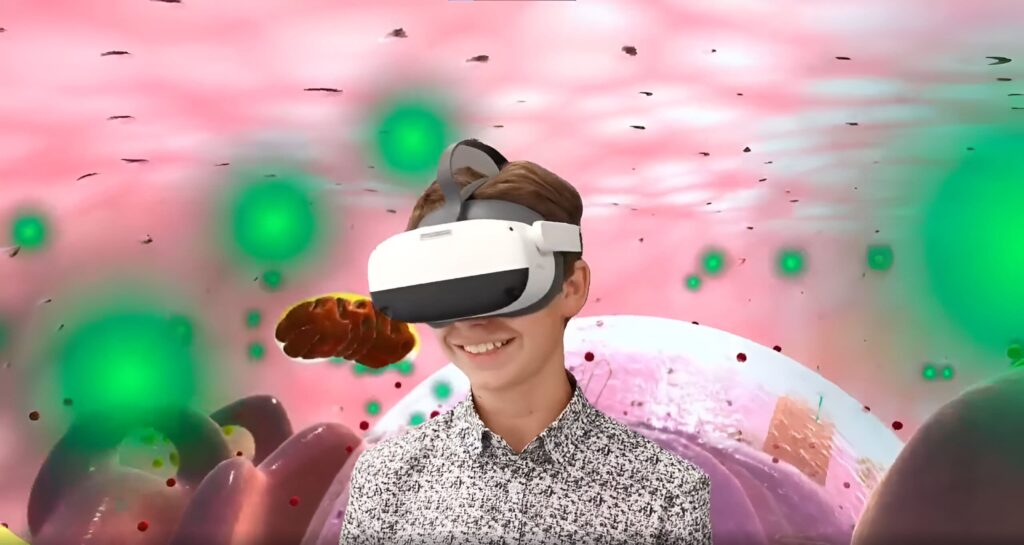
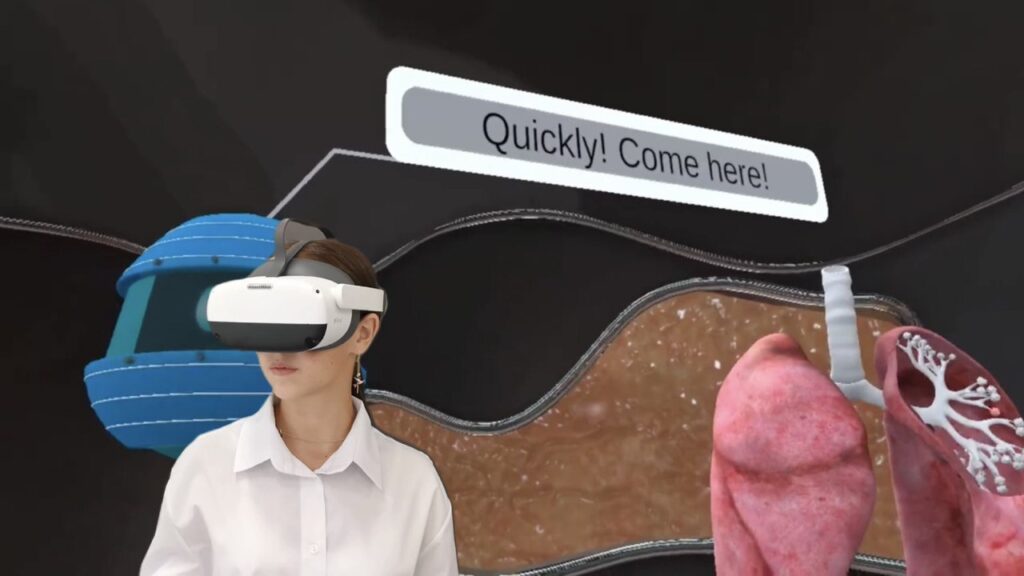
Virtual Reality classrooms from XReady Lab transform passive learning into active discovery. Students explore, interact, and experiment in 3D.

  • Interactive content boosts memory retention by 40 percent

  • Works with Meta Quest and Pico headsets

  • Follows top curriculums: IB, NGSS, Cambridge, College Board, TEKS, CBSE and more

  • Trusted by 800+ schools and 150,000+ students worldwide

👉 Try it for your classroom here: Order a demo of XReady Lab

You’ll see engagement rise within minutes.

And if you want to go further, explore the full catalog of simulations for biology, physics, chemistry, and future career paths like Future Doctor, Future Biotechnologist, and Future Engineer:
https://xreadylab.com/simulations/

Final Thought

Every class is different. What wakes one group may bore another. But the rule is always the same – don’t fight the energy, redirect it.

Once students feel surprised, respected, and involved, they stop dozing off. They start thinking again.

And when that happens, learning becomes real.
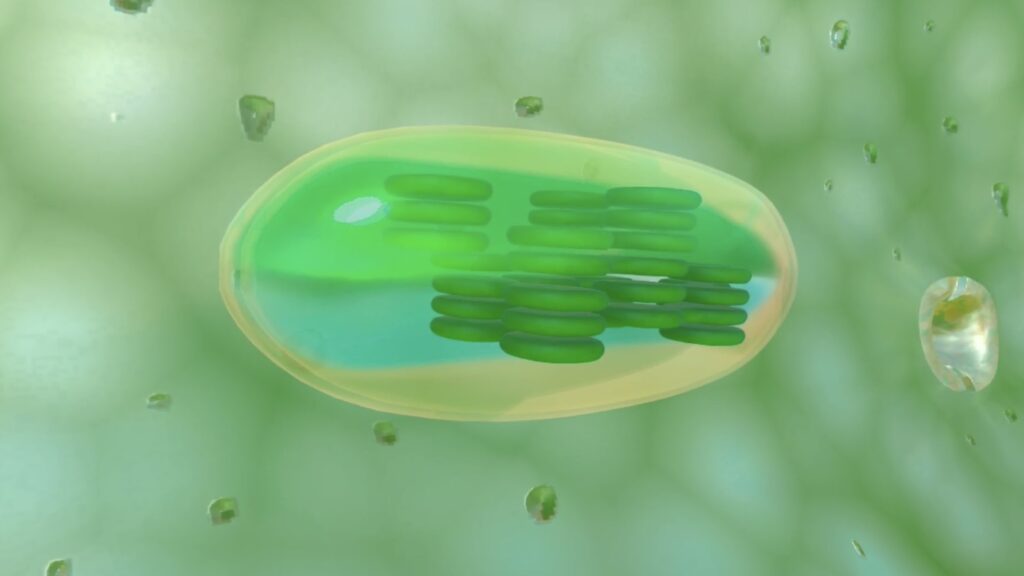
VR Cell: Unleashing the Power of Immersive Biology Lessons

How does virtual reality help students understand plant and animal cells? Virtual reality helps students visualize complex cellular structures in three dimensions. By walking inside a cell, examining organelles up close, and observing cause-and-effect relationships, students develop deeper conceptual understanding and better long-term retention.

In 2026, biology teachers and students alike continue to struggle with one core challenge: understanding the hidden, three-dimensional complexity of cells. Plant cells and animal cells look like simple diagrams in textbooks—circles, squares, and lines—but in reality, these structures are three-dimensional, dynamic, and packed with organelles interacting on the microscopic scale. VR cell experiences from XReady Lab change this narrative, helping learners visualize these vital units of life in a more intuitive, engaging way.

What are VR Cell Simulations at a Glance

– 3D exploration of plant and animal cells
– Curriculum-aligned for global classrooms
– Increased engagement and knowledge retention
– Minimal setup, maximum learning impact

Why VR Cell Experiences Matter for Modern Education

Breaking 2D Barriers

The old approach to cell biology—flicking through static images or peering through a microscope—often doesn’t do justice to the complexity of cellular architecture. In contrast, VR in the classroom opens up a digital environment where students walk inside a vr cell structure, see organelles up close, and understand how they function. This virtual reality education transforms abstract theory into a hands-on journey, making learning more tangible and unforgettable.

Aligned with Worldwide Curricula

Whether you’re teaching the animal cell Cambridge curriculum, plant cell IB, or the plant cell National curriculum in England, XReady Lab’s simulations seamlessly integrate into these standards. With coverage of plant cell Indian curriculum CBSE, plant cell National curriculum of the Netherlands, plant cell Scuola secondaria in Italia, and even plant cell Next-Generation Science Standards, these tools fit a variety of educational systems. Similarly, the animal cell IB or animal cell Scuola secondaria in Italia modules bring global flexibility for your lesson plans.

Better Engagement, Better Retention

In 2026, immersive learning is increasingly combined with AI-supported instruction and inquiry-based teaching. VR cell simulations fit naturally into this shift, allowing educators to guide students through exploration rather than deliver information passively.

Virtual reality in learning capitalizes on active participation. Students do more than just “look” at organelles; they can hold them, fix them, or see what happens when an organelle malfunctions. This interactivity not only sparks excitement but also helps store knowledge in long-term memory. When learners experience a vr inside the cell moment, they develop stronger cognitive links, resulting in deeper comprehension and recall.

Exploring the VR Plant Cell: A New Dimension in Biology

Plant Cell VR Tour

The vr plant cell simulation plunges learners into the fundamental unit of plant life. Instead of struggling with two-dimensional textbook images, students explore a 3D environment:

  • Cell Wall and Membrane: Understand the rigid exterior vs. the flexible boundary.
  • Organelles in Action: From chloroplasts and vacuoles to the nucleus, each structure can be examined up close.
  • Critical Malfunctions: See firsthand how organelle breakdowns affect overall cell health.

Curriculum Alignment

The plant cell Cambridge curriculum, plant cell IB, plant cell National curriculum in England, plant cell Indian curriculum CBSE, plant cell National curriculum of the Netherlands, plant cell Scuola secondaria in Italia, and plant cell Next-Generation Science Standards are all accounted for. By adapting to these varied frameworks, the XReady Lab simulation appeals to classrooms around the globe.

An Engaging Lesson Scenario

Pair up your students and have each team navigate the plant cell vr tour together. Encourage them to note similarities and differences in organelles (especially if you pair it with the animal cell module). After the simulation, host a group discussion about how structures like chloroplasts distinguish plant cells from animal cells, prompting critical thinking and collaborative learning.

Diving into the VR Animal Cell: Understanding Life at a Cellular Level

Animal Cell VR Tour

Like the plant cell, the vr animal cell module expands student insights into mitochondria, the nucleus, the Golgi apparatus, and more. Immersing them in a 3D environment clarifies the role of each organelle in maintaining cellular health.

Curriculum Integration

From the animal cell Cambridge curriculum to animal cell IB, animal cell National curriculum in England, animal cell Indian curriculum CBSE, animal cell National curriculum of the Netherlands, and animal cell Scuola secondaria in Italia, XReady Lab’s simulation covers all major standards. Educators can easily incorporate these experiences into regular lessons or advanced studies.

Encouraging Team-Based Exploration

While one student navigates the animal cell vr tour, the other can take notes on differences from the plant cell. Later, they can swap roles. This hands-on, two-way immersion fosters collaboration and keeps students engaged. Finally, let them compare how various curriculums approach animal cells, reinforcing both knowledge retention and curiosity.

How a VR Cell Simulation Transforms Class Time

  1. Active, Interactive Classroom
    Traditional lessons often leave students passively observing. VR solutions for schools convert that passivity into engagement—interactive classroom activities that keep learners motivated.
  2. Fewer Setup Hassles
    A digital classroom focusing on VR education means fewer lab materials, no messy chemicals, and less time spent prepping. Educators can invest their energy in technology in education that fosters higher-level thinking.
  3. Cross-Curricular Benefits
    VR biology is only the start. Schools can explore VR physics or VR chemistry for a well-rounded STEM lab approach, bridging multiple disciplines in one immersive environment.
  4. Career Inspiration
    Young minds exposed to vr cell experiences may spark an interest in biology, medicine, or biotechnology, fueling a lifelong passion.

Request a Free Demo: Dive into the VR Cell Today

Ready to transform your STEM lab? Try out XReady Lab’s VR plant cell or animal cell vr tour on Meta Quest or Pico to see exactly how virtual reality learning can revolutionize the way students perceive cell structure and function.

Request Your Free Demo

Experience how an interactive classroom environment, powered by VR education, can elevate lessons from passive to participatory. Let your students step inside a cell, manipulate organelles, and develop a deep, intuitive grasp of biology.

Used in real classrooms worldwide, XReady Lab’s VR cell simulations support both introductory biology lessons and advanced cellular analysis.

Unlocking the Future of Learning

In a world where many academic subjects remain theoretical and intangible, vr inside the cell experiences stand out for their ability to turn abstract concepts into tangible adventures. By combining VR in schools with a forward-thinking approach, teachers can bridge gaps in understanding, re-energize STEM interest, and set a new standard for what a digital classroom can achieve.

Explore XReady Lab’s commitment to VR for education and watch how quickly your students adopt a love for biology. From comparative lessons on plant and animal cells to advanced discussions on organelle functions, vr cell structure simulations open doors to deeper learning, higher engagement, and a modern vision of scientific exploration.

Brief Q/A:

What is a VR cell simulation in biology education?

A VR cell simulation is an immersive 3D learning experience that allows students to explore plant and animal cells from the inside. Instead of flat diagrams, learners can interact with organelles, observe their functions, and understand how cellular systems work together in real time.

Are VR cell simulations aligned with school curricula?

Yes. VR cell simulations from XReady Lab are aligned with major international curricula, including Cambridge, IB, CBSE, National Curriculum for England, NGSS, and many more. This allows teachers to integrate VR seamlessly into existing lesson plans.

Is VR effective for biology learning in middle and high school?

Research and classroom practice show that VR increases student engagement, motivation, and comprehension in biology. Interactive experiences activate multiple learning channels, making abstract topics like cell structure easier to grasp for middle and high school students.

What equipment is needed to use VR cell simulations in schools?

Most VR cell simulations run on standalone headsets such as Meta Quest or Pico. No laboratory materials or complex setup is required, making VR an accessible option for modern classrooms.

Elon Musk’s Innovative Approach to Education: Revolutionizing Schools with Hands-On Learning

Update (2026): This article was originally published in late 2024 and updated in 2026. The “Department of Government Efficiency (DOGE)” was announced as an advisory initiative tied to government-efficiency reforms with an initial timeline connected to America’s 250th anniversary in July 2026. Reports in 2025 also indicated leadership changes and questions around the initiative’s continuity and structure.

Did Elon Musk create a school?

Yes. Musk co-founded Ad Astra in 2014 as an experimental school model focused on collaborative problem-solving and project-based learning.

What is Ad Astra (and Astra Nova) known for?

It’s known for “first principles” style learning: solving complex problems, interdisciplinary projects, and minimizing traditional testing in favor of applied outcomes.

What can schools learn from Musk’s education philosophy in 2026?

The practical takeaway is not copying a private model, but applying its principles: hands-on projects, real-world problem framing, and technology-enabled visualization (including VR) to make abstract concepts tangible.

Introduction

In late 2024, a government-efficiency initiative widely referred to as “DOGE” was announced, with Elon Musk positioned as a high-profile figure around the concept. By 2026, the bigger question is no longer the political headline — it’s what Musk’s “first principles” mindset looks like when applied to real systems, including education.

Musk’s appointment signals his growing influence in public affairs, underscored by his support for Trump’s 2024 presidential campaign. While some hail his involvement as a step toward leveraging private-sector expertise for governmental efficiency, others raise concerns about potential conflicts of interest due to Musk’s leadership of companies like SpaceX and Tesla, both of which hold substantial government contracts.

Amid these developments, attention has also turned to Musk’s transformative efforts in another sphere: education. Could his philosophies and initiatives reshape not only the efficiency of governance but also the very fabric of the U.S. education system?

What Changed Since 2024

– The public conversation shifted from “new school experiments” to scalable learning models
– AI and immersive learning became more mainstream in classrooms
– The key debate in 2026: engagement vs. learning outcomes — and how to design tools that support real thinking

Ad Astra: A School Designed for the Future

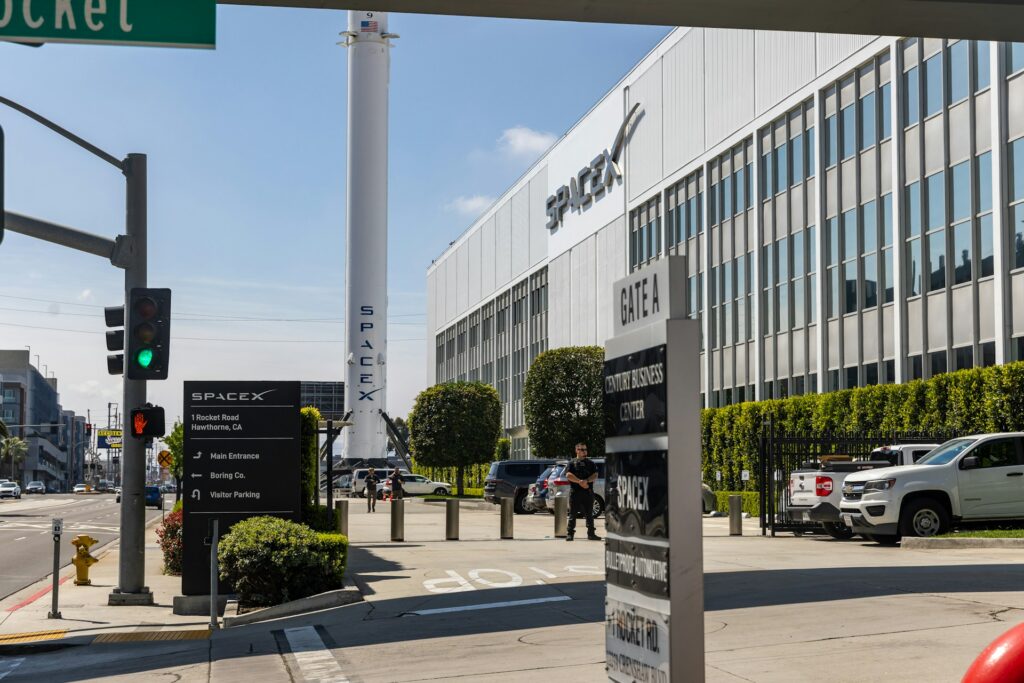
In 2014, Elon Musk co-founded Ad Astra School in California, initially created to educate his own children and those of SpaceX employees.

Ad Astra started as an experimental school on SpaceX’s Hawthorne campus. After 2020, the model evolved: parts of the approach continued through projects like Astra Nova, extending “problem-first” learning beyond the original small cohort.

Spacex, Hawthorne, CA, USA

The school represents Musk’s vision of what education should be—innovative, adaptable, and aligned with the demands of the modern world.

Key Features of Astra Nova (the evolved continuation of the Ad Astra model)

  • Project-Based Learning: Students engage in complex projects that integrate multiple disciplines, fostering a deeper understanding of the material.
  • STEM Focus: Emphasis on science, technology, engineering, and mathematics prepares students for future careers in high-demand fields.
  • Critical Thinking and Problem-Solving: The curriculum is designed to develop these essential skills, encouraging students to think independently.
  • Minimal Traditional Testing: Instead of standard exams, assessment is based on students’ ability to apply knowledge in practical situations.
  • Customized Learning Paths: Recognizing that each student is unique, the school tailors education to individual strengths and interests.

Expanding the Vision: Plans for New Educational Ventures

While Ad Astra began as a small, private initiative, the success of its innovative approach has sparked interest in expanding this model.

There have been multiple discussions and experiments around extending the model and opening additional schools that adopt similar philosophies, potentially bringing this revolutionary form of education to more students.

Emphasis on Practical Skills

Musk’s educational philosophy aligns with the idea that learning should feel like a video game—engaging, interactive, and rewarding. By focusing on practical applications of knowledge, students remain motivated and can see the real-world impact of their studies.

The Impact on STEM Education

Elon Musk’s influence on US education, particularly in STEM fields, is significant. His schools prioritize:

  • Hands-On Experience: Students learn by doing, which reinforces theoretical knowledge through practical application.
  • Cutting-Edge Technology: Immersive tools like VR labs can turn abstract STEM concepts into manipulable experiences.
  • Collaboration and Innovation: Encouraging teamwork and creative problem-solving prepares students for modern work environments.

This approach addresses the declining interest in STEM subjects among students. By making learning engaging and relevant, Musk’s educational initiatives aim to cultivate the next generation of innovators and problem-solvers.

For more insights on reviving interest in STEM through innovative methods, you can read our article on Why Interest in STEM Declines and How VR Revives It.

Aligning with Modern Educational Needs

The traditional education system has been criticized for not keeping pace with the rapid changes in society and technology. Musk’s schools aim to bridge this gap by:

  • Integrating Technology: Utilizing tools like VR learning and interactive platforms to enhance the educational experience.
  • Focusing on Mental Health: Recognizing the importance of student well-being in the learning process.
  • Preparing for Future Careers: Equipping students with skills relevant to the evolving job market.

This philosophy echoes the ideas discussed in our article on Redefining Fun: Balancing Mental Health and Academic Success with VR Education, highlighting the importance of adapting education to meet contemporary challenges.

The Role of Virtual Reality in Educational Model

XReady Lab VR education: VR laboratory

Virtual reality (VR) plays a crucial role in modernizing education. By incorporating VR in the classroom, students can:

  • Experience Immersive Learning: Dive into interactive environments that enhance understanding and retention.
  • Engage with Complex Concepts: Visualize and manipulate abstract ideas in subjects like VR biology, VR physics, and VR chemistry.
  • Develop Technical Skills: Gain familiarity with technology that is increasingly important in various industries.

The use of VR education aligns with Musk’s emphasis on hands-on, technology-driven learning, preparing students for a future where such skills are essential.

Challenges and Considerations

While Musk’s innovative approach has many supporters, it’s important to consider potential challenges:

  • Scalability: Expanding this model to a larger scale may present logistical and financial hurdles.
  • Accessibility: Ensuring that students from diverse backgrounds have access to these educational opportunities is crucial.
  • Balancing Curriculum: Integrating traditional subjects like literacy with STEM-focused, project-based learning requires careful planning.

Conclusion: Shaping the Future of Education

Elon Musk’s involvement in education represents a significant shift towards integrating technology and practical skills into the learning process. His initiatives challenge the status quo, pushing for an educational system that is dynamic, engaging, and aligned with the needs of the modern world.

By focusing on hands-on learning and embracing tools like virtual reality, Musk is not only influencing how students learn but also inspiring educators and policymakers to rethink education. His approach underscores the importance of preparing students for a rapidly changing future, where innovation and adaptability are key.

Screen Free STEM Fun at Home: MEL Science and CrunchLabs Kits Parents Swear By

What are the best screen-free STEM activities for kids?

For most families, the best screen-free STEM kits are MEL Science and CrunchLabs. MEL Science focuses on hands-on chemistry and physics experiments with real lab tools, while CrunchLabs teaches engineering and mechanics through build-and-play projects.

Are STEM kits really screen-free?

Yes. Both MEL Science and CrunchLabs can be used fully offline with printed instructions. Optional apps or videos are available but not required, making them suitable for families limiting screen time.

What age are STEM kits best for?

Most screen-free STEM kits are designed for children aged 8 and up. Younger kids can participate with adult help, especially for chemistry-based experiments.

Introduction

Parents often choose between MEL Science and CrunchLabs. MEL Science delivers monthly chemistry and physics experiments with real lab tools and premium materials, while CrunchLabs sends engineering build projects like disc launchers and gadgets. Both kits come with clear instructions, optional app or video support, and are designed for ages 8+.

MEL Science tends to work best for kids who enjoy lab-style experiments and visible reactions, while CrunchLabs is better suited for children who prefer building, assembling, and mechanical problem-solving.

At XReady Lab we’re building web and virtual reality labs with an AI STEM tutor, but we also love checking out hands-on STEM products for kids. When parents ask us what we recommend for variety and screen-free learning, we often point them to MEL Science and CrunchLabs — real experiments delivered to your doorstep, perfect for keeping curiosity alive without extra screen time.

Hands-on screen free STEM activities and  immersive digital labs don’t compete — together they help kids build both tactile intuition and conceptual understanding.

MEL Science – Chemistry and Physics You Can Hold in Your Hands

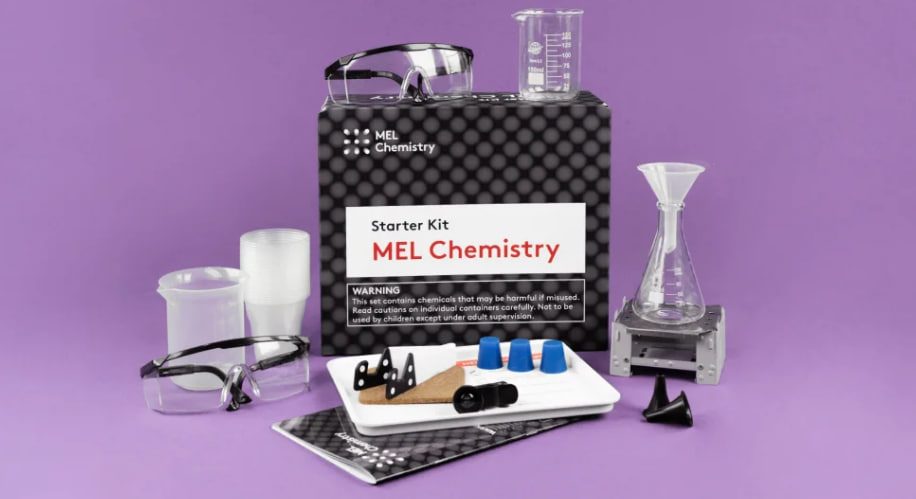
Source: https://melscience.com/US-en/chemistry

MEL Science is designed for children who like to mix, pour, and watch things change right in front of them. Each subscription begins with a starter kit that includes reusable lab gear: beakers, safety goggles, measuring tools, and a tray that keeps the kitchen table safe. Every month after that, a new box arrives with two or three themed experiments and all the chemicals or materials required.

Some popular experiments parents mention include growing metallic “tin hedgehog” crystals, making a sugar snake foam eruption, or testing acids and bases with colorful indicators. Instructions are clear and come in both printed and app versions, so families can stay completely screen free or use the interactive app for extra explanations.

What parents are saying

“My now 8 year old nephew LOVED his STEM kits so much that he was automatically switched to physics kits when he completed all the STEM during year 2. We’ve now signed him up for a 3rd year, doing chemistry. The quality of the materials is really good. His younger sister has kits from another company and you can really tell a difference in the quality!”

“Excellent present for an 8-9 year old curious kid. We have enjoyed building all the models together and reading more about science with my son. It was our father and son time!”

“Highly recommend!! Great customer service that stands behind their products with prompt responses and replacement parts or boxes as needed. My kids rip the boxes open as fast as they come. Great for homeschool education. My son loves the interactive app. My daughter has no interest in the app but loves the easy to follow directions. No disappointed kids here!”

“The only downside is the high cost. Having videos on the app and all supplies included do make it worth it, but it is still expensive.”

Parents consistently praise the quality of the materials, the depth of the science, and the way MEL kits motivate kids to keep learning. The biggest caution is price: these are premium experiments and you can feel it in the subscription fee.

CrunchLabs – Build, Play, and Engineer Like a Pro

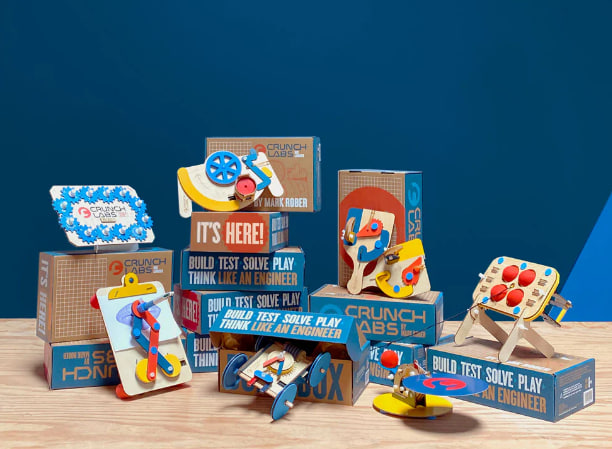
Source: https://www.crunchlabs.com/products/build-box-subscription?

CrunchLabs, created by engineer and YouTuber Mark Rober, focuses on engineering builds that teach physics concepts through play. Each Build Box arrives with every nut, screw, and connector needed to create a working gadget such as disc launchers, mechanical toys, or small machines powered by rubber bands or motors. A paper booklet provides step by step instructions, and there are optional videos if your child enjoys seeing the project explained by Rober himself.

The projects are designed for roughly 8-13 year olds, and many can be built in under an hour. Kids learn about kinetic energy, simple machines, and design thinking while ending up with a toy they can actually use.

What parents are saying

“My son absolutely loved the first build box.”

“My 11 and 8 year old are ecstatic when they got their CrunchLabs box!”

“Disc launcher was a cool first project that my 8 year old could do by himself (other than the rubber bands, which I was happy to help with). We enjoyed learning about kinetic energy on the video! The cord broke the same day he built it, which was disappointing, but we bought it for the project and experience, not long term use.”

“My 10 year old grandson loved his gift and immediately put it together without any difficulty so thank you.”

“Great products. My grandchildren love the monthly Crunch projects and look forward to the arrivals.”

Parents love the excitement these boxes generate and the way kids can often build them independently. Occasional issues like a broken cord or delayed customer support do appear, but the overall verdict is enthusiastic.

Choosing the Right Kit for Your Family

Both MEL Science and CrunchLabs deliver genuine screen free STEM learning, but they scratch different itches:

Feature MEL Science CrunchLabs
Learning style Hands-on science, observation Hands-on building, problem-solving
Focus Chemistry, physics, real chemical reactions Engineering, mechanical builds, kinetic energy
Best age range 8+ (with adult help for younger kids) 8-13
Typical session 30-45 minutes per experiment 30-60 minutes per build
Materials Chemicals, lab equipment, reusable tools Mechanical parts, motors, rubber bands
Screen use Optional app or VR extras Optional instruction videos

For a child fascinated by color changes, bubbling reactions, and real science labs, MEL Science is unbeatable. For a builder who loves gadgets and moving parts, CrunchLabs brings the thrill of engineering to the kitchen table.

Final Thoughts

Screen free STEM time is more than a trend. It is a way to give kids a break from constant digital input while keeping curiosity alive. Kits like MEL Science and CrunchLabs arrive ready to use, with professional grade materials and carefully tested experiments that actually work. Whether your child prefers mixing chemicals or assembling machines, these boxes turn the home into a small but powerful science lab.

Parents call them “excellent presents,” “high quality,” and “worth every penny” because they transform passive learning into something tangible. And that kind of hands on discovery is the best screen break any family could ask for.

In 2026, the most effective learning at home combines curiosity, real materials, and meaningful experiences — not endless screen time.

Top Ideas to Build a Positive Classroom Culture

If you’ve ever walked into a classroom where the energy feels tense, you know that even the best lesson plan won’t work unless the atmosphere is right. The truth is simple: students learn better when they feel safe, respected, and noticed.

But how do you actually create that kind of environment? Rules alone won’t do it. You can’t force kindness. What you can do is make positivity a habit – something that becomes part of your classroom’s daily rhythm.

Here are some creative, real-world ideas that teachers use to build a healthy, supportive classroom culture in 2025.

1. The “Circle of Compliments”

Once a week, gather the class in a circle and let each student share one positive thing about another classmate. It doesn’t have to be big – it can be “you helped me understand the math problem” or “you’re always kind during group work.”

By the end of the session, everyone has heard something good about themselves. You’ll see how quickly this simple ritual changes the atmosphere. Students start noticing kindness in others, and that awareness spills into the rest of the week.

2. Mission of Good Deeds

At the start of each week, draw a “mission card.” Each card contains a small challenge connected to empathy or teamwork.

For example:

  • “Help someone who forgot their homework.”

  • “Invite a quiet classmate to join your group.”

  • “Write a thank-you note to your teacher or a friend.”

Students love it when the missions sound a bit like a game. You can even create a “Good Deed Wall” where they post what they’ve completed anonymously. By Friday, you’ll see the difference in how they treat each other.

3. The “Kindness Jar”

Keep a transparent jar on your desk. Whenever someone notices a kind action – helping, sharing, encouraging – they write it on a small note and drop it in.

At the end of the month, read the notes aloud (without names). The jar becomes a visual reminder that kindness is constant, not rare.

This works especially well with middle-schoolers, who often crave recognition but rarely get it for small, quiet acts.

4. “Today I Noticed” Routine

Once a week, set aside five minutes for a reflection. Students write one short note that starts with:

  • “Today I noticed…”

It could be about themselves, their classmates, or the day in general.
Examples:

  • “Today I noticed that I didn’t give up even though the task was hard.”

  • “Today I noticed that Alex helped Mia with her presentation.”

You’ll be surprised how many students start paying attention to positive details – not just grades or mistakes.

5. Class Playlist of Positivity

Music can shape mood faster than words. Ask students to submit songs that make them feel confident, calm, or happy (no lyrics with negativity). Use the playlist during creative projects or relaxed moments before class starts.

When students hear “their” songs in class, it builds connection. And when everyone’s songs are there, it sends a subtle message: every voice matters.

6. “Monday Moments”

Mondays are tough for everyone. Make them lighter with a five-minute ritual where students share one good thing from the weekend or one thing they’re looking forward to.

It doesn’t have to be deep – even small joys count. “I had pancakes,” “I finished a book,” or “I played football with my cousin.” The goal is to remind everyone that positivity exists before the first bell even rings.

7. “Wall of Gratitude”

Give each student a small space on a corkboard or whiteboard where they can pin thank-you notes, doodles, or photos. Encourage them to update it every few weeks.

Over time, the wall becomes a snapshot of shared experiences – a living record of kindness, effort, and connection.

8. Compliment Postcards

Every month, let students write one anonymous compliment card to a classmate. It could be something like:

  • “You always make group projects fun.”

  • “You’re really improving in math – keep going!”

  • “You have the best ideas during discussions.”

Distribute the cards at the end of the week. The smiles are worth it.

9. The “One Word” Challenge

Ask each student to describe their week in a single word – then explain why. Words like “busy,” “fun,” “stressful,” “teamwork” often open the door to short but meaningful discussions about feelings and goals.

This exercise helps develop emotional vocabulary, which many students struggle with. Over time, it builds empathy as they learn to see things from each other’s perspective.

10. “Class Values Code”

Instead of writing rules at the start of the year, co-create a values code together.
Ask:

  • What makes us feel respected?

  • What kind of class do we want to be?

  • How do we solve conflicts?

When students participate in defining the culture, they feel responsible for maintaining it. It’s no longer “the teacher’s rules.” It’s our rules.

Why It Works

All these ideas have one thing in common: they turn kindness into a system, not a speech.
You can’t tell students “be kind” and expect it to stick. You have to make kindness visible, measurable, and repeatable.

When a class has a shared rhythm of appreciation, gratitude, and humor, it becomes self-sustaining. Students remind each other, not just the teacher.

And the result?
Less stress. More trust. Better learning.

Because a positive classroom culture isn’t decoration – it’s the foundation for everything that follows.

Why Teachers Matter More Than Ever — and How Virtual-Reality Classrooms Supercharge Their Impact

MOBIO & XReady Lab: A Virtual-Reality Revolution in Missouri Schools

A groundbreaking collaboration between the Missouri Biotechnology Association (MOBIO) and XReady Lab is transforming how high-school students learn science. At Webb City High School, learners are stepping into interactive virtual worlds—far beyond what traditional textbooks or computers can offer. Armed with cutting-edge headsets and controllers, students explore intricate biological processes like protein synthesis, mitosis, and even embryonic development. With only a few weeks before this high-tech gear moves to another school, the young scientists of Webb City are making the most of their immersive adventure.


Inside the Collaboration

MOBIO has supplied two dozen sets of advanced equipment to Webb City High School, marking the start of an exciting new era in STEM lab learning. This initiative opens the door to:

  • Practical Insight
    Rather than memorizing complex theories, students interact directly with digital models of cells, organelles, and tissues.

  • Enhanced Retention
    By gamifying lessons on lung anatomy or cellular-level processes, learners absorb and remember scientific concepts more effectively.

  • Interactive-Classroom Dynamics
    Teachers are finding fresh ways to engage students—replacing static lectures with hands-on experiences that spark deeper interest.

Beyond Biology: Potential for Physics and Chemistry

Although many of the initial lessons focus on biological topics, the same technology can enhance VR physics or VR chemistry classes. Students might soon explore gravitational fields or molecular bonds in a vivid, three-dimensional environment. By stepping virtually into the nucleus of a cell or analyzing gas exchange in simulated lungs, they develop a more holistic view of science—and have fun doing it.

Why Virtual-Reality Education Works

  1. Immersive Experiences
    Traditional lessons can’t replicate a cell’s interior. But in a virtual environment, learners observe processes like mitosis as though they’re right next to the chromosomes.

  2. Hands-On Engagement
    The excitement of interacting with a digital-classroom platform leads to active participation—a critical factor in real knowledge retention.

  3. Better Accessibility
    Providing advanced interactive-classroom activities is no longer confined to elite universities. Even smaller schools can adopt this approach, especially when local organizations partner to fund or supply the gear.

  4. Preparing for the Future
    Fast-changing career paths demand adaptability and curiosity. Introducing high-tech learning early helps students develop these valuable traits.

Student and Teacher Perspectives

According to Mason Williams, one of Webb City’s students, the headsets and controllers make learning genuinely thrilling: “You can move around inside a cell and watch how proteins form. It’s way more interesting than just looking at pictures.” Teachers also report that using virtual reality in education encourages class participation and makes students more eager to discuss what they’ve learned outside of school hours.

The feedback is clear: “It’s fun, engaging, and unique,” says a representative from MOBIO. Integrating immersive technology helps kids see science as a world to explore, rather than a subject to endure.

Sample Simulations and Activities

GAS EXCHANGE

Explore lung anatomy and learn how breathing truly works—from inhalation to cellular-level gas exchange. Gamified elements keep students actively involved, helping them absorb essential biology concepts more effectively. Compatible with Meta Quest, Meta Quest 2, Meta Quest Pro, Pico Neo 3, and Pico 4, this simulation offers adjustable settings to suit different learning objectives. Students discover the specialized surfaces for gas exchange, the processes linking blood and air, and the key components involved in respiration.
View Simulation

MITOSIS


Witness cell division like never before with an immersive VR biology lesson on mitosis. Designed for educators and students, this tool employs vivid visuals and interactive features to clarify each stage of mitotic division—something textbooks alone can’t match. Compatible with Meta Quest, Meta Quest 2, Meta Quest Pro, Pico Neo 3, and Pico 4, the simulation dives into organelle functions, the distinct steps of cell division, and the events unfolding in each phase of mitosis.
View Simulation

A Future-Focused Model

This partnership highlights the benefits of virtual reality in education—from more profound comprehension to heightened enthusiasm for science. It also points to a broader movement, where technology in schools is no longer a luxury but a core part of modern pedagogy.

For Webb City High School, the gear stays only for a few weeks. However, the shift in mindset may remain. Students enrolled in such a high-tech environment gain an advantage when transitioning to college or exploring career paths in biotechnology, healthcare, or engineering.

Ready to Bring Immersive Learning to Your School?

Elevate your STEM curriculum with interactive-classroom activities that engage and inspire. By adding VR biology, VR physics, or other immersive lessons to your daily routine, you can ignite curiosity, reinforce theoretical concepts, and nurture a genuine love for scientific exploration.

Request a Free Demo to see how one VR-classroom setup can transform the way students discover, experiment, and connect with the world of science.

Mastering Communication Soft-Skills: Debate-Ready Games for a Future-Proof Career

The job market rewrites itself every year. Kids who once dreamed of becoming drone pilots or crypto-analysts may find those roles obsolete by the time they graduate, while brand-new titles—metaverse architect, VR-content ethicist—appear out of nowhere. Schools struggle to update fast enough, but one lesson never expires: strong communication. When students can speak with clarity, listen with empathy, and debate from any angle, they thrive no matter how the economy shifts.

Soft-Skills vs. Meta-Skills—Why the Difference Matters

Soft-skills are practical tools—public speaking, active listening, clear writing—that you can train through repetition. Meta-skills are deeper traits—adaptability, resilience, curiosity—that power every other ability. Picture meta-skills as an operating system and soft-skills as the apps. Upgrade the OS, and every app runs smoother. In the classroom, that means pairing debate drills (soft) with reflection exercises that build open-mindedness (meta).

Why Traditional Lessons Leave a Gap

Slides and worksheets rarely demand real-time argument. Teacher-led monologues give one-direction feedback, while modern employers expect rapid dialogue and agile thinking. Curricula updated every few years can’t keep pace with biotech break-throughs or AI-driven roles, yet persuasive language remains evergreen.

Card-Story Challenge: A Communication Game That Builds Instant Team Cohesion

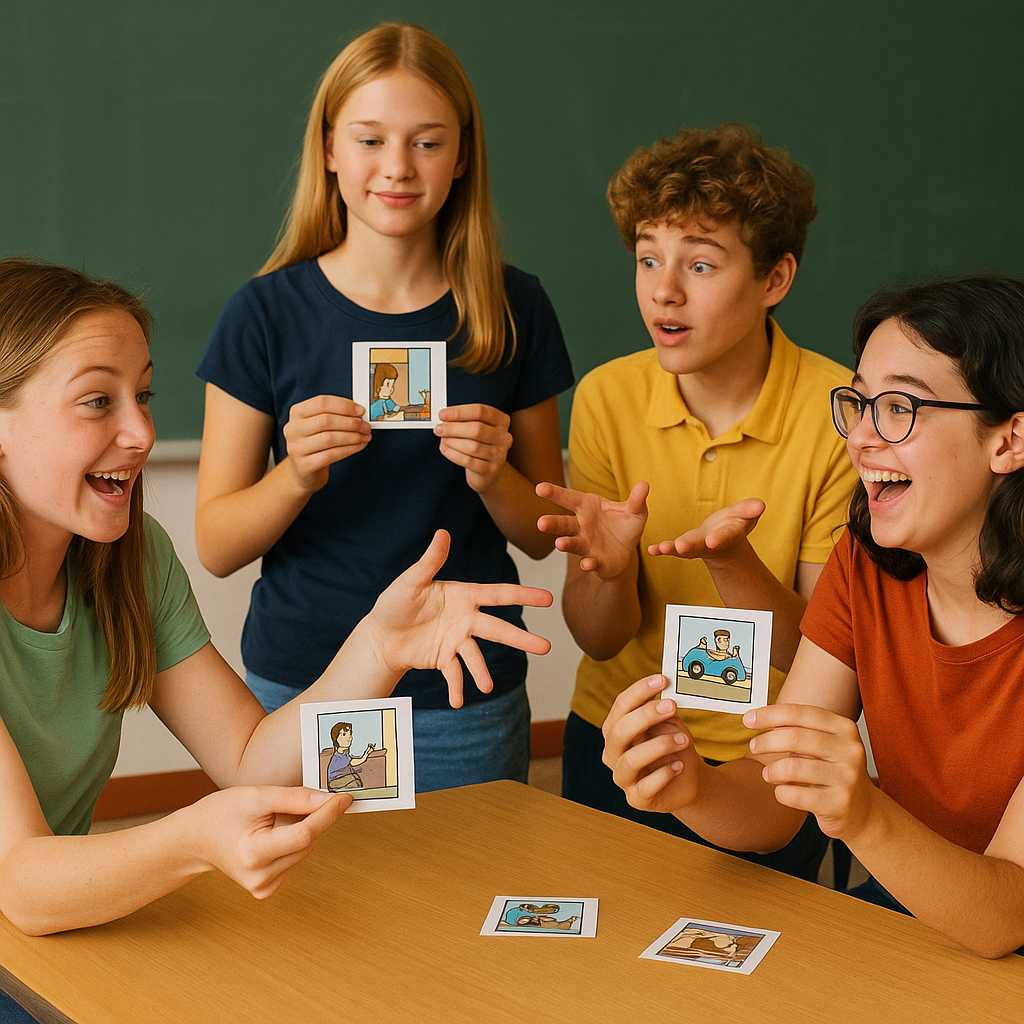
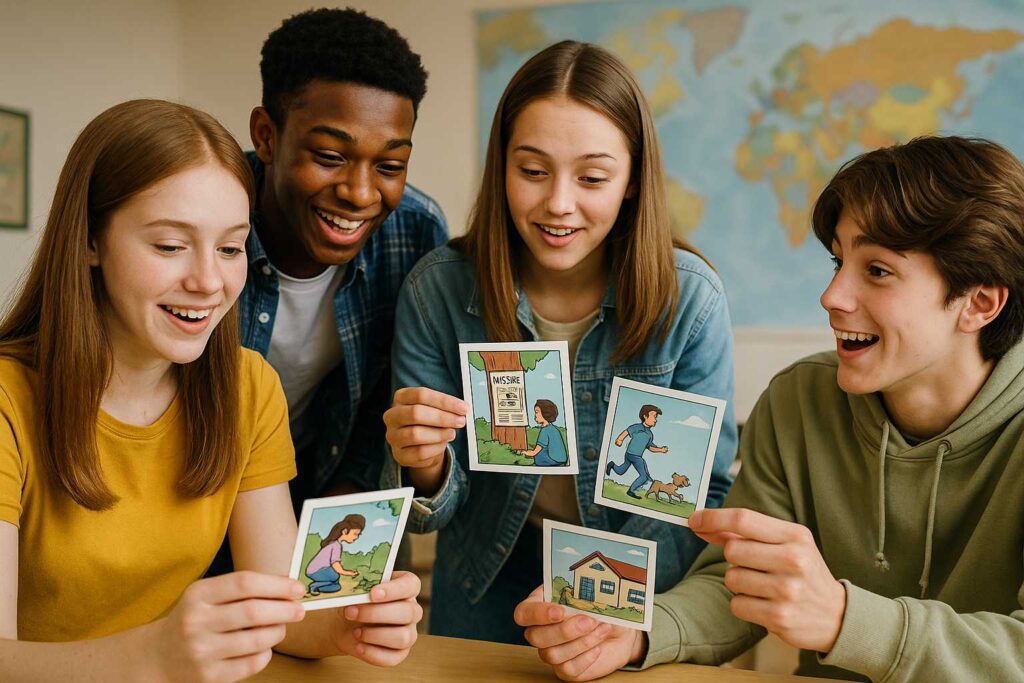
On day one of a new class—or the first session of a summer camp—hand each team a deck of visual story cards that together depict a single narrative (for example, a dog’s adventurous journey home). Shuffle and deal one card per student; no one shows their image.

Objective:
Using blind verbal descriptions only (no peeking, no gestures), teammates must:

  1. Identify who holds the opening scene.

  2. Re-create the entire sequence in correct chronological order.

  3. Physically line up in that order before any card is revealed.

Why It Works:

  • Communication skills: Learners practise concise, vivid language to describe what they see.

  • Active listening: Success hinges on catching small details from peers.

  • Leadership & role allocation: Natural facilitators emerge to organise discussion, but every voice matters.

  • Collaborative logic: Players piece together gaps, test hypotheses, and adapt quickly.

Facilitator’s Role:
Observe without intervening, then lead a five-minute reflection: What communication tactics were most helpful? Who stepped into a leadership role and how? Which moments caused confusion, and what strategies resolved it?

No special deck? Craft your own by:

  • Printing screenshots from a short comic strip.

  • Dividing a single infographic into numbered but unlabelled panels.

  • Inviting students to draw scenes from a familiar tale, then shuffling and exchanging the artwork.

The entire exercise fits a 20-minute block, supercharges classroom rapport, and lays the groundwork for deeper debate activities throughout the term.

Subject-Specific Integrations

  • Biology lesson: After a VR-biology cell-mutation simulation, teams debate CRISPR ethics.
  • Physics class: Use data from a VR-physics gravity sandbox to argue for or against asteroid-mining safety.
  • Chemistry lab: Following a VR-chemistry titration, discuss whether virtual reagents should replace real acids to cut classroom waste.

By embedding debate into core content, teachers reinforce subject knowledge while sharpening communication.

Boosting Impact with Immersive Tech

A single VR-classroom session drops students into a digital court-room or UN assembly hall, tracking tone, timing, and body language. Shy learners rehearse speeches privately; extroverts refine pacing. Because the environment feels authentic, adrenaline rises—improving retention—while the headset’s safe space reduces social anxiety.

Proven Benefits

Schools that embed weekly debate games report:

  • 35 % jump in student-led questions across subjects.
  • 28 % drop in presentation-day absences.
  • Higher essay scores thanks to sharper evidence analysis.

Interactive-classroom activities, especially those powered by VR-learning platforms from innovators like XReady Lab, convert theory into practice and build confidence that transcends any single profession.

Quick Implementation Road-Map

Start with a five-minute debate warm-up each Monday. Rotate roles—moderator, summariser—to expose everyone to varied speaking challenges. Record sessions for self-review, then expand into inter-class tournaments. The goal: turn persuasive communication from a rare assignment into an everyday habit.

Final Takeaway

Coding languages evolve and software versions sunset, but clear speech and empathetic listening never go out of style. Weave debate games, role reversals, and immersive tech into daily lessons now, and you’ll equip Gen-Alpha students with a communication superpower ready for every career curveball ahead.

Children Will Work in Jobs That Don’t Even Exist Yet — How Do We Prepare Them?

In just 150 years, we’ve gone from steam-powered carriages to self-driving electric cars, from rotary telephones to AI-driven devices in our pockets. Yet most classrooms remain stuck in the past—rows of desks facing a board, designed for the Industrial Age. Research suggests that many children today will occupy roles that aren’t even on the radar yet, yet we’re still using an educational model conceived over a century ago.

The Rapid Shift Toward an AI-Powered World

Artificial intelligence is advancing at breakneck speed. While some fear that AI will disrupt job markets and render certain skills obsolete, it’s more accurate to view AI as a tool that handles routine tasks. This means people will increasingly need to focus on higher-level skills—critical thinking, adaptability, and creative problem-solving. Our article on AI in the Classroom: Myths, Reality, and the Future dives deeper into how AI may reshape educational priorities.

Past Versus Future: Is the Traditional System Outdated?

For decades, schools have offered a broad range of subjects—literature, history, physics, music—assuming that a solid foundation in each area is crucial. The question now arises: should we continue this all-encompassing approach, or adjust the curriculum to reflect emerging fields?

  1. The Case for Status Quo
    Many argue that it’s universities’ role to specialize. High schools should remain general, maintaining a base in science, humanities, and the arts.
  2. The Case for Modernization
    Others contend that ignoring rapid changes in society leaves students underprepared. Skills like collaboration, AI literacy, and resilience may be just as crucial as memorizing formulas or historical dates.

Experiments in Education

We’re living in a time when various experimental projects are emerging worldwide. Years from now, we’ll see which models succeed or fail. In the meantime, schools and parents face tough choices, balancing traditional subjects with modern needs. This trial-and-error process can be risky, but there seems to be no simpler path to real progress. Check out our article on how Elon Musk’s educational views challenge the status quo: Elon Musk’s Influence on US Education.

The Importance of Supra-Disciplinary Skills

As repetitive tasks become automated, the workforce will rely on a new set of capabilities. These include:

  • Communication and Teamwork: Working well with diverse teams is already in high demand.
  • Critical Thinking: Future roles will require innovative problem-solving and an analytical mindset.
  • Adaptability: Being able to shift focus as new opportunities—and challenges—arise.
  • AI Literacy: Basic understanding of how artificial intelligence works, even for non-technical positions.

No longer just a “nice to have,” such skills are essential for navigating a world where the only constant is change.

Incorporating Future-Focused Tools into Education

XReady Lab VR education: VR Mitosis laboratory

One emerging trend for enriching learning experiences—especially in science and technology—is immersive simulation. This is where virtual environments come in, offering a sense of play while teaching crucial concepts.

Introducing Immersive Learning

Classrooms can leverage interactive solutions that use advanced simulation techniques, including immersive labs for biology or chemistry. While we focus on designing a dynamic environment, kids can build fundamental skills like problem-solving and curiosity:

  • Building Scientific Mindsets: Engaging simulations get students to question hypotheses and verify results.
  • Encouraging Experimentation: Children see that mistakes are part of exploration, boosting resilience.

Meeting the Needs of the Modern Learner

In a digital era, young people already expect technology to be part of their experiences. Immersive tools resonate more naturally with them, transforming lessons into missions rather than monotonous tasks. By harnessing these tools, schools can better align with the world students are growing up in, preparing them for unpredictable yet exciting futures.

Where Do We Go from Here?

A balanced approach may be best: keep core subjects to ensure cultural and intellectual grounding, but infuse modern skills throughout. Some schools may integrate coding and technology-based electives. Others may introduce design thinking or advanced simulations in labs. Each will experiment and refine, shaping a new education paradigm for tomorrow’s jobs.

  1. Shifting the Mindset
    Teachers can focus on teaching students how to learn and adapt, rather than merely imparting static knowledge.
  2. Leveraging Technology
    Consider blending practical demonstrations with advanced methods. Our article on AI in the Classroom illustrates how artificial intelligence is shifting educational paradigms.
  3. Preparing for the Unknown
    The rise of jobs in data analytics, environmental design, and space tourism show how unpredictable future careers can be. Providing interdisciplinary skills ensures students remain flexible.

How XReady Lab Contributes

XReady Lab VR laboratory: Cell division, Mitosis

At XReady Lab, we craft educational solutions rooted in immersion and hands-on exploration. We believe that combining an updated STEM lab approach with engaging learning experiences can nurture next-generation thinkers. While some fear technology might reduce the need for human input, it instead creates new opportunities for creative minds—those who can imagine how to address needs that don’t yet exist.

By offering dynamic modules in biology or physics, we demonstrate how interactive experiences can inspire deeper engagement. For instance:

  • Inspiring Collaboration: Group-based tasks encourage the exchange of ideas.
  • Fostering Real-World Skills: Learners gain practice in communication, logical thinking, and resilience.
  • Aligning with Emerging Trends: Tools that teach problem-solving now will serve students in a range of future industries.

Conclusion

The world is in constant flux, and so are job markets. Many professions of tomorrow haven’t even been invented yet. To equip children for this reality, we need to evolve educational models. That may mean more technology in the classroom, more emphasis on creative problem-solving, and the acceptance that errors and failures help us learn.

Ultimately, a child’s success will hinge on skills that go beyond rote memorization—communication, empathy, adaptability, and a robust science and technology foundation. As we venture into an era shaped by AI and digital transformation, the only certainty is change. By blending established fundamentals with modern methodologies, we give children the best chance to thrive in roles that are, quite literally, still on the horizon.


At XReady Lab, we’re here to support educators in navigating these changes. Together, let’s shape an education system that grows with the demands of tomorrow’s world.

Mastering Communication & Debate Skills — The Soft-Skill Power-Up Every Gen-Alpha Student Needs

Picture the class of 2035. Some graduates will work in industries that do not yet exist; others will watch today’s “dream jobs” disappear beneath waves of automation. In this climate, students need a transferable toolkit—skills that pivot as quickly as the labour market. At the top of that list sits communication: the art of structuring a clear argument, listening without bias, and sparring respectfully in high-pressure moments. When schools weave debate drills into everyday lessons, they give learners a professional edge that no algorithm can replace.

Why Traditional Lessons Leave a Gap

  • Static content: Slides and worksheets rarely force students to defend an idea in real time.

  • One-direction feedback: Teachers talk; pupils absorb. Employers, meanwhile, demand two-way collaboration and agile thinking.

  • Rapid change: A curriculum updated every few years cannot keep pace with emerging roles in biotech, AI, or immersive-tech marketing—yet persuasive language is evergreen.

Meta-Skills vs. Soft-Skills: The Layered Approach

  • Meta-skills (adaptability, resilience) form a learner’s core operating system.

  • Soft-skills (public speaking, negotiation) are the applications that run on top.
    When meta-skills are strong, students install new soft-skills—like advanced debate techniques—faster and with deeper retention.

The “Role-Reversal Debate” Blueprint

  1. Divide and assign
    Two balanced teams receive a provocative statement—“Single-use plastics should be banned worldwide.” Each team must champion one side, even if members disagree personally.

  2. Rapid-research sprint
    Ten minutes to outline three bulletproof arguments plus one emotional appeal. Students learn concise research under a ticking clock—mirroring real workplace deadlines.

  3. Live debate
    Opening statements, timed rebuttals, cross-examination, closing summaries. A student-moderator tracks speaking order and time.

  4. Plot twist
    Midway, the teacher announces a side-switch. Arguments flip, forcing teams to empathise and discover new evidence fast.

  5. Reflection circle
    Learners share which stance felt tougher, which persuasive tactics landed, and how empathy reshaped their view. This metacognitive wrap-up cements growth.

Tip for busy teachers: The full cycle fits a 45-minute period when prompts and timers are prepared in advance.


Subject-Specific Integrations

  • Environmental science: Debate carbon-tax policy after analysing data gathered in a VR physics carbon-capture simulation.

  • Biology: Argue bioethical pros and cons of CRISPR edits, immediately following a VR biology gene-splicing walkthrough.

  • Chemistry: After exploring an acid–base titration in a VR chemistry lab, students defend or oppose replacing real reagents with virtual ones to cut school-lab waste.

These integrations prove that argumentation is not an “extra” lesson but a lens through which every discipline becomes more relevant and memorable.


Amplifying Results with Immersive Tech

XReady Lab VR education: VR Solar System laboratory

A single VR classroom session can place learners inside a United-Nations chamber or a televised press-conference set. Real-time voice analysis flags filler words; gesture-tracking visualises confidence levels. Shy students rehearse speeches privately before going live, while extroverts discover pacing and tone control. Because the environment feels authentic, adrenaline spikes—improving memory formation without the social anxiety of a physical stage.

Metrics That Matter

Schools piloting weekly debate battles report:

  • 35 % increase in student-initiated questions during other subjects.

  • 28 % drop in presentation-related absenteeism.

  • Higher exam scores in evidence-heavy essays, attributed to sharper critical-thinking habits.

When combined with immersive-lab platforms—such as XReady Lab’s interactive-classroom solutions—debate practice also shortens concept-mastery time, because students verbalise and challenge misconceptions on the spot.

Classroom Implementation Road-Map

  1. Start small: One five-minute mini-debate every Monday as a warm-up.

  2. Rotate roles: Moderator, fact-checker, summariser—everyone practices varied communication angles.

  3. Leverage digital tools: Use collaborative docs for argument prep and headset sessions for high-stakes finals.

  4. Archive & reflect: Record debates (with consent) so pupils annotate their own body language and rhetorical choices.

  5. Scale up: Inter-class tournaments or podcast-style public debates boost motivation and school-community engagement.

Final Word

Coding languages evolve, software platforms sunset, but eloquent speech and empathetic listening never go obsolete. By embedding dynamic debate exercises—enhanced with virtual-reality learning modules—educators future-proof students for any yet-to-exist career path. In the chaotic job market of 2030 and beyond, a well-structured argument may be the most valuable currency of all.