menu

Gamifying STEM: The Role of VR in Making Learning Fun

In today’s rapidly evolving world, technology plays a pivotal role in shaping the our children learn and engage with educational content. Traditional teaching methods are giving way to innovative approaches that make learning more interactive and enjoyable. One such innovation is virtual reality (VR) in education, which is transforming the way students experience STEM subjects—Science, Technology, Engineering, and Mathematics.

The Power of of Virtual Reality in Education

Virtual reality education brings abstract concepts to life, allowing students to immerse themselves in environments that were previously inaccessible. Instead of passively reading about scientific theories or mathematical concepts, students can now actively participate in experiments and explorations within a digital classroom. This hands-on approach not only enhances understanding but also increases engagement and retention.

VR in the classroom leverages gamification—the application of game-design elements in non-game contexts—to learning. By incorporating game mechanics such as points, levels, and rewards, education becomes a fun and motivating experience. Students are more likely to be enthusiastic about learning when it feels like play.

Making STEM Engaging Through Gamification

At XReady Lab, we’re passionate about making STEM education accessible and enjoyable for students. Our VR learning solutions are designed to transform traditional lessons into interactive adventures. Here are some examples of how we gamify STEM subjects:

Exploring the Solar System
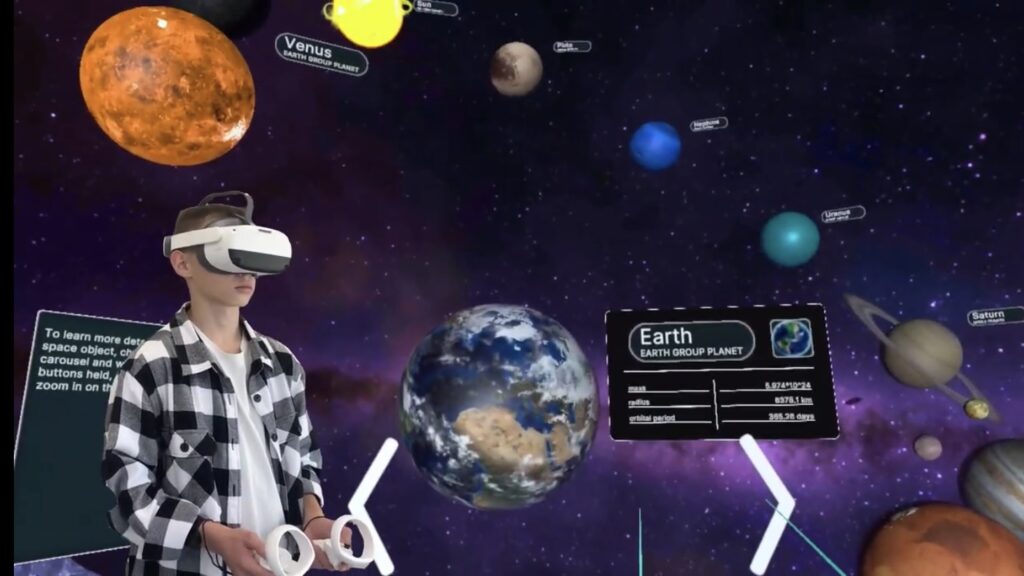
XReady Lab VR education: VR Solar System laboratory

Rather than memorizing facts about planets and celestial bodies, students embark on a space mission where they must customize their spacesuit parameters for landing on different planets. They consider factors like atmosphere, temperature, and gravity to ensure a safe landing. This immersive experience teaches them about planetary science and physics in an engaging way.

Understanding Gas Exchange Adventure
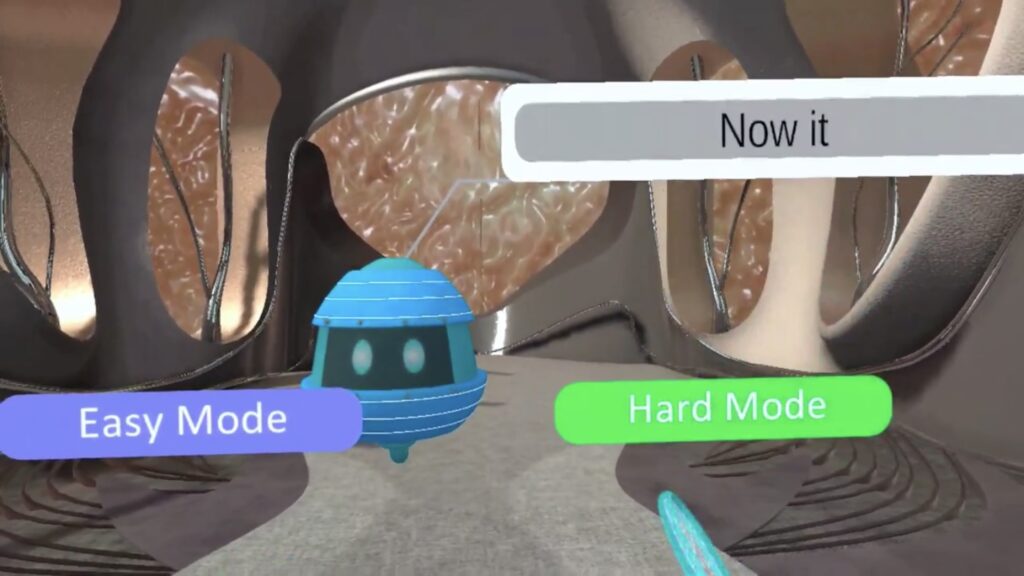
XReady Lab VR education: VR Gas Exchange laboratory

In studying human biology, students don’t just look at diagrams of organs. Instead, they dive into the respiratory system alongside a virtual robot friend. Together, they send gas molecules—oxygen and carbon dioxide—in the right directions by hitting them with virtual rackets. This interactive activity helps them understand the gas exchange process in a memorable and enjoyable manner.

Mitosis Mission
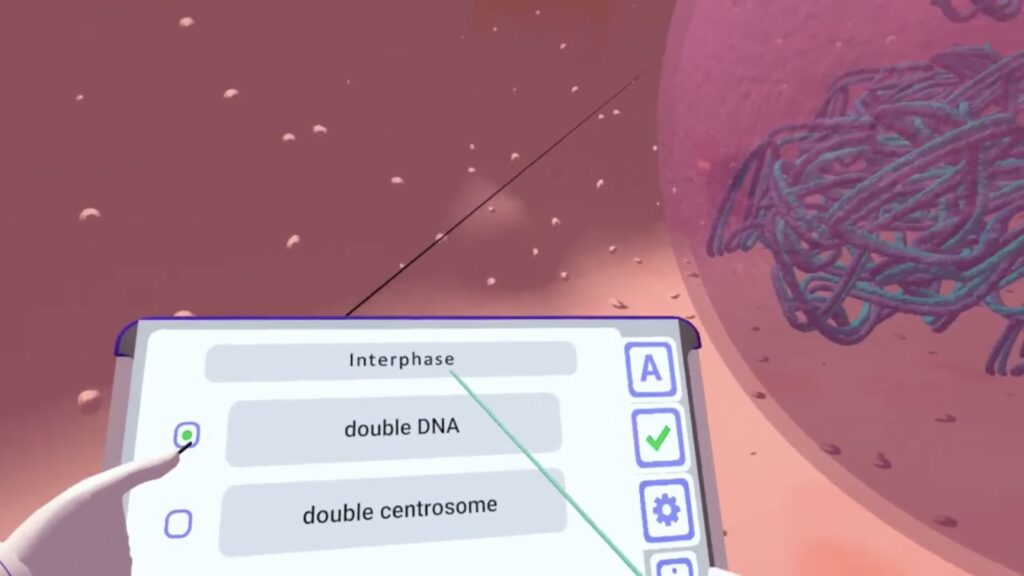
XReady Lab VR education: VR Mitosis laboratory

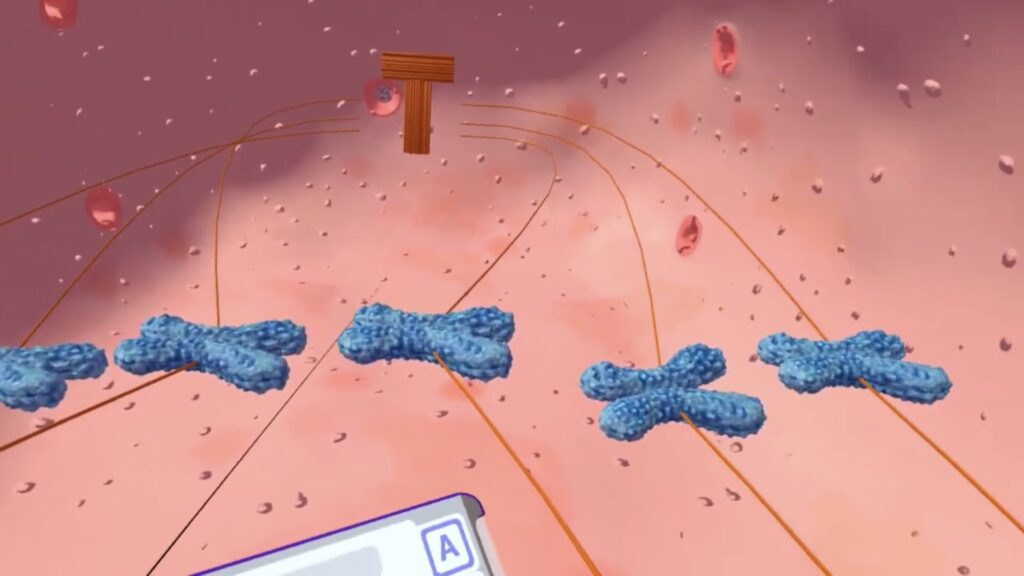
Cell division can be a complex topic, but by diving inside a cell, students take on the role of a cell engineer. They perform tasks such as piercing the nuclear envelope and dragging the centrosome to the other pole of the cell. By actively participating in the stages of mitosis, they gain a deeper understanding of the process.

The Benefits of Gamifying STEM with VR

  • Increased Engagement: Interactive environments capture students’ attention and make learning fun.
  • Enhanced Understanding: Hands-on activities help students grasp complex concepts more easily.
  • Motivation to Learn: Game mechanics like points, hints, and rewards stimulate attention and encourage progress.
  • Personalized Learning: VR allows students to learn at their own pace and explore topics that interest them.

Is Virtual Reality Safe for Education?

Safety is a common concern when introducing new technology into the classroom. VR headsets for education are designed with safety in mind. They are adjustable for comfort and have features to prevent eye strain and motion sickness. Additionally, sessions are typically short and supervised by educators to ensure a positive experience.

Bringing VR to Your School

Integrating virtual reality in schools doesn’t have to be a daunting task. XReady Lab offers comprehensive solutions to help schools adopt this technology seamlessly. Our VR education platform is compatible with various VR headsets for schools and comes with support for educators to get started.

WeOur simulations are curriculum-aligned, ensuring that they complement your existing lesson plans. We focus on creating content that not only meets educational standards but also excites and inspires students.

Try It Yourself with a Free Demo

Experience the future of education with XReady Lab. We invite educators to explore our virtual reality classrooms and see firsthand how gamifying STEM can transform learning.

👉 Request your free demo today!

Conclusion

The integration of virtual reality technology in education represents a significant advancement in how we teach and learn. By gamifying STEM subjects, we’re making education more engaging, interactive, and effective. Students are not only learning essential concepts but also developing a lifelong love for exploration and discovery.

VR learning is more than a trend; it’s a powerful tool that has the potential to revolutionize education. At XReady Lab, we’re committed to bringing these innovative experiences to schools everywhere.

Smart Play: Using VR to Develop Your Child’s Cognitive Skills at Home

In today’s rapidly changing world, technology is advancing at an unprecedented pace. While machines are taking over many tasks, there’s one thing they can’t replace: human creativity. Creativity isn’t just about art; it’s about solving global challenges, from climate change to technological innovation. Alongside creativity, emotional intelligence helps us navigate the complex social landscape of our connected world.

Imagine watching your child light up with excitement as they solve a challenging problem or confidently share their ideas with others. Creativity turns ordinary moments into extraordinary opportunities. It’s about thinking differently, finding innovative solutions, and imagining what’s possible.

Through hands-on experiences and developing cognitive skills, students learn to approach familiar concepts from new angles. This mindset encourages innovation and problem-solving, leading to breakthroughs in science, technology, and beyond.

But creativity doesn’t thrive in isolation. It flourishes alongside emotional intelligence—the ability to understand and manage our emotions while empathizing with others. Developing emotional intelligence helps children build stronger relationships, navigate social complexities, and become compassionate leaders.

Simple questions like, “What made you feel happy today?” or “How did that event make you feel?” can teach children to recognize and manage their emotions. These are crucial skills for personal and professional success.

Bringing Fun into Learning with Virtual Reality

As parents, we all want our children to enjoy learning and stay curious about the world. One way to spark that enthusiasm is by incorporating technology they find engaging—like virtual reality (VR). Virtual reality in education is transforming how students learn by making lessons interactive and immersive.

VR learning turns abstract concepts into tangible experiences. Imagine your child exploring the solar system, conducting virtual chemistry experiments, or walking through historical events—all from the comfort of home. This kind of interactive classroom experience can make learning both fun and memorable.

The Power of Gamifying STEM Education

STEM subjects (Science, Technology, Engineering, and Mathematics) can sometimes feel challenging or abstract to students. By gamifying these subjects using VR, we can make them more accessible and engaging. Games naturally motivate students to solve problems, think critically, and persist through challenges—all essential skills in STEM fields.

At XReady Lab, we specialize in creating VR simulations for schools that align with the curriculum. Our virtual reality classrooms allow students to dive deep into STEM subjects through interactive labs and experiments. While our primary focus is classroom use, we recognize the value of extending these resources to home learning.

Enhance Learning at Home with Educational VR Apps

There are many educational VR apps available that can enrich your child’s learning experience at home. One of our favorites is Enhance VR, an app developed with neuroscientists to boost cognitive skills through fun and engaging activities.

While not all VR apps are tailored for classroom curriculum, they offer valuable opportunities for self-development. Encouraging your child to use VR goggles for education at home can foster a love for learning and exploration. These apps cover a wide range of topics, from science and math to history and art.

XReady Lab Simulations for Home Use

If your child is homeschooled or eager to explore STEM subjects beyond school hours, our VR learning solutions can be a great fit. Our simulations provide:

  • Curriculum-Aligned Content: Ensuring that your child is learning material relevant to their studies.
  • Interactive Experiences: Making complex concepts understandable through hands-on virtual experiments.
  • Safe Learning Environment: Allowing exploration without the risks associated with physical labs.

By bringing our virtual reality education tools into your home, you can support your child’s curiosity and help them excel in STEM subjects.

Interested in trying our simulations at home?

👉 Request your free demo today!

We’ll provide you with an English demo to explore, and you can learn how to purchase a VR lab package tailored for home use.

Is Virtual Reality Safe for Children?

We understand that as parents, safety is a top concern. Rest assured, using VR in education is generally safe when following recommended guidelines:

  • Supervise Usage: Ensure that your child takes regular breaks and doesn’t spend excessive time in VR.
  • Age Recommendations: Follow the manufacturer’s age guidelines for VR headsets.
  • Comfort: Make sure the equipment fits properly to avoid discomfort.

By monitoring their usage, you can help your child enjoy the benefits of virtual reality learning safely.

The Future of Learning is Here

Integrating technology in education isn’t just about keeping up with trends—it’s about enhancing the way our children learn and preparing them for the future. Virtual reality offers immersive, engaging experiences that can make learning exciting and effective.

By gamifying STEM education through VR, we’re not only making learning fun but also fostering the creativity and problem-solving skills that are crucial in today’s world.

Final Thoughts

As parents, you have the power to ignite your child’s passion for learning. Incorporating educational VR apps at home can open up new worlds of exploration and understanding. Whether it’s through apps like Enhance VR or our own XReady Lab simulations, there are plenty of resources available to make learning both enjoyable and meaningful.

Ready to embark on this exciting journey with your child?

👉 Fill out the form to get your free demo and discover how VR can make a difference in your child’s education.

Unlock 75 Languages with XReady Lab’s Global VR Training Programs

At XReady Lab, we believe quality education should be accessible to everyone, no matter where they are. Therefore, we’ve adapted our VR education platform to support 75 languages. This ensures that language barriers don’t hinder learning. Our diverse training programs integrate seamlessly into your curriculum. Thus, implementing virtual reality in education becomes a smooth and enriching experience.

XReady Lab is trusted by hundreds of schools worldwide, including educators in the world’s largest VR x education project on a national scale.

Making VR Education Accessible Worldwide

We understand that not all teachers and students are comfortable with English-language materials. In many schools, educators may not be prepared to work with content in a foreign language. Additionally, students might not be proficient enough in English to learn with confidence. Therefore, our goal is to eliminate this hurdle by providing VR learning solutions tailored to your language and educational standards.

Adapting to Your Curriculum

Good teaching material should fit effortlessly into the learning process, enhancing it rather than complicating it. That’s why we go the extra mile to customize our virtual reality classrooms to align with your school’s curriculum, whether it’s the International Baccalaureate (IB), Cambridge, or any national education system.

  • Customize VR Labs: We adapt our VR educational programs to meet the specific requirements of your curriculum. This means that the content, experiments, and simulations within our STEM labs are directly relevant to what your students are learning in class. By aligning with your educational standards, we make it easier for teachers to integrate VR in the classroom without having to adjust their lesson plans significantly.
  • Translate Content: Both voice and text prompts within our VR learning experiences are translated into your language. This includes instructions, educational content, and interactive dialogues within the simulations. By providing localized content, we create an immersive and understandable experience for students, allowing them to focus on learning rather than struggling with a foreign language.

The Benefits of Virtual Reality in Education

Virtual reality technology in education is revolutionizing the way students learn by providing:

  • Interactive Classrooms: Immersive environments where students can explore and interact with subjects like never before.
  • Enhanced Engagement: VR learning captures students’ attention, making lessons more enjoyable and memorable.
  • Hands-On Experience: Students gain practical understanding through simulations, especially beneficial in subjects like science and technology.
  • Safe Learning Environment: Risk-free exploration of experiments and scenarios that would be impossible or dangerous in a traditional classroom.

Furthermore, our VR learning platform brings abstract concepts to life, fostering critical thinking and problem-solving skills. With virtual reality, students transition from passive recipients of information to active participants in their education.

Bridging the Gap with Technology

In today’s globalized world, education shouldn’t be limited by geography or language. XReady Lab is committed to making virtual reality for education accessible to schools everywhere. By offering content in 75 languages, we empower educators to bring the latest technology into their digital classrooms. This eliminates the worry of language barriers.

Moreover, our focus on localization ensures that:

  • Teachers can confidently integrate VR into their lessons without additional language training.
  • Students can fully engage with the material in their native language, enhancing comprehension and retention.
  • Schools can stay at the forefront of educational innovation, providing students with the tools they need to succeed in a technology-driven world.

Experience XReady Lab for Yourself

We invite you to explore how our VR solutions for schools can transform your teaching. Enrich your students’ learning experiences with immersive technology. Although our demos are provided in English for initial familiarization, we adapt all content to your desired language when partnering with your school.

Ready to take the next step in modern education?

👉 Request your free demo today!

Moreover, experience firsthand how you can seamlessly integrate our virtual reality classrooms into your curriculum. This makes education more interactive, engaging, and accessible.

Conclusion

At XReady Lab, we’re not just providing cutting-edge VR education technology. We’re breaking down barriers to ensure every student can benefit from the advantages of virtual reality in education. By focusing on language accessibility and curriculum alignment, we’re helping schools worldwide create smart classrooms that prepare students for the future.

Join us in revolutionizing education. Let’s make learning an exciting journey that transcends borders and languages.

Unlocking Learning for Everyone: Virtual Reality’s Role in Inclusive Classrooms

Education is a fundamental right, yet many students with disabilities face significant challenges in accessing quality learning experiences. Traditional classrooms may not always accommodate the diverse needs of all learners. Virtual reality (VR) is emerging as a powerful tool to transform education by making it more inclusive and accessible for everyone.

How VR Enhances Inclusive Education

Virtual reality (VR) is revolutionizing education by making it more accessible and inclusive for students with diverse needs. By creating immersive and adaptable learning environments, VR breaks down barriers that have traditionally hindered equal participation in education.

Overcoming Physical Barriers

XReady Lab VR education: VR Mitosis laboratory

For students with physical disabilities, participating in traditional classroom activities—especially in subjects like science that require hands-on experimentation—can be challenging. VR technology enables these students to engage fully in interactive lessons without physical limitations.

Imagine a student who uses a wheelchair being able to conduct virtual chemistry experiments, manipulate equipment in a physics lab, or explore biological processes up close. With VR, the need for physical mobility is minimized; students can interact with virtual objects using handheld controllers while remaining seated. This not only provides equal access to learning opportunities but also fosters a sense of inclusion as they participate alongside their peers.

A study published in the Journal of Special Education Technology highlighted how VR can enhance science education for students with mobility impairments, allowing them to perform virtual dissections and laboratory experiments that would otherwise be inaccessible.

Supporting Cognitive and Social Development

VR’s immersive environments offer unique opportunities for students with cognitive disorders or learning disabilities. For example, children on the autism spectrum often face challenges with social interactions and sensory processing. VR can provide controlled, customizable settings where these students can practice social skills without the unpredictability of real-world interactions.

Research conducted by the Autism Research Institute has shown that VR can help individuals with autism develop social communication skills by simulating real-life scenarios, such as ordering food in a restaurant or navigating a public space. The ability to repeat scenarios and adjust sensory inputs makes VR an effective tool for gradual exposure and learning.

Moreover, VR can aid students with attention-deficit/hyperactivity disorder (ADHD) by creating engaging, interactive lessons that capture their attention and reduce distractions. The immersive nature of VR can help maintain focus, potentially improving learning outcomes.

Assisting in Psychological Rehabilitation

For students dealing with psychological trauma or anxiety, VR can serve as a therapeutic medium. Exposure therapy, a common technique used to treat phobias and anxiety disorders, can be conducted safely within a virtual environment. Students can confront their fears in a controlled setting, gradually building resilience and coping strategies.

Virtual Speech
Virtual Speech game

In educational settings, VR can help alleviate anxiety associated with certain tasks, such as public speaking. By practicing speeches in front of a virtual audience, students can build confidence and reduce performance-related stress.

Customizable Learning Experiences

One of the strengths of VR is its ability to tailor experiences to individual needs. Educators can adjust the complexity, pacing, and sensory stimuli of virtual lessons to accommodate various learning styles and abilities. For students who require a quieter environment or need more time to process information, VR can provide personalized settings that enhance comprehension.

Enhancing Engagement and Motivation

Maintaining engagement can be a challenge, especially for students with learning difficulties. VR’s interactive and visually stimulating environments increase motivation and interest in learning. By transforming abstract concepts into tangible experiences, VR helps students grasp difficult subjects, promoting better retention and understanding.

The Role of XReady Lab

At XReady Lab, we are passionate about making education accessible and engaging. While we are not specialists in the education of children with disabilities, we believe that our VR learning solutions can support inclusive education.

Our simulations are designed to be used while seated, requiring minimal physical movement. Students navigate and interact using handheld controllers, making our programs accessible to those with physical disabilities. We offer a wide range of modules in physics, chemistry, and biology, aligned with educational standards, ensuring that all students can participate in core learning activities alongside their peers.

By providing immersive and interactive experiences, our virtual reality classrooms promote engagement and understanding, helping to bridge gaps and create a more inclusive learning environment.

Experience the possibilities with XReady Lab.

👉 Request your free demo today!

Looking Ahead: The Future of Inclusive Education

The potential of virtual reality technology in education extends far beyond novelty. It’s a powerful tool that can help bridge gaps in inclusive learning, offering adaptable, immersive, and engaging experiences for all students.

By leveraging VR, educators can create interactive classrooms where every student has the opportunity to succeed, regardless of physical or cognitive challenges. As technology continues to advance, the integration of VR in schools will play an increasingly vital role in shaping an education system that is truly inclusive.

At XReady Lab, we are committed to exploring how our VR educational solutions can support this mission. We invite educators, specialists, and schools to collaborate with us in making education accessible to all.

Join us in shaping the future of inclusive education.

👉 Request your free demo now!

Beyond the Classroom: Unexpected Ways VR is Transforming School Education

When we think of virtual reality (VR) in education, the first images that come to mind are often of students exploring distant planets in a science class or walking through ancient civilizations in history lessons. Indeed, VR has revolutionized these areas by making learning more interactive and immersive. But did you know that VR’s potential in schools extends far beyond these obvious applications?

At XReady Lab, we’re excited to share some surprising ways VR is enhancing education, helping students develop valuable skills that go beyond traditional academics.

Developing Essential Soft Skills

Soft skills like public speaking, teamwork, and leadership are crucial for students’ future success but can be challenging to teach in a traditional classroom setting. Virtual reality education offers a safe and controlled environment where students can practice these skills without fear.

Imagine a student standing on a virtual stage, delivering a presentation to a simulated audience. With VR, they can:

  • Overcome Stage Fright: Practice speeches in front of virtual crowds to build confidence.
  • Receive Immediate Feedback: Get real-time responses to improve delivery and content.
  • Enhance Communication Skills: Engage in interactive scenarios that develop effective speaking and listening abilities.

By immersing themselves in these realistic simulations, students can refine their soft skills in ways that traditional methods can’t match.

Enhancing Emergency Preparedness

Traditional safety drills can sometimes fail to fully prepare students for real emergencies. VR offers a powerful tool for emergency training by allowing students to experience realistic scenarios without any actual risk.

For example, students can participate in a virtual fire drill, navigating through a simulated building while learning proper evacuation procedures. They can experience various emergency situations, such as natural disasters or medical crises, and learn how to respond appropriately.

This immersive approach makes emergency training more effective and memorable, ensuring students are better prepared if a real emergency occurs.

Innovating Physical Education and Sports Training

You might wonder how VR fits into physical education. After all, can students really exercise with a VR headset on? Surprisingly, VR is opening new doors in sports training by providing detailed feedback and innovative ways to practice skills.

Athletes can use VR to hone their techniques in sports like boxing or soccer. By wearing VR equipment, they can practice movements that are meticulously tracked and receive instant feedback on their performance. VR can simulate various scenarios, allowing athletes to train in ways that might not be possible in real life.

Moreover, VR fosters competition and camaraderie by enabling students to train with virtual teammates or challenge opponents from around the world. This not only improves their skills but also keeps them motivated and engaged.

Overcoming Limitations of Traditional Education

One of the greatest advantages of VR is its ability to bypass the limitations of classical education. In traditional settings, certain experiences are impossible, unsafe, or too costly. VR makes it possible to immerse students in environments they could never access otherwise.

Imagine students exploring the human body by traveling inside an organism or a cell, or embarking on a space mission to learn about the solar system. These experiences deepen understanding and make learning unforgettable.

At XReady Lab, we specialize in creating these kinds of immersive educational experiences. Our eduverse offers a range of modules that align with the curriculum and provide hands-on learning opportunities.

Experience the Future with XReady Lab

We’re passionate about bringing the benefits of VR to schools in innovative and practical ways. Whether it’s developing soft skills, enhancing emergency preparedness, or revolutionizing physical education, VR has the potential to transform education.

Ready to discover how VR can make a difference in your school?

👉 Request your free demo today!

VR Education Today: Leading Platforms Transforming the Classroom Experience

As technology continues to advance, virtual reality (VR) is making a significant impact on education, offering immersive experiences that enhance learning across various subjects. Schools worldwide are embracing VR education to create dynamic, interactive lessons that engage students like never before. From exploring the depths of the ocean in a science class to stepping inside a historical event in social studies, virtual reality in education is reshaping the way students interact with the curriculum.

The Rise of Virtual Reality in the Classroom

The integration of VR in the classroom brings abstract concepts to life, particularly in STEM fields where complex theories can be difficult to grasp through traditional teaching methods. By providing a virtual reality classroom, educators can offer hands-on experiences without the limitations of physical resources or safety concerns. This technology not only increases student engagement but also deepens understanding by allowing learners to explore and interact with content in a three-dimensional space.

Benefits of VR Education

  • Enhanced Engagement: Interactive simulations and immersive environments capture students’ attention, making learning more enjoyable.
  • Improved Understanding: Complex concepts become more accessible when students can visualize and manipulate them in a virtual space.
  • Equal Opportunities: VR provides all students with access to experiences that might otherwise be unavailable due to geographical or economic constraints.
  • Safe Learning Environment: Risky experiments or explorations can be conducted safely within a virtual setting.

Leading VR Education Platforms

Several companies are at the forefront of integrating VR into education, each offering unique approaches to enhance the learning experience. Let’s explore some of these leading platforms and how they are transforming classrooms.

ClassVR

ClassVR is known for its comprehensive VR education platform, offering an extensive library of immersive content that spans various subjects. Their solution is designed to be easily integrated into the classroom, providing teachers with a user-friendly interface and a wealth of resources.

Highlights:

  • Wide Content Library: Offers a broad range of 360-degree videos and interactive experiences.
  • Ease of Use: The platform is designed for quick setup, allowing teachers to incorporate VR into lessons without technical hurdles.
  • Learning Management System (LMS) Integration: Seamlessly works with existing LMS platforms, facilitating lesson planning and student assessment.

Considerations:

  • Interactivity Limitations: While the content is immersive, some experiences rely heavily on passive viewing rather than interactive engagement.
  • Target Audience: Primarily geared towards younger students, which may limit its applicability for higher grade levels.

XReady Lab

XReady Lab focuses on delivering a robust, curriculum-aligned VR platform specializing in STEM education. Their extensive content library covers physics, chemistry, and biology, providing interactive modules that align with educational standards.

Highlights:

  • Comprehensive STEM Content: Offers a wide range of modules that delve deep into scientific concepts.
  • Curriculum Alignment: Designed to fit seamlessly with existing lesson plans and educational requirements.
  • Interactive Simulations: Provides hands-on experiences that promote critical thinking and problem-solving skills.

Considerations:

  • Single-User Experience: Currently lacks multiplayer functionality, which may limit collaborative learning opportunities.
  • Focus Area: Specializes in STEM, so schools seeking content in other subjects may need additional resources.

Try XReady Lab for Free: Request a Demo

Prisms VR

Prisms VR focuses on making complex mathematical concepts more accessible through interactive, real-world problem-solving scenarios. Their platform emphasizes experiential learning, allowing students to apply mathematical theories in practical situations.

Highlights:

  • Interactive Learning: Engages students with hands-on activities that reinforce mathematical concepts.
  • Teacher Support: Provides training and resources to help educators effectively implement VR in their teaching.
  • Real-World Applications: Links abstract math concepts to real-life problems, enhancing relevance and understanding.

Considerations:

  • Content Scope: Currently offers a limited range of subjects, primarily focusing on mathematics.
  • Integration Challenges: May require additional effort to align with specific curriculum standards or LMS platforms.

Futuclass

Futuclass offers a gamified approach to learning, particularly excelling in science subjects like chemistry and physics. Their VR experiences are designed to make complex scientific principles more engaging and understandable through interactive gameplay.

Highlights:

  • Gamification: Transforms learning into an exciting game-like experience, increasing student motivation.
  • Science Focus: Provides in-depth modules on chemistry and physics, making difficult concepts accessible.
  • Interactive Experiments: Allows students to conduct virtual experiments safely, fostering hands-on learning.

Considerations:

  • Content Depth: While strong in certain areas, the platform may lack comprehensive coverage across all STEM subjects.
  • Curriculum Alignment: Educators may need to adapt content to fit their specific educational standards.

VictoryXR

VictoryXR stands out by offering collaborative virtual environments where students and teachers can interact in real-time. Their platform emphasizes social learning, enabling virtual field trips and group activities that mimic the dynamics of a physical classroom.

Highlights:

  • Multiplayer Functionality: Supports real-time interaction between students and educators within the VR space.
  • Virtual Field Trips: Provides immersive experiences to locations around the world, enhancing cultural and historical education.
  • Interactive Learning: Encourages collaboration and communication among students.

Considerations:

  • Content Modernity: Some content may feel outdated compared to newer VR experiences.
  • Engagement Levels: Lacks some gamified elements that today’s students find engaging, potentially impacting sustained interest.


The Future of VR in Education

The landscape of virtual reality in education is rapidly evolving, with companies continually innovating to enhance learning experiences. As technology advances, we can expect:

  • Expanded Content Libraries: More subjects and topics will become available, providing comprehensive resources across the curriculum.
  • Enhanced Interactivity: Increased focus on gamification and interactive elements to maintain student engagement.
  • Improved Accessibility: Advancements in technology will make VR more affordable and accessible to schools worldwide.
  • Collaborative Learning: Development of multiplayer functionalities to support social learning and teamwork within virtual environments.

Conclusion

Virtual reality is poised to revolutionize education by offering immersive, interactive experiences that traditional teaching methods cannot match. Platforms like XReady Lab, Prisms VR, Futuclass, ClassVR, and VictoryXR are leading the way, each bringing unique strengths to the table.

As educators consider integrating VR learning into their classrooms, it’s essential to evaluate each platform’s offerings in relation to their specific educational goals and student needs. Balancing content quality, curriculum alignment, interactivity, and ease of integration will be key to successfully harnessing the benefits of virtual reality in the classroom.

Experience the future of education with XReady Lab’s VR solutions. Bring your lessons to life and inspire your students with immersive learning.

Request your free demo today!

The balance between games and education: the XReady Lab perspective

At XReady Lab, we often hear concerns from teachers when it comes to integrating virtual reality into the classroom:

  • “Oh no, VR is about gaming addiction; we don’t need that in school.”
  • “Oh, you don’t make games—you make scientific simulations? So why use VR then?”

Do these thoughts sound familiar? If so, you’re not alone. Many educators grapple with finding the right balance between engaging students and ensuring that learning remains the primary focus. Let’s explore this dilemma and share our perspective on where to draw the line between games with educational elements and educational simulations with game elements.

The Great Debate: Games vs. Educational Simulations

In the world of VR education, there’s an ongoing discussion about the most effective way to engage students using this exciting technology. Should we create games with educational elements or focus on educational simulations with game elements? While they might sound similar, the distinction is crucial for effective learning in a digital classroom.

Games with Educational Elements

Games designed primarily for entertainment, with learning components woven into the gameplay, can quickly capture students’ attention through fun challenges and immersive storytelling. They often feature rich narratives, exciting missions, and rewards that keep players hooked.

However, there are some drawbacks to consider:

  • Distraction from Core Learning: The thrill of the game can sometimes overshadow the educational content, making learning a secondary aspect.
  • Time Constraints: These games often require extended periods to complete, which doesn’t align well with typical classroom schedules.
  • Curriculum Alignment: They may not perfectly synchronize with educational standards or specific lesson objectives, making them harder to integrate into structured lesson plans.

While these games can be excellent tools for sparking interest in a subject, they might be better suited for extracurricular use or at-home exploration rather than the classroom setting.

Educational Simulations with Game Elements

On the other hand, educational simulations prioritize learning outcomes while incorporating interactive and engaging features to maintain student interest. This approach strikes a balance between education and engagement, ensuring that gameplay enhances rather than detracts from the core material.

Benefits of this approach include:

  • Focused Learning: The primary goal is to teach specific concepts aligned with the curriculum, ensuring that educational objectives are met within the allotted class time.
  • Ease of Integration: Designed with classroom constraints in mind, these simulations fit neatly into lesson plans and complement traditional teaching methods.
  • Balanced Engagement: Interactive environments and challenges keep students motivated without overwhelming them with non-educational content.

For teachers, this means providing structure and clarity, making it easier to guide students through the material while still allowing room for exploration. For students, the engaging elements add excitement to the learning process, keeping them curious and involved.

Finding the Right Balance in VR Learning

At XReady Lab, we believe in the power of immersive technology to transform education, but we also recognize the importance of aligning with educational goals. We focus on creating VR learning solutions that are both educational and engaging, ensuring that technology enhances the learning experience rather than distracting from it.

XReady Lab’s Approach

Our mission is to make complex scientific concepts accessible and exciting for students. By emphasizing accurate scientific simulations enriched with interactive elements, we cater to the learning needs of the alpha generation in today’s digital classrooms.

Consider our space exploration module:

Imagine students embarking on a virtual mission to explore the solar system, visiting planets like Mars, Jupiter, and Saturn. They step into an astronaut’s shoes, experiencing different gravities and learning about space travel essentials—all from the classroom. To succeed, they must construct their own spacesuits by selecting the appropriate parameters based on each planet’s atmosphere, temperature, and gravity.

Through this immersive, hands-on experience, students discover planetary science, physics, and environmental conditions in a way that textbooks alone can’t provide. They uncover new corners of space, train for spaceflight seamlessly, and embark on an educational adventure that brings the universe to life like never before.

Addressing Teachers’ Concerns

We understand that educators may have reservations about introducing VR into the classroom. Here are some common concerns and how we address them:

Safety:

Our simulations are designed with safety in mind, both physically and in terms of content. We provide guidance on appropriate usage to ensure a safe learning environment.

Gaming Addiction:

XReady Lab VR education: VR Solar System laboratory

Since our focus is on education first, the engaging elements are there to support learning objectives, not to create addictive gameplay loops.

Curriculum Alignment:

Our programs align with international educational standards, making it straightforward to incorporate them into your lesson plans without extra hassle.

Encouraging Responsible Use of Games in Education

While we advocate for educational simulations with game elements in the classroom, we also recognize the value of games with educational elements. These games can be excellent for:

  • Sparking Interest: They can generate enthusiasm for a subject, motivating students to explore further.
  • Extracurricular Learning: As supplementary material outside of class time, they can reinforce concepts learned in school.
  • Home Exploration: Encouraging students to engage with educational games at home can extend learning beyond the classroom.

By guiding students toward content that complements their studies, teachers can harness the engaging power of games without compromising educational goals.

Experience the Difference with XReady Lab

We invite educators to explore how our VR education platform can transform teaching and enrich students’ learning experiences. With our simulations, you can rest easy knowing that:

  • The content is aligned with your curriculum.
  • Lessons fit within standard class times.
  • Students are engaged and motivated to learn.

Ready to bring the future of education into your classroom?

Request your free demo today!

Conclusion

Finding the right balance between games and education doesn’t have to be a challenge. By choosing educational simulations with game elements, teachers can provide immersive, interactive experiences that enhance learning while keeping educational objectives at the forefront.

At XReady Lab, we’re committed to supporting educators in this journey, providing tools that make learning both effective and enjoyable. Let’s embrace the exciting possibilities of virtual reality in the classroom while keeping our focus firmly on education.

Virtual Reality in the Classroom: Enhancing Student Engagement

Imagine a classroom where students don’t just read about history—they travel back in time to witness it firsthand. Picture them exploring the depths of the ocean, flying through space, or diving inside a human cell to observe biological processes up close. With virtual reality in education, these experiences are becoming an exciting reality in today’s digital classrooms.

The Power of Immersive Learning

Virtual reality (VR) is transforming education by creating immersive environments that engage students like never before. Instead of passively absorbing information, students become active participants in their learning journey.

Bringing Lessons to Life

History Comes Alive:

Anne Frank House VR
Anne Frank House VR

With applications like the Anne Frank House VR, students can walk through historical sites, gaining a deeper understanding of past events and the people who lived them. Experiencing history firsthand makes it more relatable and memorable.

Exploring the Sciences:

Xready Lab Mitosis

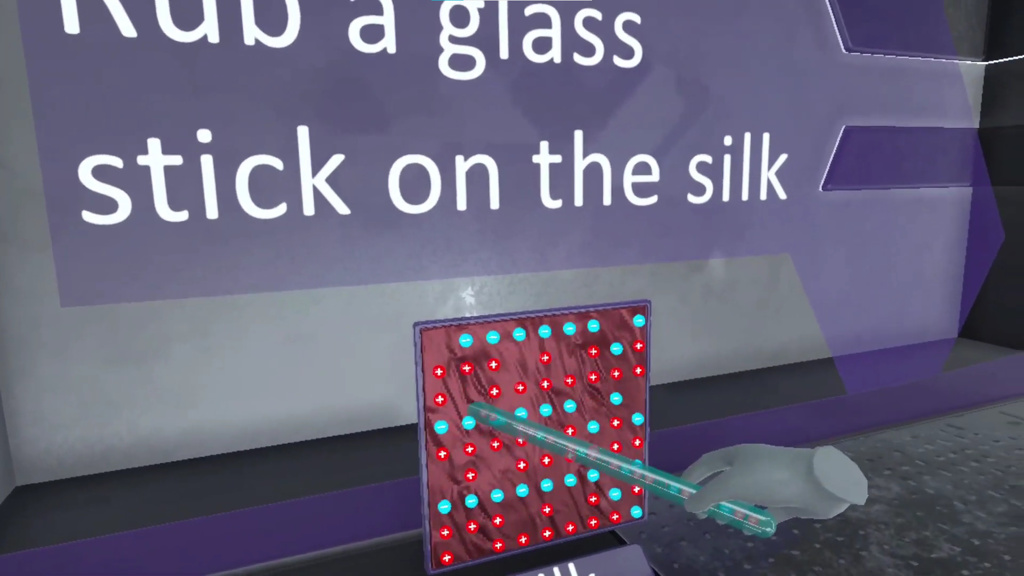
In science classes, VR allows students to conduct experiments that would be impossible or unsafe in a traditional classroom. Programs like XReady Lab’s Mitosis module let students step inside a cell to witness mitosis, while the Electrification module lets them work with virtual lasers and elementary particles, enhancing their understanding of complex concepts.

Language Immersion:

Noun Town Language Learning

Learning a new language becomes an adventure with apps like Noun Town Language Learning. Students practice languages in virtual environments, interacting with native speakers and exploring cultural settings, which improves their conversational skills and cultural awareness.

Increasing Engagement Through Gamification

One of the key benefits of virtual reality in the classroom is its ability to increase student engagement through gamification. By incorporating game-like elements and immersive storytelling, VR learning turns education into an interactive adventure. Students are more motivated and enthusiastic when they can actively explore subjects rather than just read about them.

How Gamification Enhances Learning:

  • Interactive Challenges: VR presents lessons as quests or missions, encouraging students to solve problems to progress. This active participation keeps them engaged and eager to learn.
  • Immediate Feedback: Students receive real-time responses to their actions, helping them understand concepts more quickly and retain information longer.
  • Personalized Learning Paths: Gamified VR adapts to each student’s pace and learning style, providing support where needed and allowing them to excel when they’re ready.

By transforming lessons into engaging experiences, virtual reality education taps into students’ natural love for play, making learning enjoyable and effective.

Enhancing STEM Education with VR

In the realm of STEM education, virtual reality offers unparalleled opportunities to bring complex concepts to life. Traditional teaching methods sometimes struggle to convey abstract ideas in subjects like physics, chemistry, and biology. VR learning makes these concepts tangible and interactive.

XReady Lab’s Innovative Modules:

Mitosis Module:

Mitosis Xready Lab

Students step inside a cell to witness mitosis as it happens. They can manipulate DNA strands, observe chromosome alignment, and understand each phase of cell division in a 3D environment. This immersive experience deepens comprehension and makes the learning memorable.

Electrification Module:

Electrification Xready Lab

Students explore the principles of electricity by interacting with virtual circuits. They can build circuits, change components, and see immediate results of their experiments. This hands-on approach enhances their understanding of electrical concepts and fosters critical thinking.

Bringing Lessons to Life Across Subjects

Virtual reality learning isn’t limited to science and history; it has the potential to revolutionize education across all subjects, providing immersive experiences that enhance understanding and engagement.

Art and Culture:

  • Virtual Museum Tours: Students can visit famous museums like the Louvre or the Smithsonian without leaving the classroom. They can explore exhibits, view artworks up close, and learn about different art movements and historical contexts.
  • 3D Art Creation: VR tools enable students to create their own sculptures or paintings in a virtual studio, experimenting with colors, textures, and techniques that might be impossible or messy in real life.

Geography and Social Studies:

  • Global Exploration: Students can traverse continents, explore landmarks, and experience different cultures firsthand. They might walk along the Great Wall of China, visit the Pyramids of Egypt, or observe wildlife in the Serengeti.
  • Cultural Immersion: VR allows students to participate in cultural festivals or daily life activities around the world, fostering empathy and global awareness.

Mathematics:

  • Interactive Problem Solving: Abstract mathematical concepts become concrete when students can manipulate shapes and equations in a virtual space. For example, they can visualize geometric transformations or explore the properties of graphs in algebra.
  • Real-World Applications: VR scenarios place students in situations where they must use math to solve problems, such as managing resources in a virtual city or programming robots.

Language Arts:

  • Immersive Storytelling: Students can step into the settings of novels and stories, experiencing the narrative from different perspectives. This deepens comprehension and engagement with the text.
  • Creative Writing Inspiration: Exploring diverse environments and scenarios in VR can spark imagination, providing rich material for storytelling and writing exercises.

By integrating virtual reality in education, teachers can create interactive classrooms that cater to diverse learning styles and interests. VR provides an immersive way to experience content across the curriculum, making learning more engaging and effective. It breaks down barriers between subjects, showing students the interconnectedness of knowledge.

Implementing VR in Schools

Introducing VR in schools is becoming increasingly accessible. Affordable VR headsets for education are available, and many programs are designed specifically for classroom use. Teachers can integrate VR into their lessons with minimal training, and students quickly adapt to the technology.

It’s important to choose applications that align with educational goals and standards. Platforms like XReady Lab offer modules that complement existing curricula and are developed with input from educators.

The Future of Learning

As technology continues to evolve, virtual reality in the classroom will play an increasingly vital role. It offers a dynamic way to engage students, cater to different learning styles, and prepare them for a technology-driven world. By embracing VR, educators can create interactive classrooms that inspire curiosity and a love of learning.

Ready to Transform Your Classroom?

Experience the future of education with XReady Lab‘s VR solutions. Let us help you create an environment where students are excited to learn and explore.

Request your free demo today and discover how virtual reality can revolutionize your teaching.

👉 Request your free demo now!


New Subjects for Education: Preparing Students for Life in a Technological World

“Why do I need to learn algebra? How will it help me later in life?” If you’re a teacher or a parent, you’ve probably heard these questions countless times. It’s the eternal debate: Does school truly prepare students for life, or is it just a stepping stone to further education? While traditional subjects develop intelligence and critical thinking, many students still feel unprepared for the real-world challenges that await them.

The Importance of Traditional Education

There’s no denying that subjects like math, science, and literature are essential pillars of our education system. They help us develop critical thinking and problem-solving skills, spark creativity, and build a foundation for lifelong learning. Mathematics teaches us logical reasoning and analytical thinking. Science ignites our curiosity about the world, encouraging us to question, experiment, and understand the laws that govern our universe. Literature opens doors to different cultures and perspectives, enhancing our empathy and communication skills.

These traditional subjects foster intelligence and equip us with the ability to analyze information, think critically, and communicate effectively—skills that are invaluable no matter where life takes us. They prepare us for higher education and provide the groundwork for understanding complex concepts in various fields, from engineering to medicine.

Moreover, schools serve as a social environment where students learn essential interpersonal skills. Collaborating on projects, participating in discussions, and engaging in group activities help develop teamwork and leadership abilities. These experiences are crucial for personal growth and future professional success.

The Skills Gap

But let’s face it—there are many crucial life skills that we don’t learn in school. How many of us graduated knowing how to manage stress during tough times, balance a budget to avoid debt, cook a healthy meal, or understand taxes and personal finance? These are everyday challenges that we all face, yet they’re often absent from the curriculum.

This gap leaves many students feeling unprepared for the real world. Not everyone has the family support or resources to learn these skills at home. Imagine the confidence and independence students would gain if schools helped bridge this gap. By incorporating life skills education, we can empower students to handle personal finances, maintain their health, and navigate adult responsibilities with ease.

Introducing New Subjects for the Modern World

Now, imagine a school where, alongside algebra and history, students dive into subjects like artificial intelligence (AI), augmented reality (AR), virtual reality (VR), and robotics. In our rapidly changing world, these technologies aren’t just futuristic concepts—they’re shaping our everyday lives.

Learning about AI can demystify how algorithms influence social media, online shopping, and even job recruitment. Classes on AR and VR in education can open up new dimensions of learning, where students don’t just read about history—they experience it through immersive simulations. Robotics courses can inspire innovation, teaching students to design and build machines that could solve real-world problems.

By embracing these new subjects, we can prepare students to be not just consumers of technology but creators and innovators. They’ll gain the skills to navigate and shape the future, contributing to advancements that could improve lives globally.

Technology as a Part of the Learning Process

For Generation Alpha—those bright-eyed kids born in the early 2010s—technology isn’t a novelty; it’s a way of life. They’ve grown up swiping screens before they could walk, talking to smart speakers, and interacting with digital content daily. To truly engage these digital natives, education needs to meet them where they are. Integrating technology into learning isn’t just an option; it’s essential.

Incorporating technology transforms the classroom into an interactive learning environment. Tools like smart classrooms, VR headsets for education, and interactive classroom activities can make lessons more engaging and cater to various learning styles. Virtual reality in education allows students to experience subjects firsthand—whether it’s exploring the depths of the ocean in a VR biology class or walking through ancient civilizations in history.

By embracing technology, educators can create a VR classroom where learning is dynamic and interactive. For example:

  • Virtual Reality Learning: Students can don VR headsets and embark on virtual field trips, exploring the solar system, or examining the human body at a cellular level.
  • Interactive Classrooms: Augmented reality apps can bring static images in textbooks to life, providing a 3D perspective that enhances understanding.
  • Digital Classrooms: Online platforms can facilitate collaboration, allowing students to work together on projects regardless of their physical location.

This approach not only captures students’ attention but also fosters a deeper understanding of the material. It prepares them for a future where technology and education are intertwined, ensuring they are comfortable with the tools and platforms that will be integral to their personal and professional lives.

By integrating technology into the learning process, we’re not just teaching students about tech—we’re using it to teach them about the world in a more engaging and meaningful way.

Learning Through Virtual Reality

One of the most exciting developments is the use of virtual reality in education. Picture this: your students donning VR headsets and suddenly finding themselves inside the human body, exploring the circulatory system firsthand. Or perhaps they’re walking among the dinosaurs in a prehistoric landscape. With VR learning, the classroom walls disappear, and the world (and beyond) becomes the playground.

In a VR classroom, students aren’t just learning—they’re experiencing. This kind of immersive education makes lessons unforgettable.

Benefits of VR for Education in Schools

Virtual reality in education offers a treasure trove of benefits:

  • Unparalleled Engagement: VR captures students’ imaginations, making learning exciting and fun.
  • Hands-On Learning: Students interact directly with the subject matter, deepening understanding.
  • Breaking Barriers: Explore places and concepts that are otherwise inaccessible—deep oceans, outer space, or inside a volcano.
  • Safe Exploration: Conduct experiments or explore scenarios without real-world risks.
  • Personalized Experiences: Tailor learning to each student’s pace and interests.

Research shows that students who learn through VR education are more engaged and retain information better than with traditional methods. It’s learning brought to life!

XReady Lab’s Role in VR Education

At XReady Lab, we’re on a mission to transform education through the power of virtual reality. Our VR solutions for schools are designed to align with international teaching standards, making it easy for schools to integrate this technology into their curriculum. Whether it’s exploring the wonders of physics, delving into complex biological systems, or journeying through historical events, our VR learning platform brings subjects to life in vivid detail.

We believe that education should be an adventure, and with our VR headsets for schools, every lesson becomes an opportunity for exploration and discovery.

Conclusion

The world is changing rapidly, and education must change with it. By introducing new subjects and embracing technologies like virtual reality, we can prepare students not just for exams, but for life. Let’s empower them with the skills and knowledge they need to succeed in an ever-evolving world.

Ready to Bring VR to Your Classroom?

Give your students the gift of immersive learning experiences that will ignite their passion for knowledge. Request your free demo from XReady Lab today, and see how virtual reality can transform your classroom into a world of endless possibilities.

👉 Request your free demo now!

The Future of STEM Education: How VR is Changing the Game

In today’s rapidly evolving world, the integration of Virtual Reality (VR) into STEM education is transforming how students engage with complex subjects. From flying through space to diving deep inside the human body, VR allows students to explore environments and concepts that were previously limited to textbooks or high-level labs. This immersive technology offers a new way of learning, bringing abstract ideas to life.

Immersive Learning in STEM

Virtual Reality in education provides students with hands-on experiences that traditional learning methods simply can’t match. With VR, STEM labs become more than just classrooms. Imagine students navigating the bloodstream, working with lasers, or observing the behavior of elementary particles. These experiences make science, technology, engineering, and math not only more engaging but also accessible to all students, no matter their physical location.

A VR classroom fosters an interactive learning environment, helping students visualize complex ideas like elementary particles or how the body functions at the cellular level. By integrating VR into the STEM lab, students can take virtual field trips to space, dive into the human body, or even experiment with dangerous elements—all from the safety of their desks.

Boosting Engagement with Game-Based Learning

One major advantage of VR in education is how it increases student engagement through Game-Based Learning. With VR learning platforms, lessons become interactive, motivating students to dive into simulations and solve real-world problems. By earning points, badges, and rewards for tackling complex STEM lab challenges, students stay focused and entertained.

Cell Division – mitosis Xready Lab

This gamified learning environment fosters both competition and collaboration, turning the classroom into a dynamic, immersive experience. Game mechanics in virtual reality classrooms keep students actively engaged, enhancing both their problem-solving skills and retention.

Adapting the Classroom for the Gen Alpha

The Gen Alpha thrives in a digital classroom. Growing up in a tech-savvy world, these students need learning environments that reflect their reality. VR in schools blends real and virtual worlds, aligning perfectly with their expectations.

Example Solar System Lab

Virtual reality in education grabs students’ attention better than traditional methods. It caters to their love for technology, making learning immersive and interactive. Students actively explore concepts, such as flying through space or examining the human body from within. As VR classrooms evolve, they will become a natural fit for the modern student’s mindset, improving focus and retention.

The Benefits of VR in STEM Education

Virtual reality acts as a portal to the world of knowledge, unlocking doors that traditional classrooms can’t reach. Imagine slipping on a VR headset and instantly stepping into other worlds, traveling beyond the confines of a textbook into realms where learning knows no boundaries.

In VR, students can:

  • Explore distant planets like Mars or journey inside the fiery depths of a volcano, experiencing field trips that were once limited to imagination.
  • Enter a STEM lab where they conduct virtual experiments, free from any real-world risks, learning with the freedom of trial and error.
  • Dive into the intricacies of human anatomy, studying biology in a way that turns abstract concepts into something tangible and alive, interacting with organs and cells as if they were right in front of them.

The classroom becomes a gateway to limitless possibilities, where students can take interactive journeys through subjects that might otherwise seem difficult. Virtual reality makes even the most complex ideas vivid and approachable, whether it’s unraveling the mysteries of DNA or stepping back in time to witness historical events unfold firsthand.

And it’s not just science—VR in education breathes life into literature, the arts, and history. It gives students the ability to walk through ancient civilizations, bringing the past to life in a way that no textbook can. With VR, every lesson becomes a new adventure, and every student an explorer.

Request Your Free Demo Today

Curious about how VR can transform your STEM curriculum? Explore the full potential of VR education by requesting a free demo from XReady Lab today. See how virtual reality in the classroom can boost student engagement, foster creativity, and enhance learning outcomes. With VR in education, the future of STEM is more immersive, interactive, and exciting than ever before.

Experience the benefits of VR learning with our free demo