menu

Today’s Students Are the Alpha Generation: How to Adapt the Educational Process to Them

In today’s fast-paced world, the alpha generation, born after 2010, is growing up with technology integrated into every aspect of life. This generation, children of the digital age, has distinct characteristics that demand a rethinking of traditional educational approaches. Gadgets, online platforms, and constant connectivity define their daily routines, creating a generation that perceives information differently from those who came before them.

What is the Alpha Generation?

The alpha generation represents a new wave of learners, deeply immersed in the digital world from birth. These children are shaped by rapid technological advancements, the rise of social media, and the proliferation of smart devices. With unprecedented access to information, they are quick learners, highly adaptable, and visually oriented.

While the alpha generation enjoys many advantages, such as prioritizing a healthy lifestyle, emotional intelligence, and agility in a world of constant change, their learning needs differ significantly from previous generations.

Key Characteristics Shaping How They Learn

Gadgets Are Central to Their Lives

From the moment they were born, gadgets like smartphones and tablets have been part of their environment. They are proficient in using these devices for various activities, from playing games to learning. This deep integration of technology affects their attention spans and learning habits.

Seamless Perception of Online and Offline Life
For alpha kids, there is no clear distinction between real life and online life. Whether they are participating in extracurricular activities, interacting with friends, or studying, they move effortlessly between physical and digital worlds. This requires schools to integrate digital tools into the classroom to reflect their hybrid reality.

The Speed of Information Matters
These children have had the internet at their fingertips since birth, making them accustomed to instant access to information. They thrive on the freedom to search for answers quickly, which can make traditional, slow-paced lessons less engaging.

Visual Learning is King
In a world of videos, memes, and interactive media, visuals are far more engaging for the alpha generation than text. This shift in preference means that education systems must incorporate more visual tools, such as virtual reality (VR) and digital simulations, to maintain their attention and optimize learning outcomes.

Short Attention Spans
The alpha generation is used to consuming information in quick bursts. Long lectures or extended reading sessions may not hold their focus. Instead, they benefit from dense, impactful lessons packed with visual and interactive content that keeps them engaged.

Adapting the Educational Process to Meet Their Needs

Given these characteristics, educators must rethink their approaches to better suit the alpha generation’s learning preferences. Traditional methods may no longer be sufficient, but modern tools like VR education and interactive classrooms offer solutions tailored to this generation.

Why Virtual Reality is Ideal for Alpha Learners
The immersive nature of VR in the classroom caters perfectly to alpha learners. Since they already embrace gadgets and digital tools, VR offers an engaging way to enhance their learning experience. Here’s why VR is particularly suited to the alpha generation:

Visually Engaging:

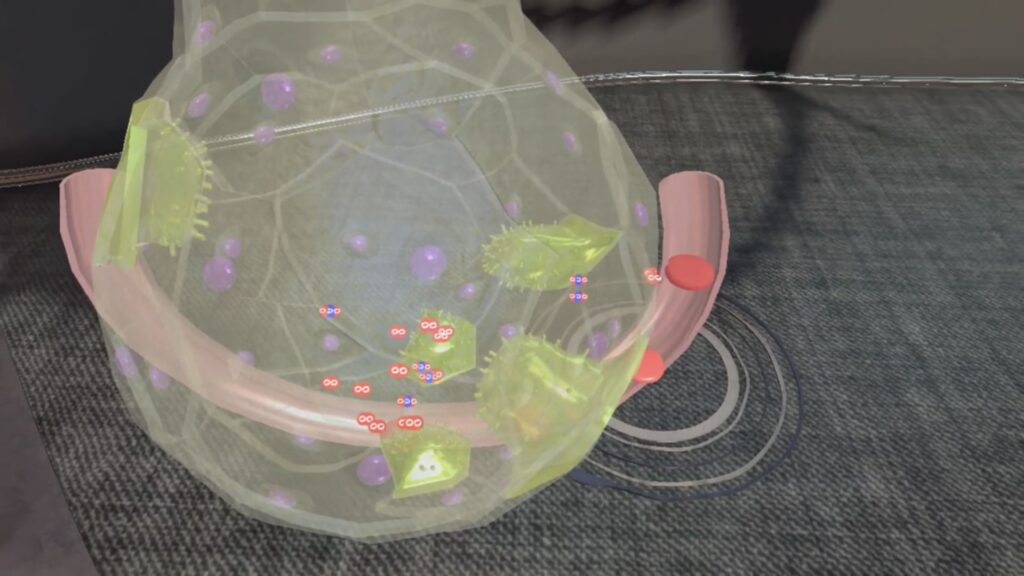
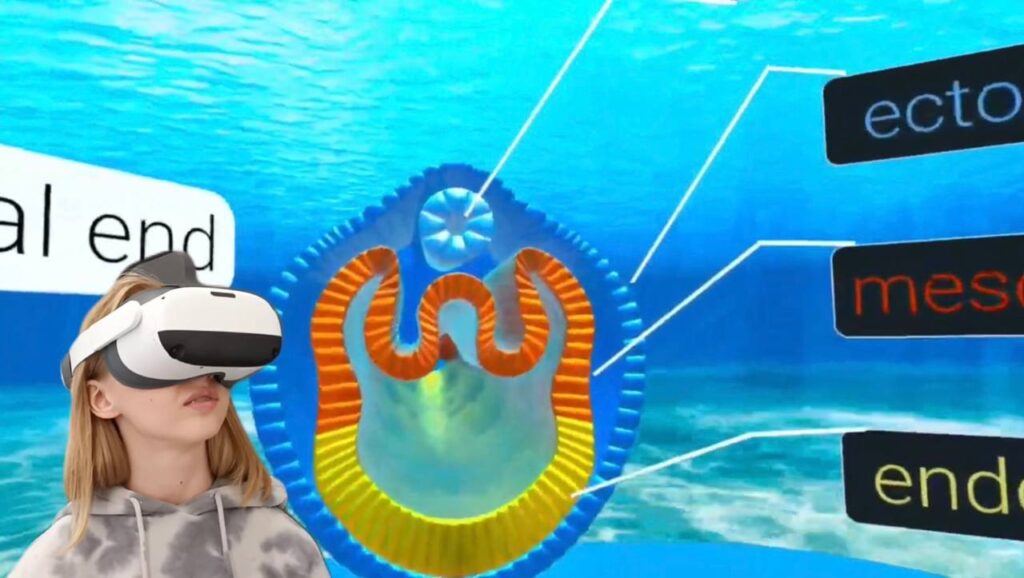
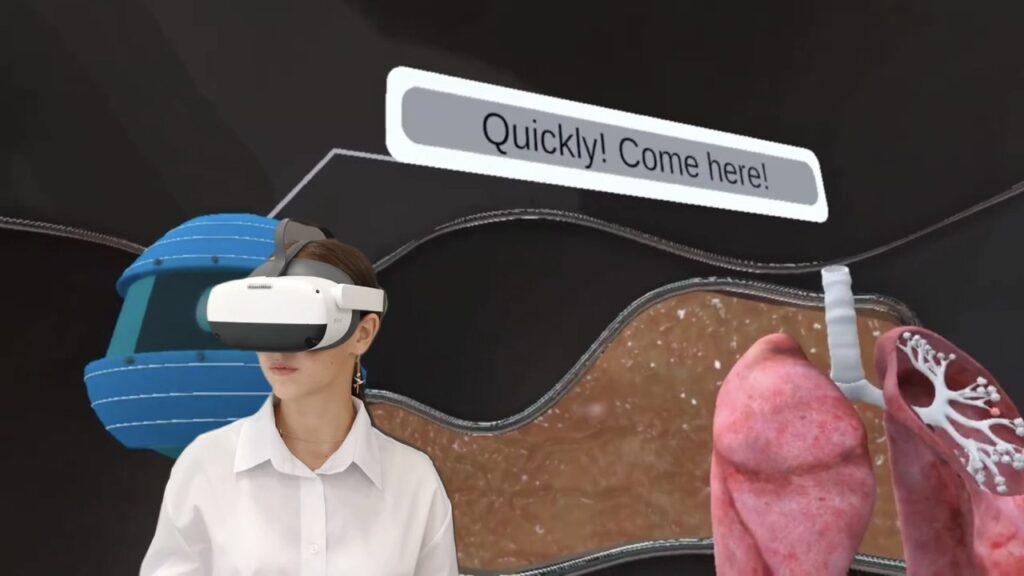
XReady Lab: Gas Exchange in Alveoli VR simulation

VR emphasizes visuals over text, offering an interactive way to explore complex concepts. For example, students can enter a VR chemistry lab to visualize molecules, or take a virtual field trip to historical landmarks, making abstract lessons come to life.

Capturing and Retaining Attention:

With short attention spans, alpha students need lessons that grab their interest quickly. Virtual reality education provides immersive environments that captivate learners, ensuring they remain engaged throughout the lesson.

Seamless Integration of Online and Offline Learning:

Since alpha kids naturally blend their digital and physical worlds, VR for education allows them to experience this same seamless integration during class, whether they’re participating in a STEM lab or engaging in VR learning platforms.

High-Density Information in Short Timeframes:

VR compresses hours of reading into quick, digestible experiences. For example, a VR biology class can teach anatomy through interactive 3D models, offering a comprehensive lesson in just minutes.

Embracing Change: Preparing Schools for the Alpha Generation

While older generations may question the shift toward technology-heavy teaching, the reality is that education must evolve. Alpha students are fundamentally different learners, and the old methods of instruction no longer suit their needs. It’s not that today’s students are better or worse; they are simply growing up in a world that operates at a different pace with different expectations.

Incorporating technologies like VR in education or transforming the classroom into a digital classroom is no longer optional—it’s essential for staying relevant. Adapting to these changes not only benefits students but also prepares them for a future where technology will continue to play a major role in every facet of life.

Inspiring the Future with VR

By recognizing the strengths and needs of the alpha generation, educators can embrace tools that help students thrive. Interactive classrooms, VR learning solutions, and smart classroom technology offer endless possibilities for making education more engaging, interactive, and aligned with how modern students learn.

It’s time to embrace this change, ensuring that the education system keeps pace with the digital world these students are already part of.

Request a demo from XReady Lab to explore the benefits of VR in education and see how you can create an exciting, future-proof learning environment for the alpha generation.

Critical Thinking: A Skill for Success

What is Critical Thinking?

Critical thinking is the ability to analyze and evaluate information objectively and systematically. It involves questioning assumptions, recognizing biases, and making reasoned judgments. This skill empowers individuals to assess situations more thoroughly and make better decisions based on evidence rather than impulse or preconceived notions.

Why Critical Thinking is Crucial for Success

In School: Critical thinking empowers students to move beyond rote memorization and engage deeply with subjects by asking questions, analyzing information, and making connections between concepts. Instead of merely recalling facts, they develop the ability to synthesize information, which fosters a deeper understanding of their studies. This skill is especially valuable in problem-solving, helping students tackle complex assignments and develop innovative solutions.

In Careers: In the workplace, critical thinking is an invaluable skill that enhances decision-making and problem-solving. Employees with strong critical thinking abilities can evaluate situations from multiple perspectives, identify underlying causes, and propose well-considered solutions. This adaptability is essential for career growth and success, as it enables individuals to navigate dynamic professional environments and address challenges creatively.

Beyond Academics and Careers: Critical thinking extends its benefits into everyday life, helping individuals make informed choices in a variety of situations. Whether evaluating the reliability of news sources, weighing ethical decisions, or understanding different viewpoints in social settings, critical thinking allows for reasoned and thoughtful conclusions. This skill promotes discernment, ensuring people don’t accept information at face value but instead assess its credibility and relevance.

What if…?: Ask hypothetical questions like, “What if the environment of the toothless mollusk changed? How would that impact its survival?” This helps children explore possible scenarios and think about consequences, fostering creativity alongside critical thinking.

Why do you think…?: When discussing a decision they’ve made, like choosing what book to read, ask them, “Why do you think that was the best choice?” It pushes them to reflect on their reasoning process and make more informed decisions in the future.

Summary: The key challenge in developing critical thinking lies in guiding children to think for themselves. By consistently asking thoughtful questions, promoting self-reliance in problem-solving, and teaching them to evaluate information critically, children learn to navigate complex issues independently.

Fostering Critical Thinking in Children: Practical Techniques

Ask “Why” and “How” Questions: By asking children open-ended questions like “Why has the population of the toothless mollusk decreased due to uncontrolled fishing?” you encourage them to think critically about real-world applications of the information they learn. This method goes beyond surface-level understanding, helping them explore deeper connections and think analytically.

Promote Problem-Solving: When children face challenges, prompt them to think through solutions rather than providing answers. For example, if a child is often late to school, ask, “How can we ensure you’re on time?” This encourages them to critically assess their actions and devise ways to improve, fostering independence and decision-making skills.

Question Information Sources: In an age of widespread misinformation, teaching children to ask, “How do you know this is true?” is crucial. This approach trains them to evaluate the credibility of information and consider the reliability of the sources they encounter. It’s a valuable technique for fostering discernment in today’s digital world.

Technologies Enhancing Critical Thinking in Schools

XReady Lab: Structure of the Human Eye VR simulation

Technology can play a significant role in developing critical thinking skills. Digital tools and interactive technologies provide students with opportunities for hands-on learning and experimentation. For example:

  • Educational Apps and Software: These can offer simulations and problem-solving scenarios that require students to apply critical thinking skills.
  • Interactive Platforms: Tools that foster collaborative learning and debate encourage students to engage critically with content and each other.

Highlight: The Role of VR in Developing Critical Thinking

XReady Lab: Gas Exchange in Alveoli VR simulation

While this article focuses on critical thinking, it’s worth noting that technologies like VR can also contribute to skill development. VR enables practical experimentation and exploration, allowing students to engage with content in an immersive environment. For example, XReady Lab’s simulation of human eye anatomy provides a detailed, interactive experience that encourages analytical thinking and problem-solving.

Request a Demo

Interested in seeing how interactive technologies can enhance critical thinking in your educational setting? Request a demo from XReady Lab to explore our educational tools and see firsthand how they can support critical thinking development.

Request Your Free Demo Today

Balancing Teacher and Student Needs in VR Education: Who Benefits the Most?

Who Is the Real End User of VR in Education: Students or Teachers?

At XReady Lab, our goal is to design immersive VR simulations that transform STEM learning in secondary school classrooms. But as we develop these virtual reality education tools, we often find ourselves facing a significant dilemma: Who is our true end user — the students or the teachers?

At first glance, it might seem obvious that students are the primary beneficiaries. After all, they are the ones conducting virtual experiments in a STEM lab, exploring virtual reality worlds, and actively engaging in the learning process.

However, teachers are the key facilitators who bring these simulations to life. They not only guide students through the content but also integrate the VR learning platform into their existing curriculum. This dual responsibility makes teachers a crucial audience in the design process as well.

The Balancing Act of VR Content Creation

The challenge lies in striking the right balance. If the VR classroom content is too complex, students might love it, but teachers could struggle to manage the class, especially when handling large groups. On the other hand, simplifying the content too much risks disengaging students, leading to boredom and reducing the interactive learning experience.

At XReady Lab, we know that finding this balance is essential for creating effective VR in education tools. Our development team consists of two core groups:

  • Immersive Experience Designers: These experts from the gaming industry focus on crafting engaging, exciting storylines that capture students’ attention.
  • Educators: These professionals bring their real-world teaching experience, ensuring that the virtual reality learning programs we develop are practical and easy to integrate into traditional classroom settings.

Our goal is to create VR simulations that are not just fun but also easy for teachers to manage. This allows for interactive classroom activities without adding extra challenges to the teacher’s workload.

The Importance of Teacher-Friendly VR Solutions

For VR to become a staple in the modern classroom, it has to meet the needs of both students and teachers. Overly complicated simulations may be overwhelming for teachers who have limited experience with technology. This is why teacher-friendly VR solutions are critical for long-term adoption in schools.

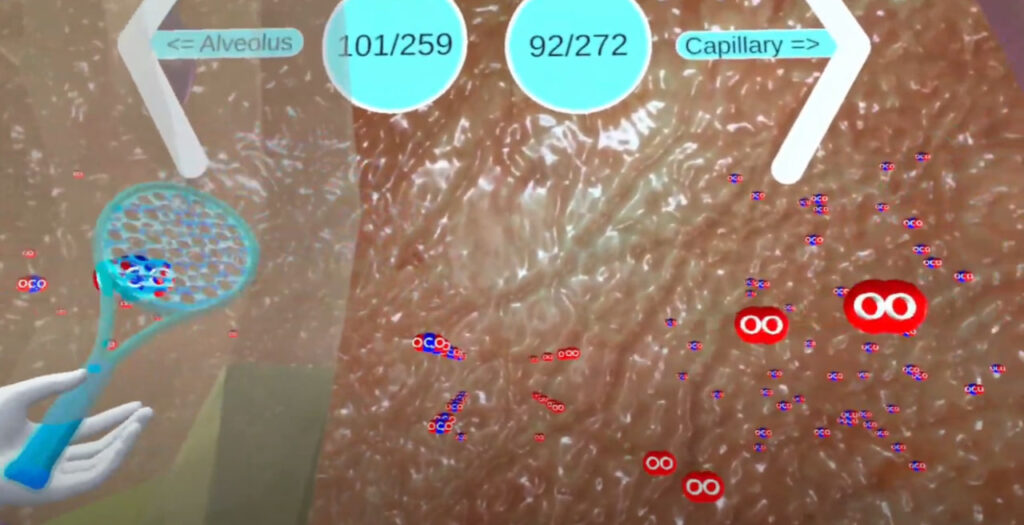
XReady Lab: VR Gas Exchange Laboratory

For example, in one of our VR simulations on gas exchange, students engage in detailed, immersive learning. However, the plot tree is designed in such a way that teachers can still control and oversee the class effectively, ensuring that everyone benefits from the experience.

Request a Demo of Our VR Classrooms

Curious to see how our VR education services can fit into your classroom? Request a free demo today and discover how our solutions can transform both student engagement and teacher facilitation.

Request Your Free Demo Today

Choosing the Right School for Your Child: The Educational Environment Is More Important Than It Seems

As children grow, the environment in which they learn becomes increasingly important. Choosing the right school for your child involves more than just selecting a curriculum; it’s about finding an educational setting that nurtures their curiosity and fosters motivation. While some believe that “You can learn anywhere, it’s all about the desire,” this view is too simplistic. The truth is that a stimulating educational environment can make all the difference in whether a child thrives academically or becomes disengaged.

The Hidden Impact of the Educational Environment

Education today is more flexible and student-centered, which is a huge plus. However, the classroom environment plays a key role in shaping students’ attitudes toward learning. A poor learning space can dampen a student’s enthusiasm, while a supportive one can spark a lifelong love of learning. It’s not just about the teachers or the subjects taught—it’s the overall atmosphere that helps students connect with the material and stay motivated.

How Virtual Reality is Changing the Classroom

One of the most exciting developments in education is the rise of virtual reality (VR) technology. Many schools are now integrating VR classrooms to create dynamic and interactive lessons. Through VR education, students can immerse themselves in engaging experiences, such as:

  • Exploring the human body’s intricate systems
  • Traveling to ancient Rome
  • Interacting with molecular particles in a STEM lab

By turning abstract ideas into hands-on learning, VR learning makes complex subjects more relatable. Virtual reality in education doesn’t just offer cool experiences—it helps bridge the gap between theory and practice, making lessons more memorable.

The Benefits of VR for Students with Low Interest

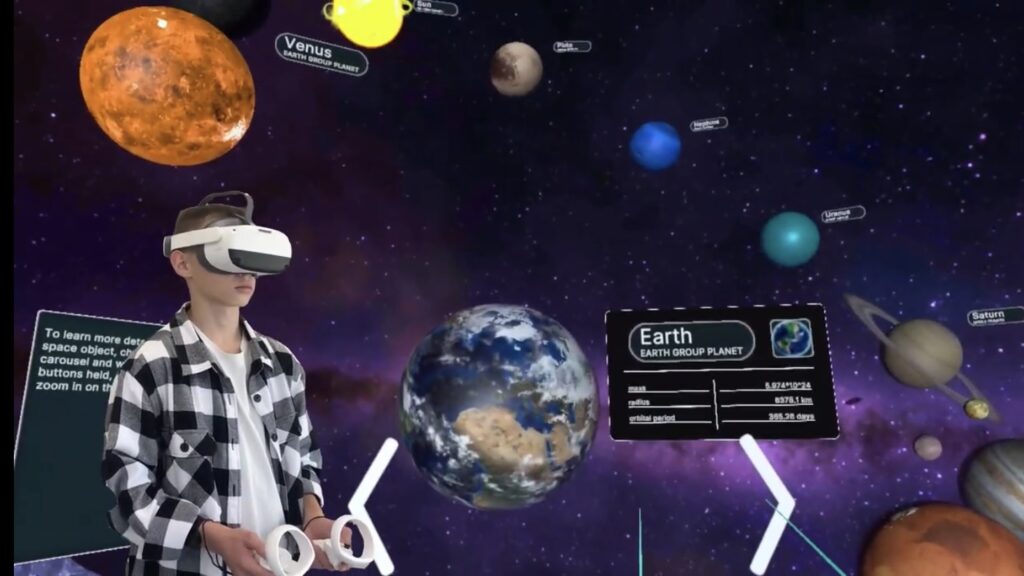
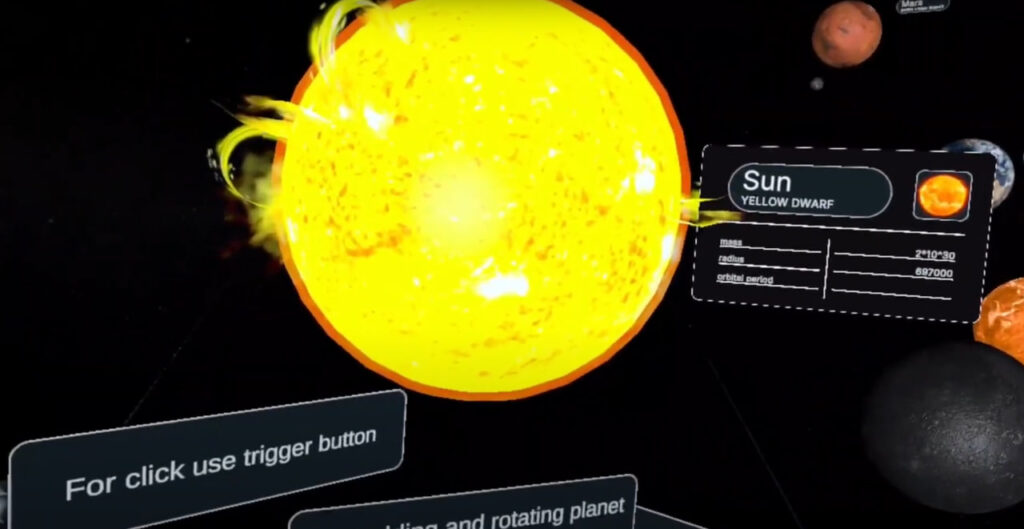
Solar System XReadyLab

Students who are already motivated tend to maintain their focus, but VR in the classroom is especially beneficial for those with lower interest levels. Here’s why:

  1. Engagement: Virtual reality captures attention by creating immersive, story-driven scenarios.
  2. Hands-on learning: Students can experiment, make mistakes, and learn without fear, fostering a deeper understanding of the subject matter.
  3. Confidence boost: As students experience success in these safe environments, their academic confidence and performance improve.

Incorporating VR education into schools offers a way to reach struggling students and reignite their interest in learning.

Engaging Students Through Virtual Reality Learning

In a VR classroom, students don’t just absorb information passively—they become active participants in their own learning journey. Instead of simply reading about historical events or scientific concepts, they can experience them first-hand. Imagine being able to explore the solar system, dissect virtual organisms in VR biology, or conduct in-depth VR chemistry experiments without ever leaving the classroom.

This immersive approach transforms traditional lessons into interactive classroom activities that spark curiosity and engagement. With VR learning, students can take control of their education by interacting with subjects in real-time, exploring concepts at their own pace, and seeing immediate results from their actions.

Furthermore, VR education services allow teachers to create personalized learning experiences, ensuring that each student’s unique interests and learning style are addressed. This tailored approach keeps students excited about learning, helping them retain information and develop a deeper understanding of complex topics. In this way, VR technology truly revolutionizes how we approach education by turning abstract concepts into vivid, engaging experiences.

Transforming Traditional Learning with VR

As technology evolves, so does education. Schools that adopt VR solutions are not just improving engagement; they’re transforming the way students learn. Traditional methods like textbooks and lectures are no longer enough to keep students interested, especially in subjects like STEM. With VR education, students can physically explore concepts, which leads to a deeper understanding of the material.

STEM labs powered by virtual reality learning programs have proven to be particularly effective. By integrating game-like elements such as sounds, rewards, and real-time feedback, VR learning solutions reinforce educational content while keeping students motivated.

For Parents: How VR Enhances the Learning Experience

When considering schools for your child, it’s essential to look at how modern technology is being used to create a digital classroom. Schools that incorporate virtual reality for education offer a more immersive and interactive approach to learning. These tools help bridge the gap between theoretical and practical knowledge, ensuring that students not only understand the material but also enjoy learning it.

The use of VR for education enhances engagement, helps students grasp difficult concepts more easily, and allows them to experiment in ways traditional classrooms cannot. When combined with a positive educational environment, VR in education creates a powerful tool for academic success.

Take Advantage of the Benefits of Virtual Reality in Education

Choosing the right school for your child involves evaluating more than just the curriculum. The integration of smart classroom technology like VR plays a crucial role in fostering curiosity and motivating students. Schools that use VR for schools can offer your child a unique opportunity to interact with the material in ways that engage both their intellect and imagination.

To learn more about how virtual reality in education and training can help your child succeed academically, visit our blog or request a free demo of our educational VR apps and solutions. Let us show you how VR classrooms can transform the way your child learns and help them reach their full potential.

Request Your Free Demo Today

Unlocking the Power of Play: How Game Reflexes Enhance Learning and Development in VR Education

As children grow, their play becomes more complex. By 7-8 months, play takes on an educational role, helping infants interact meaningfully with the world. By 1.5 years, play evolves further, involving parents and caregivers. It becomes a tool for learning social norms, language, and problem-solving skills. This early stage is only the beginning—play remains vital throughout childhood.

The Role of the Nervous System in Play

The nervous system, through unconditional and conditioned reflexes, controls our responses to stimuli. Play reflexes, when channeled into structured activities, offer a safe environment. In this setting, children explore the world, test boundaries, and develop new skills. These interactions not only teach about the environment but also build social skills and creativity, fostering lifelong learning.

VR: Merging Play and Learning in Education

XReady Lab: Gas Exchange VR simulation

Incorporating play into education is powerful, and Virtual Reality (VR) takes it to the next level. VR creates an immersive, interactive environment, making learning engaging and effective. At XReady Lab, we’ve harnessed VR to develop interactive simulations for middle school STEM learning.

Our VR simulations make learning enjoyable and educational. By integrating game elements like sounds, rewards, and levels, we capture students’ attention. This approach also reinforces educational content through repetition and engagement. These mechanics help build conditioned reflexes—responses learned through repeated exposure. As a result, students stay focused and interested during lessons.

The Importance of Game-Based Learning

It’s essential to distinguish between gaming with learning elements and learning with game elements. Both have their place but serve different purposes. In middle school, where cognitive abilities are developing, game-based learning proves particularly effective. This method engages students while reinforcing the material in a fun way. VR facilitates this by offering a dynamic, interactive platform where students immerse themselves in the subject matter.

In a VR classroom, students don’t just receive information passively. They participate actively in their learning journey, crucial for understanding complex concepts. Whether they’re exploring the human body in a virtual biology lab or solving problems in a VR space, the possibilities are vast. VR lets students experiment, make mistakes, and learn in a supportive environment, boosting confidence and a love of learning.

Transforming Education with VR

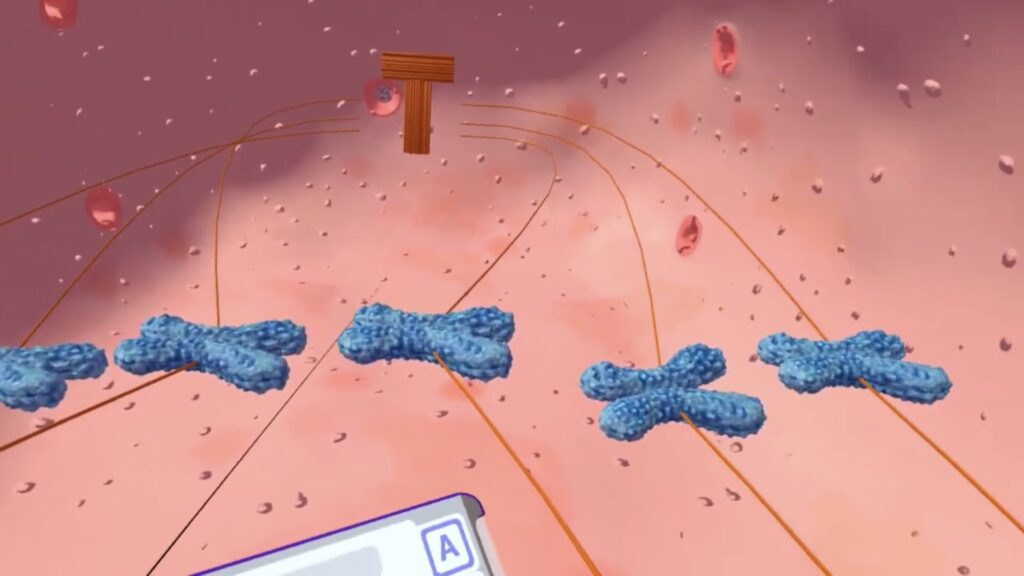
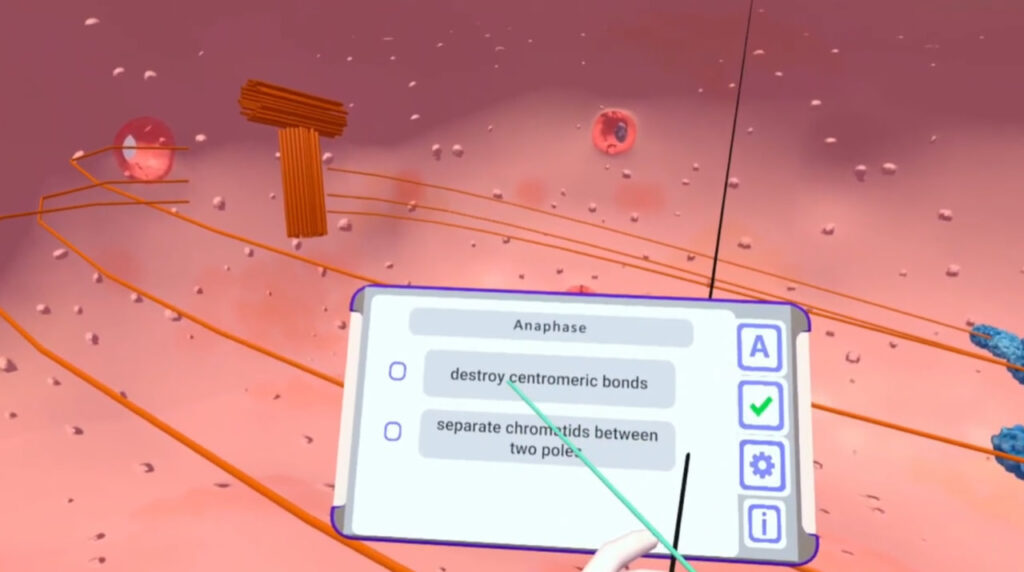
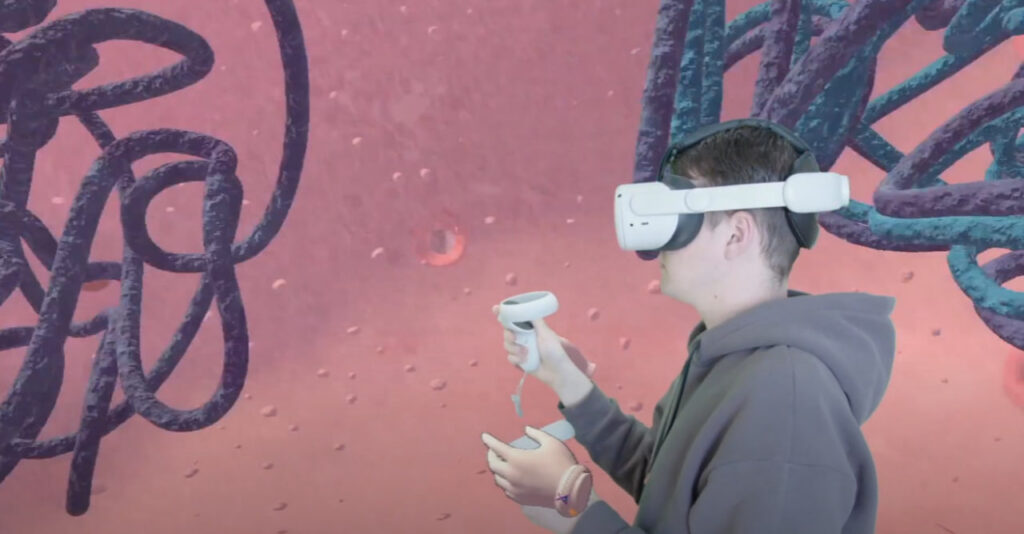
XReady Lab Cell Division – Mitosis

Education is evolving, and technology will play a larger role in classrooms. VR offers unmatched opportunities for enhancing traditional teaching, engaging students, and deepening their understanding. By combining VR with play-based learning, educators create a tool that not only educates but also inspires.

At XReady Lab, we aim to push educational boundaries. Our VR simulations aren’t just supplements—they’re transformative tools that can change how students learn. By incorporating VR into your curriculum, you provide an experience that’s educational and unforgettable.

Request a Demo

See how XReady Lab’s VR simulations can transform your classroom. Visit our demo request page for a free demo of our educational apps. Discover how VR can change the way your students learn. Whether you focus on STEM subjects or others, our VR solutions offer a dynamic learning experience.

Request Your Free Demo Today


Top 5 VR Education Apps for STEM: XReady Lab’s Expert Picks

In the rapidly evolving landscape of education, Virtual Reality (VR) has emerged as a game-changer, particularly in STEM subjects. As a leading VR education company, XReady Lab is at the forefront of this revolution, constantly exploring and developing innovative VR education software. Today, we’re excited to share our top picks for VR education apps that are transforming STEM classes and redefining what a science lesson can be.

How Can VR Be Used in Education?

Before we dive into our top picks, let’s briefly explore how VR is reshaping education. VR provides immersive, interactive experiences that bring abstract concepts to life. It offers safe environments for virtual school experiments, enables virtual field trips, and allows students to manipulate 3D models of complex systems. This technology is particularly powerful for science experiment lesson plans, offering practical lessons that engage students in ways traditional methods simply can’t match.

Top 5 VR Education Apps for STEM Classes

XReady Lab Eduverse: STEM Visualization Reimagined

As a leading VR education company, we’re proud to include our own Eduverse in this list. Our platform offers unparalleled visualization of scientific concepts across STEM subjects. Students can interactively work at the cellular level, manipulate lasers and elementary particles, and even journey inside the human body. With XReady Lab’s Eduverse, science becomes tangible in ways traditional learning can’t match. Ready to revolutionize your STEM classes?

Request a free demo of our VR education apps here and experience the future of learning!


Ocean Rift: Dive into Marine Biology

Ocean Rift VR

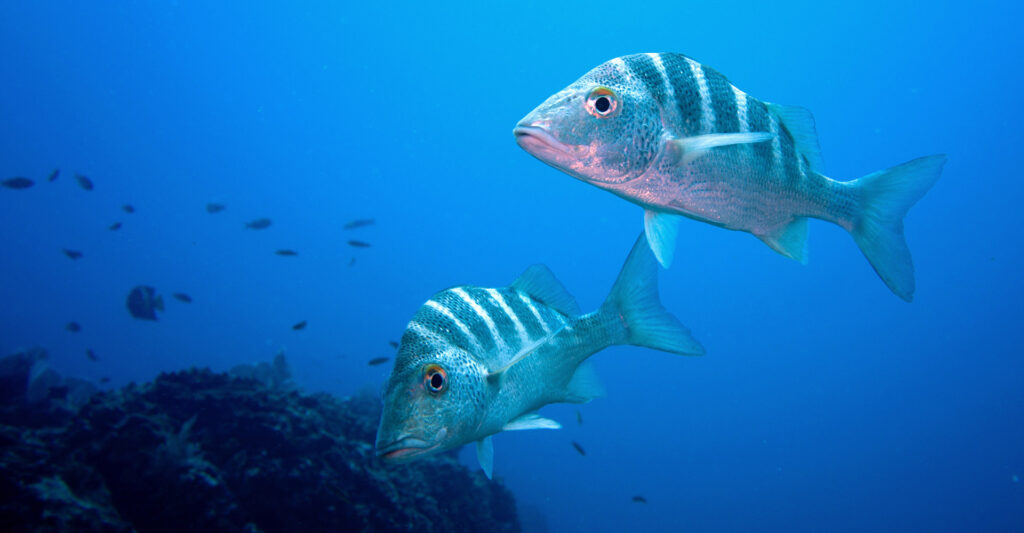
Ocean Rift transforms biology lessons into underwater adventures. Students can explore 14 diverse marine habitats, encountering various species from dolphins to prehistoric creatures. The education mode provides narrated information points, making it an excellent tool for geography and Earth science lessons too.


Star Chart: Voyage Through the Cosmos

Star Chart VR

Perfect for physics and astronomy classes, Star Chart offers a real-time simulation of the night sky. Students can explore the Solar System, witness celestial events, and even walk on the Moon’s surface. It’s an ideal complement to any astronomy-focused science lesson plan.


Molecule Builder: Chemistry in 3D

Molecule Builder VR

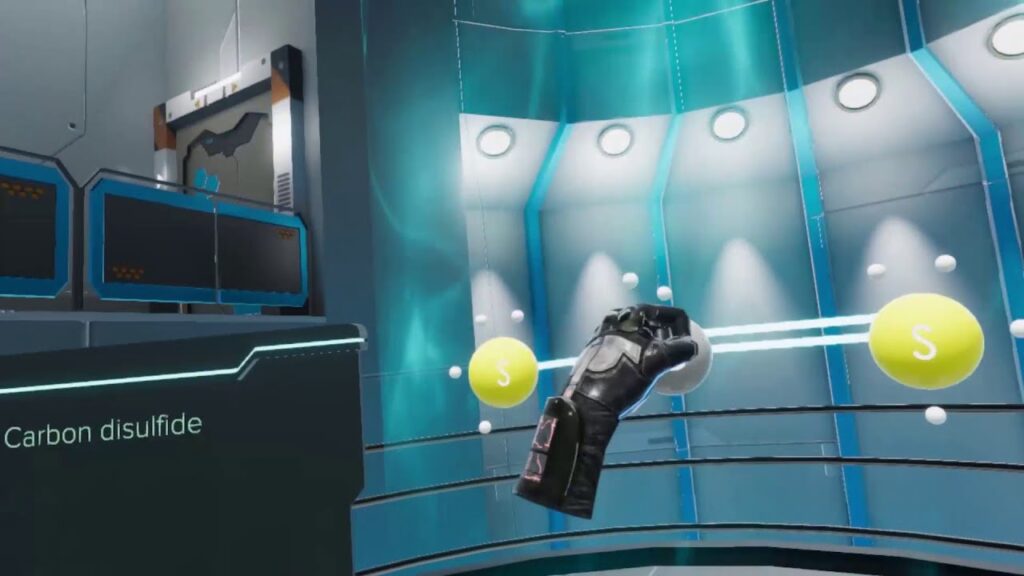
This interactive app brings chemistry to life, allowing students to build 3D molecules and predict their geometry. It’s a fantastic tool for practical lessons in chemical bonding and molecular structure, reinforcing textbook concepts through hands-on virtual experiences.


Dissection Simulator: Frog Edition

Dissection Simulator: Frog Edition VR

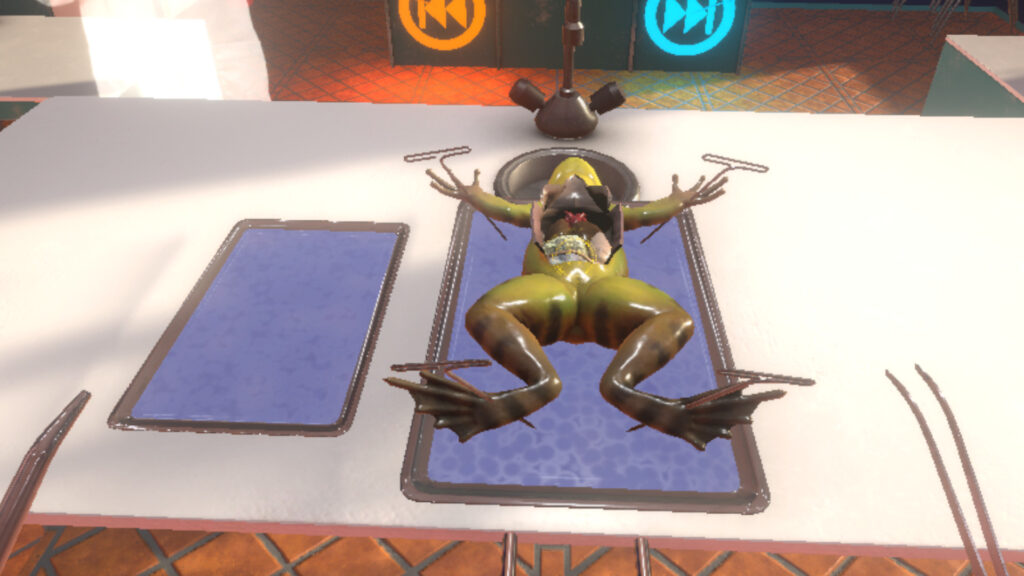
For biology classes, this app offers a realistic, ethical alternative to traditional dissections. Guided by a holographic teacher, students can perform every step of a frog dissection, making it an excellent addition to any biology science lesson plan template.

What Are Some Practical Reasons for Learners to Participate in VR Lessons?

VR education games and apps offer compelling benefits for modern learners. They provide immersive experiences that significantly increase engagement and retention of complex concepts. VR creates safe environments for conducting potentially dangerous experiments, allowing students to explore scenarios impossible in traditional classrooms.

Abstract STEM concepts become tangible in VR, with students able to interact with 3D models and walk through virtual environments. This hands-on approach reinforces learning through physical engagement. VR also enables personalized learning, adapting to individual paces and catering to different learning styles.

The technology enhances spatial understanding, crucial in many STEM fields, and increases motivation through interactive, gamified experiences. VR bridges the gap between theory and practice, preparing students for real-world challenges. It also promotes collaborative learning in shared virtual spaces and makes educational experiences more accessible, regardless of physical or geographical limitations.

By transforming passive learning into active, engaging experiences, VR inspires curiosity and drives deeper understanding in STEM subjects, preparing learners for future challenges in these fields.

How Is VR Used in Education?

VR is transforming education by:

  • Providing virtual laboratories for school experiments
  • Enabling virtual field trips to inaccessible locations
  • Offering interactive 3D models of complex systems
  • Simulating real-world scenarios for problem-solving practice
  • Making abstract concepts tangible and easier to understand

Conclusion: The Future of STEM Education

As these examples demonstrate, VR education services are reshaping what a science lesson can be. From diving into ocean ecosystems to manipulating molecules and exploring the cosmos, VR offers unparalleled opportunities for engaging, interactive learning.

At XReady Lab, we’re committed to pushing the boundaries of VR in education. Our Eduverse platform is designed to complement and enhance traditional science lesson plans, offering short, impactful experiences that align with curriculum standards.

Ready to take your STEM classes to the next level? Don’t miss out on the opportunity to transform your teaching with our free VR education apps. Click here to request a demo and discover how XReady Lab can revolutionize your science experiment lesson plans today!

XReady Lab VR Mitosis: Boosting Complex Biology Learning Through Motor Memory and Active Participation

The Challenge of Teaching Mitosis in High School Biology

Mitosis stands as one of the most intricate and challenging topics in high school biology curricula. This complexity stems from two primary factors:

  1. Multi-stage process: Students must grasp and remember the events occurring at each distinct stage of mitosis.
  2. Microscopic scale: As a cellular-level process, mitosis cannot be directly observed in everyday life, making it abstract and difficult to conceptualize.

The process of mitosis is a cornerstone of biology education, essential for understanding cell division, growth, and reproduction. However, its complexity often leaves students struggling to fully comprehend and retain the information.

Traditional Teaching Methods and Their Limitations

Typically, biology teachers rely on static images or microscope slides to illustrate the stages of mitosis. However, this method has significant drawbacks:

  • Time constraints: The actual process of mitosis takes several hours, far longer than any practical classroom observation period.
  • Passive learning: Students often struggle to engage with two-dimensional representations or brief glimpses through a microscope.
  • Lack of interactivity: Traditional methods offer limited hands-on experience with the cellular structures involved in mitosis.

Experienced educators consistently report that students face considerable difficulties mastering this crucial biological concept using conventional teaching methods. This is where innovative vr education apps and vr education software can make a significant difference.

Revolutionizing Mitosis Education with XReady Lab VR 

As a leading vr education company, XReady Lab has developed a groundbreaking VR Mitosis simulation that transforms this challenging topic into an engaging, interactive experience. Our vr education services leverage cutting-edge technology to create immersive learning environments that address the question: “How can VR be used in education?”

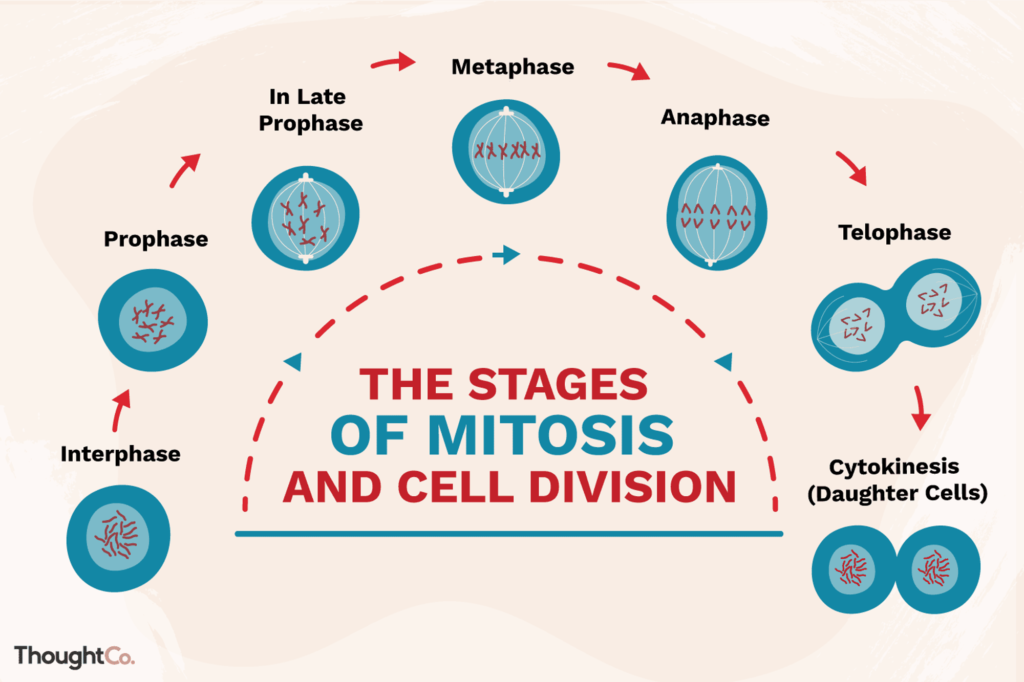
ThoughtCo. “The Stages of Mitosis and Cell Division”

Here’s how VR is used in education to enhance the learning of mitosis:

Active Participation Instead of passively viewing static images, students become active participants in the mitotic process. They perform key actions such as:

  • Replicating DNA
  • Forming the mitotic spindle
  • Aligning chromosomes

This hands-on approach turns a theoretical concept into a practical lesson, addressing the need for secondary school experiment ideas that engage students more effectively.

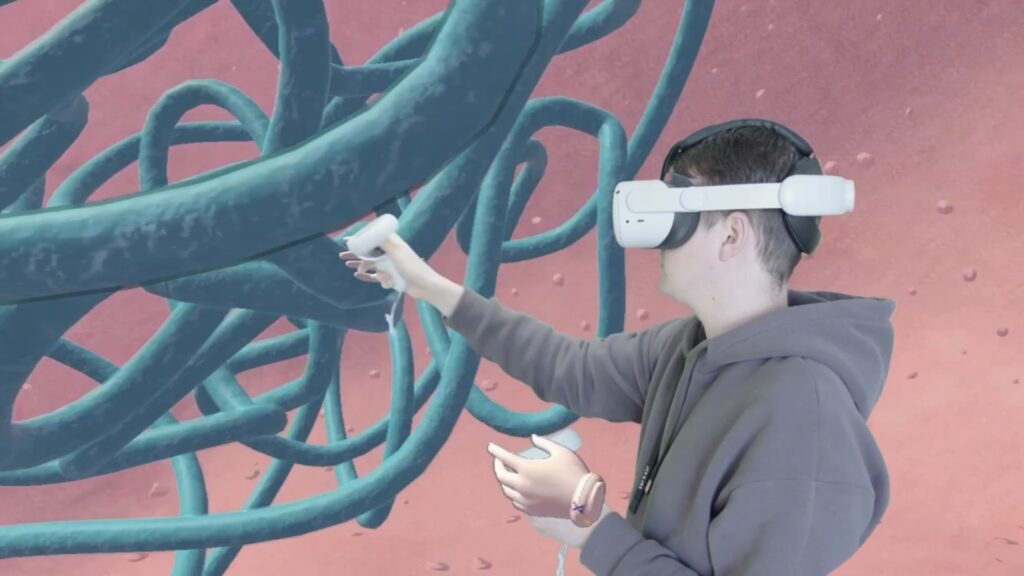
Motor Memory Enhancement Our simulation leverages motor memory to reinforce learning. Rather than simple clicks, students perform actions that mimic actual cellular processes. For example:

  • To form the bipolar spindle, students physically grab and move the centrosome to the opposite pole of the cell.
  • Chromosomes are manually aligned along the metaphase plate.

This approach creates a stronger connection between the concept and the physical action, aiding in long-term retention and providing practical reasons for learners to participate in the lesson.

Safe Experimentation and Exploration VR provides a safe environment for students to conduct a school experiment without the risks or limitations of a physical lab. As they progress through each stage, students receive a checklist of upcoming events, encouraging independent exploration of cellular structures.

Mitosis Checklist

This checklist serves as a science lesson plan template, guiding students through the process while allowing for self-paced learning.

Personalized Learning Experience Each student independently performs all events within the simulation. This personal involvement allows them to recount the process in their own words: “I doubled the DNA.” “I broke down the nuclear envelope.” “I moved the chromosomes to the center.”

This first-person narrative reinforces understanding and helps students internalize the complex sequence of mitotic events, transforming a theoretical science lesson plan into an immersive, memorable experience.

The Benefits of VR in Mitosis Education

XReady Lab’s VR Mitosis simulation offers numerous advantages over traditional teaching methods:

  1. Immersive Learning Environment: Students are transported into a 3D cellular world, making abstract concepts tangible and easier to understand.
  2. Interactive Engagement: Unlike passive learning from textbooks, VR allows students to manipulate cellular components, fostering a deeper understanding of their functions and relationships.
  3. Visualization of Microscopic Processes: VR bridges the gap between theoretical knowledge and visual understanding by allowing students to observe and interact with cellular structures at a scale impossible in real life.
  4. Customized Learning Pace: Students can progress through the stages of mitosis at their own speed, revisiting complex concepts as needed.
  5. Immediate Feedback: The simulation provides real-time feedback on students’ actions, allowing for immediate correction and reinforcement of correct procedures.
  6. Enhanced Retention: The combination of visual, auditory, and kinesthetic learning in VR leads to improved information retention compared to traditional methods.

Integrating VR into Your Biology Curriculum

Incorporating XReady Lab’s VR Mitosis simulation into your science lesson plan is straightforward and can significantly enhance your teaching effectiveness. Here’s how you can integrate this tool into your biology curriculum:

  1. Introduction to Mitosis: Use the VR simulation as an engaging introduction to the topic, allowing students to explore the cellular environment before diving into detailed explanations.
  2. Reinforcement of Concepts: After teaching the theoretical aspects of mitosis, use the VR experience to reinforce learning and clarify any misconceptions.
  3. Practical Assessment: Utilize the simulation as a form of practical assessment, observing how students navigate through the stages of mitosis and interact with cellular components.
  4. Review and Revision: Before exams or assessments, allow students to revisit the VR experience to review the stages of mitosis in an engaging manner.
  5. Extension Activities: Use the VR experience as a springboard for further discussions, group activities, or research projects related to cell division and genetics.

Measurable Improvements in Learning Outcomes

Early adopters of XReady Lab’s VR Mitosis simulation report significant improvements in student engagement and comprehension. Teachers observe:

  • Increased retention of key concepts
  • Better understanding of the sequential nature of mitosis
  • Improved ability to describe and explain the process
  • Higher scores on mitosis-related test questions
  • Greater enthusiasm for biology and cellular processes

These improvements demonstrate the power of vr education games in transforming abstract concepts into engaging, memorable learning experiences.

Beyond Mitosis: Expanding VR in Biology Education

While our Mitosis simulation is a flagship product, XReady Lab is committed to developing a comprehensive suite of vr education apps for biology and other sciences. Future simulations may include:

  • Meiosis and genetic recombination
  • Photosynthesis and cellular respiration
  • Protein synthesis and gene expression
  • Ecosystem dynamics and food webs

By expanding our offerings, we aim to revolutionize how students engage with complex biological concepts across the curriculum.

Experience the Future of Biology Education

We invite you to explore the future of science education with XReady Lab’s VR Mitosis simulation. Visit our demo request page to access our free VR education apps and discover how they can revolutionize the way your students learn biology.

Don’t just explain mitosis—let your students experience it firsthand. With XReady Lab’s VR simulations, you’re not just teaching biology; you’re inspiring the next generation of scientists, researchers, and innovators.

Request Your Free Demo Today

Conclusion: The Future of Biology Education is Here

As we continue to push the boundaries of educational technology, VR stands out as a transformative tool for teaching complex scientific concepts. XReady Lab’s VR Mitosis simulation is just the beginning of a new era in biology education – one where students don’t just learn about cellular processes, but experience them firsthand.

By incorporating our VR simulations into your curriculum, you’re not only enhancing your science lesson plans but also equipping your students with the skills and understanding they need to excel in an increasingly technological world.

Don’t let your students miss out on this revolutionary learning experience. Embrace the future of biology education with XReady Lab’s VR simulations and watch as your students’ understanding and enthusiasm for science soar to new heights.

XReady Lab Revolutionizes Education: World’s Largest VR Education Project on a National Scale

In an unprecedented move that’s set to transform education, XReady Lab is proud to announce its participation in the world’s largest XR (Extended Reality) education project to date. This initiative, launched by the Flemish government in 2022, is revolutionizing how VR is used in education on a massive scale.

Understanding XR in Education

Before we delve into the details, let’s clarify what XR means. Extended Reality encompasses Virtual Reality (VR), Augmented Reality (AR), and Mixed Reality (MR). In this groundbreaking project, XReady Lab’s VR education software plays a crucial role in bringing immersive learning experiences to students across Belgium.

The Largest XR Education Project in the World

The scale of this initiative is truly impressive:

  • 700 Belgian schools equipped with turnkey technology solutions
  • 150,000 students gaining access to cutting-edge VR education apps
  • Comprehensive support for schools to integrate XR technology

XReady Lab’s selection as a content provider in mid-2024 for this massive project is a testament to the quality and effectiveness of our VR education services. Students will start using our simulations in the upcoming school year, marking a new era in science lesson plans and practical lessons.

How XReady Lab is Transforming Education

Our role in this groundbreaking project focuses on providing immersive VR education games and simulations for biology and physics. These applications offer students unique opportunities to engage with complex scientific concepts in ways never before possible. Here are some examples of what students will experience:

Gas Exchange (Biology):

Gas Exchange VR App

Students can explore the human respiratory system at a cellular level, witnessing the process of gas exchange in real-time. This simulation allows learners to:

  • Explore lung anatomy in detail
  • Witness the intricate process of breathing
  • Delve into cellular-level gas exchange

Gamified elements make learning biology engaging and memorable, stimulating active student participation. Learning objectives:

  • Learn the features of the gas exchange surface
  • Understand the process of gas exchange between blood and air
  • Identify elements involved in this process
  • Test knowledge through interactive games

Watch Demo

Solar System (Physics):
VR SPACE: SOLAR SYSTEM
Learners can travel through space, exploring planets and understanding gravitational forces interactively. This VR experience allows students to:

  • Visit planets like Mars, Jupiter, and Saturn
  • Experience different gravitational forces
  • Learn about space travel essentials
  • Construct their own space suit interactively

Students can step into an astronaut’s shoes, explore the cosmos, and uncover new corners of space.
Watch Demo

Mitosis (Biology):

Mitosis Laboratory

Witness cell division up close, with the ability to pause, rewind, and examine each stage in detail. This VR biology simulation on cell division is the perfect tool for students and educators alike, offering:

  • Immersive visuals of the complex process of cell division
  • Interactive features that textbooks cannot replicate
  • An engaging and informative experience that leaves a lasting impression

Watch Demo


These VR education apps are compatible with a range of VR equipment, including:

  • Meta Quest
  • Meta Quest 2
  • Meta Quest Pro
  • Pico Neo 3
  • Pico 4

By integrating these immersive simulations into science experiment lesson plans, we’re revolutionizing what is a science lesson. These virtual school experiments provide safe, interactive environments for students to explore complex concepts, making abstract ideas tangible and engaging.

The Impact on Science Education

By integrating our VR simulations into their science experiment lesson plans, teachers can offer students:

  • Safe virtual school experiments that might be dangerous or impossible in a physical lab
  • Interactive 3D models that make abstract concepts tangible
  • Engaging school lesson pro games that make learning fun and memorable

This approach to what is a science lesson is revolutionizing education, making complex topics more accessible and engaging for students of all learning styles.

Why VR in Education Matters

VR in education offers numerous benefits:

  1. Immersive learning experiences
  2. Enhanced student engagement
  3. Improved retention of information
  4. Development of critical thinking skills
  5. Preparation for future tech-driven careers

These advantages make VR an invaluable tool for creating effective science lesson plan strategies and enriching secondary school experiment ideas.

Join the VR Education Revolution

The success of this large-scale initiative in Belgium demonstrates the transformative power of VR in education. As a trusted VR education company, XReady Lab is at the forefront of this educational revolution. We invite educators worldwide to experience the power of our VR simulations firsthand.

Visit our demo request page to try our free VR education apps and see how they can enhance your science lessons.

Conclusion

XReady Lab’s participation in this groundbreaking project marks a significant milestone in educational technology. As we prepare to launch our simulations in Belgian schools for the upcoming academic year, we’re excited about the potential to expand this model globally.

By embracing VR technology in education, we’re not just changing how students learn – we’re preparing them for a future where digital literacy and technological fluency are crucial skills. Join us in revolutionizing education and unlocking the full potential of every student through the power of immersive learning.

Top 5 VR Education Apps Revolutionizing K-12 Learning

Virtual reality (VR) has transcended its role as a futuristic concept to become a powerful tool in both entertainment and education. This article explores how VR education apps are transforming K-12 learning experiences across various subjects, with a special focus on STEM education.

The Necessity of VR in Modern Education

Traditional education, while valuable, often struggles to provide immersive, hands-on experiences for students, especially in subjects that deal with abstract concepts or potentially dangerous experiments. This is where VR education software steps in, offering unique advantages:

  1. Immersive Learning Environments: VR transports students into interactive 3D worlds, making abstract concepts tangible and engaging.
  2. Safe Experimentation: Virtual school experiments allow students to explore dangerous or costly scenarios without real-world risks.
  3. Accessibility: VR can bring experiences to students that would be impossible or impractical in traditional settings, such as exploring the inside of a cell or visiting historical sites.
  4. Personalized Learning: VR apps can adapt to individual learning paces and styles, offering a tailored educational experience.

Gamification in VR Education

Many VR education games incorporate gamification elements, which research has shown to significantly boost engagement and learning outcomes. A study published in the Journal of Educational Technology & Society found that gamified VR learning experiences resulted in a 23% increase in student engagement and a 20% improvement in information retention compared to traditional methods.

How VR is Used in Education

How can VR be used in education to enhance learning experiences? Here are some practical applications:

  1. Virtual Field Trips: Students can explore historical sites, ecosystems, or even outer space.
  2. Interactive Simulations: Complex scientific processes can be visualized and manipulated in 3D.
  3. Skill Practice: Students can practice skills in a safe, controlled environment before applying them in real-world situations.

Top 5 VR Education Apps Revolutionizing K-12 Learning

1. XReady Lab STEM Eduverse

Subject: STEM

XReady Lab STEM Eduverse offers immersive STEM learning experiences through virtual experiments and interactive tutorials.

🏫 School Utility:

  • 5-15 minute simulations per topic
  • 75 languages available
  • Adaptable to IB, Cambridge, CBSE, and other curricula
  • Perfect for secondary school experiments

💵 Pricing: $500/year for 2 subjects (biology + physics)

🆓 Get a free demo


2. Noun Town Language Learning

Subjects: Japanese, Korean, Chinese, Spanish, French, German, Italian

Immersive language learning through realistic virtual scenarios and mini-games.

🏫 School Utility:

  • Practice in virtual real-world environments
  • Helps overcome language barriers

💵 Pricing: $14.99 with free trial


3. Enhance VR

Subject: Cognitive Skills

Neuroscientist-designed mini-games for cognitive skill development.

🏫 School Utility:

  • Suitable for all grade levels
  • Integrates with extracurricular activities

💵 Pricing: Free


4. Anne Frank House VR

Subject: History

An emotional journey through Anne Frank’s hiding place during World War II.

🏫 School Utility:

  • 15-minute duration fits easily into lessons
  • Enhances World War II understanding

💵 Pricing: Free


5. Zoe VR

Subjects: Art, Design

Create interactive 3D scenes, fostering creativity and collaboration.

🏫 School Utility:

  • Versatile for various K-12 projects
  • Supports team-building

💵 Pricing: Free

What is a Practical Lesson in VR?

Cell division: mitosis

A practical lesson in VR goes beyond traditional hands-on activities. It’s an immersive experience where students can interact with virtual objects and environments, conduct experiments, and solve problems in ways that might be impossible in a physical classroom. This addresses the question, “What are some practical reasons for learners to participate in the lesson?” by offering engaging, interactive experiences that make abstract concepts concrete and memorable.

Science Lesson Plans and VR

Integrating VR into science lesson plans can transform how students learn complex topics. A science lesson plan template incorporating VR might include:

  1. Pre-VR introduction to the topic
  2. VR exploration or experiment
  3. Post-VR discussion and assessment

This structure ensures that VR enhances rather than replaces traditional teaching methods.

Spotlight on STEM: XReady Lab

As a leading VR education company, we at XReady Lab specialize in creating immersive STEM experiences. Our STEM Eduverse offers:

  • Curriculum-aligned content for biology and physics
  • Short, easily integrated simulations (5-15 minutes per topic)
  • Support for 75 languages and various curricula

We invite educators to explore how our VR education services can enhance their science experiment lesson plans. Visit our demo request page to experience our free VR education apps firsthand.

Conclusion

At XReady Lab, we believe VR is not just a technological novelty but a powerful educational tool that significantly enhances learning experiences across various subjects. By offering immersive, interactive, and safe environments for exploration and experimentation, we’re setting new standards for what a school lesson can be.

For educators looking to integrate VR into their teaching, our apps offer a range of options tailored specifically for STEM subjects. As VR technology continues to evolve, we’re committed to developing even more innovative applications in education, further bridging the gap between theoretical knowledge and practical experience.

We emphasize that our goal in incorporating VR into education is not to replace traditional methods but to enhance them. We’re dedicated to creating more engaging, effective, and memorable learning experiences for students of all ages through our cutting-edge VR solutions.

Enhancing Classroom Engagement: From Traditional Techniques to VR Education Software

Student engagement is a critical factor in successful learning. In today’s dynamic educational landscape, teachers often face the challenge of students who consistently disengage during school lessons. While it’s normal for a child to occasionally lose interest in a specific topic, systematic disengagement can be a cause for concern. This article explores practical strategies to re-engage students and enhance their participation, with a special focus on how VR education apps and VR education software can revolutionize the learning experience and boost student engagement.

Traditional Strategies for Boosting Engagement

1. Strategic Seating Arrangements

One simple yet effective strategy is to move a disengaged student to the front of the class. This can work for several reasons:

  • Increased teacher attention can spark interest
  • Direct eye contact with the teacher may encourage active participation
  • The student may feel more accountable and less able to “hide” during lessons

2. Personalized Approach to Learning

Disengagement can affect both high-performing and struggling students if the lesson’s difficulty doesn’t match their level. Teachers can address this by:

  • Preparing a range of tasks at varying difficulty levels
  • Offering challenging projects for advanced students
  • Providing scaffolded assignments for those who need extra support

3. Directed Questions

Regularly asking specific students questions can keep them alert and engaged. This technique addresses the question: “What are some practical reasons for learners to participate in the lesson?” By anticipating being called upon, students are more likely to stay focused and actively participate.

4. Structured Note-Taking

Encouraging and monitoring note-taking can significantly boost engagement. Teachers should provide guidance on effective note-taking techniques and explain how it contributes to better understanding and retention.

The Importance of Adaptability and Positive Reinforcement

Remember, there’s no one-size-fits-all solution. Teachers should be prepared to adapt their strategies and seek advice from colleagues when needed. Positive reinforcement is crucial when a strategy successfully improves a student’s attention.

Leveraging Technology: The VR Revolution in Education

While traditional methods are valuable, VR offers a revolutionary way to engage students. Let’s explore how VR can be used in education to boost engagement:

1. Immersive Learning Experiences

VR transports students into interactive, 3D environments, making abstract concepts tangible and exciting. This is particularly useful for secondary school experiment ideas and school experiments that might be too dangerous or costly to perform in real life.

2. Practical Application

VR enables students to conduct virtual experiments safely, bridging the gap between theory and practice. This addresses the question “What is a practical lesson?” by providing hands-on experiences in a virtual environment.

3. Storytelling and Gamification

Many VR education games and school lesson pro games use narrative elements and game mechanics to make learning more engaging and fun. This approach can transform dry topics into exciting adventures, boosting motivation and retention.

Implementing VR in the Classroom

How is VR used in education today? Many schools are incorporating VR into their science lesson plans, allowing students to explore complex concepts in an interactive way. When implementing VR, consider:

  • Starting with short, focused VR sessions
  • Aligning VR content with curriculum objectives
  • Providing pre- and post-VR activities to maximize learning

Teachers can use a science lesson plan template to integrate VR experiences seamlessly into their existing curriculum.

Choosing the Right VR Education Solution

For teachers looking to incorporate VR into their lessons, many VR education companies offer solutions tailored to educational needs. When selecting a VR education provider, consider:

  • Alignment with curriculum standards
  • Ease of use for both teachers and students
  • Technical support and training offered

VR education services can provide valuable resources and support for teachers new to this technology.

What is a Science Lesson Plan?

A science lesson plan is a detailed guide for teachers that outlines the objectives, activities, and assessments for a specific science topic. When incorporating VR, the lesson plan should include:

  • Pre-VR activities to introduce the topic
  • The VR experience itself, with clear learning goals
  • Post-VR discussions and assessments to reinforce learning

Experience VR Education Firsthand

We invite educators to experience the power of VR in education firsthand. Visit https://xreadylab.com/request-demo-page/ to request a free VR education app demo. Even if you don’t have VR hardware, we can arrange a desktop version to showcase our educational content.

Read more:

The Intersection of VR and AI in the Future of School Education

Conclusion: A Blended Approach to Student Engagement

In conclusion, while traditional engagement strategies remain valuable, the integration of VR technology offers exciting new possibilities for creating immersive, interactive practical lessons. By combining tried-and-true teaching methods with innovative VR experiences, educators can create a rich, engaging learning environment that caters to diverse student needs and learning styles.

The key to success lies in a blended approach:

  1. Implement traditional strategies like strategic seating and personalized tasks
  2. Incorporate technology, including VR, to enhance engagement and understanding
  3. Remain adaptable and responsive to individual student needs
  4. Consistently provide positive reinforcement for engaged behavior

By embracing both conventional wisdom and cutting-edge technology, educators can create dynamic, engaging classrooms where every student has the opportunity to thrive. Whether through traditional methods or innovative VR education apps, the goal remains the same: to inspire and educate the next generation of learners.