How to Make STEM Education More Inclusive for Girls
Despite significant progress toward gender equality, the gender gap in STEM (Science, Technology, Engineering, and Mathematics) remains a major challenge. Societal misconceptions and unconscious biases continue to steer many girls away from STEM subjects, limiting their future opportunities and depriving these fields of diverse talent. This article explores the underlying issues and proposes solutions, including the use of immersive technology, to encourage more girls to embrace STEM.
From an early age, children often internalize beliefs about which subjects are “for boys” and which ones are “for girls.” These assumptions become self-fulfilling: girls doubt their own abilities in math or science, disengage early, and consequently miss out on crucial learning opportunities. Because fewer women pursue STEM careers, there are fewer role models for younger girls, reinforcing the idea that STEM is a male-dominated domain. This cycle repeats unless educators, parents, and society intervene.
Adults play a pivotal role in this cycle. When teachers or parents unconsciously suggest that boys are naturally better at math or science, girls receive the message that STEM is beyond their reach. Media portrayals further compound the issue—lack of female scientists in shows, books, or games leads girls to believe these careers are not for them. Overcoming these biases means highlighting women who have made significant contributions in science and engineering, providing girls with tangible examples to emulate.

Girls face multiple pressures that discourage them from exploring subjects like physics or computer science. Their own self-perceptions may be shaped by cultural norms or limited exposure to positive STEM experiences. Parents sometimes inadvertently push daughters away from technical fields by offering different toys or extracurricular activities compared to sons. Schools, even with the best intentions, can fail girls when teachers are unaware of their own biases—like encouraging boys more strongly in math or giving them extra help in science labs.
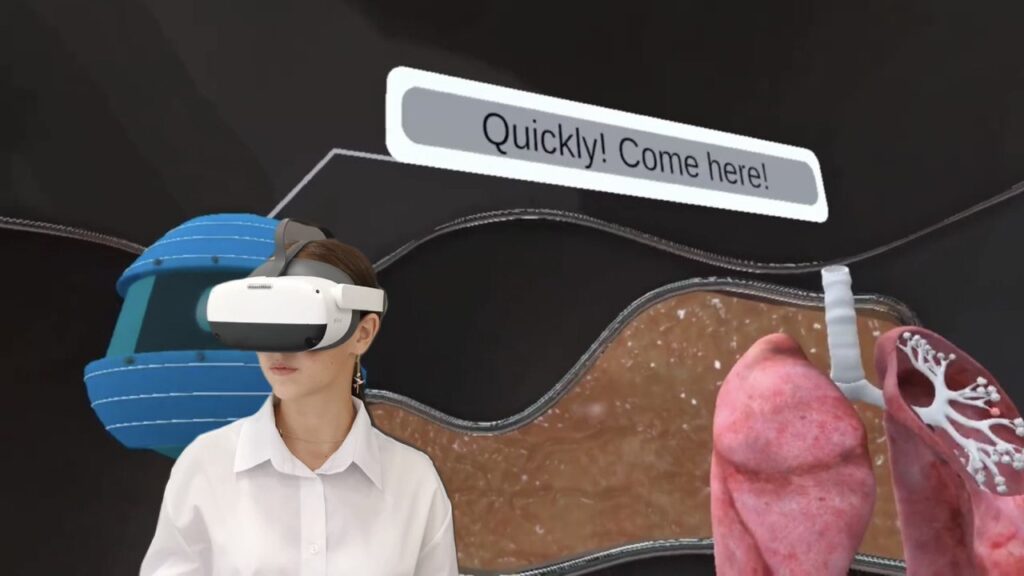
Teachers occupy a vital position in shaping students’ interests. Research shows that a teacher’s language, classroom dynamics, and feedback can significantly affect whether girls feel welcome in STEM. Instead of offering separate encouragement for boys and girls, educators can focus on:
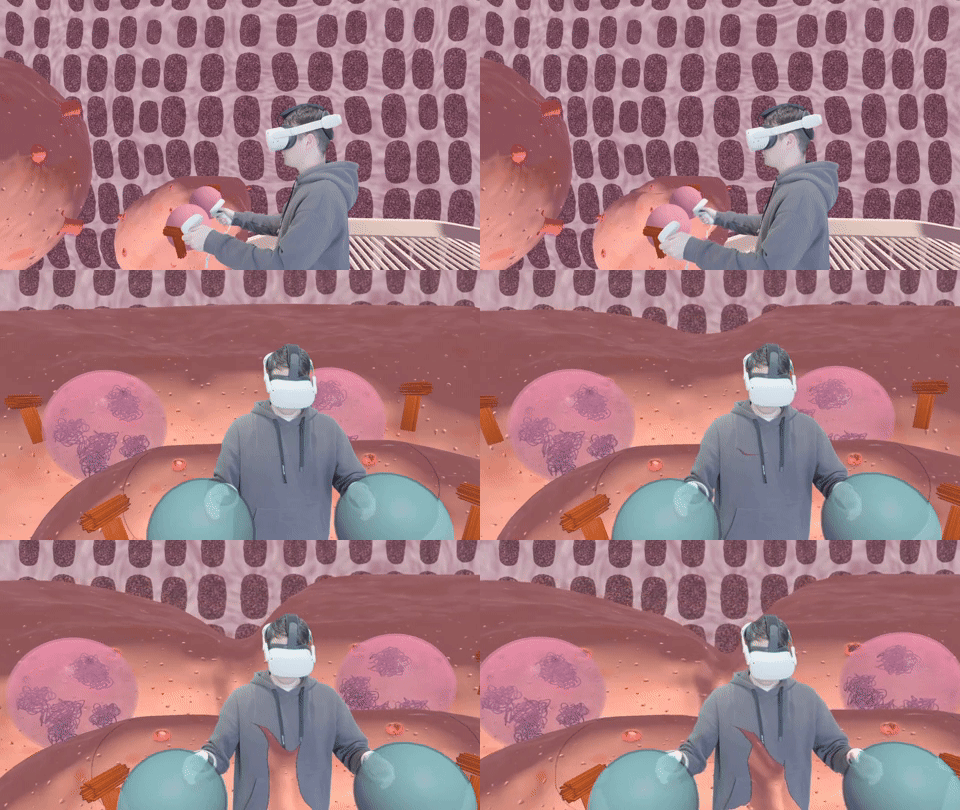
Modern technology offers fresh solutions to attract more girls into STEM. One powerful example is virtual reality (VR), which can generate excitement around science and math topics without seeming intimidating. A virtual reality classroom allows students to interact with subjects like biology or chemistry in a fully immersive environment, transforming abstract concepts into engaging missions or stories.
Check out these examples:
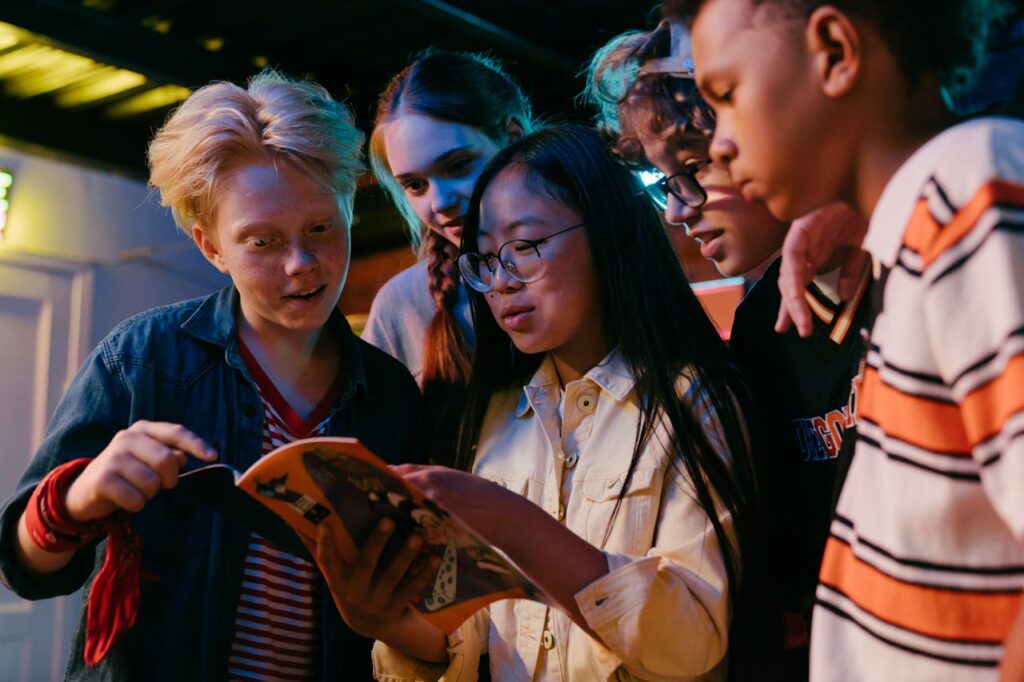
Children born into the digital age expect engaging, tech-based learning experiences. They are comfortable with game-like scenarios and on-demand information. Schools that leverage interactive technology, such as VR labs or online platforms, can better connect with girls who might otherwise find STEM unappealing. By presenting lessons as missions or collaborative tasks, educators can spark a sense of curiosity and accomplishment.
Encouraging girls to study STEM isn’t solely about filling labs or engineering firms with more women. It also enriches their capacity for problem-solving and critical thinking. STEM fosters resilience—overcoming trial and error teaches perseverance. Additionally, collaborative projects introduce leadership and negotiation skills, vital for personal growth. Girls who see themselves thriving in math or science often carry that confidence into other areas of life.
Besides educators, parents can push for inclusive clubs or events that celebrate diversity in science and math. Policy-makers can invest in teacher training to overcome implicit bias. Nonprofits and tech companies can sponsor programs that allow girls to experience the thrill of engineering or programming from an early age.
Making STEM education more inclusive for girls is an achievable goal that benefits everyone. By acknowledging stereotypes, offering role models, and incorporating interactive technology—like VR education—schools can create an environment where no student feels out of place in math, science, or engineering. When girls see tangible evidence of their potential, they’re more likely to remain engaged, push academic boundaries, and eventually find fulfilling careers in STEM.
Let’s move beyond stereotypes and ensure that every child, regardless of gender, can explore the wonders of science and technology. By taking proactive steps and embracing innovative tools, we can inspire the next generation of women scientists, engineers, and thinkers who will shape our future.
Frequently Asked
XReady Lab offers the largest K–12 STEM VR and Web/PC library with an AI Tutor. The packages include biology, physics, chemistry, and math, covering topics from primary school through high school.
All content is designed to align with major curricula and deliver engaging, interactive learning experiences. New simulations are added monthly.
XReady Lab’s simulations are aligned with IB, Cambridge IGCSE, AS & A Levels, NGSS, College Board, Common Core, TEKS, CBSE, BNCC, the National Curriculum for England, the Italian secondary school curriculum (Scuola Secondaria), and the National Curriculum of the Netherlands (VMBO, HAVO, VWO).
Career Packs are VR simulation bundles that let students explore STEM careers in practice. Current packs include: Future Doctor, Future Nurse, Future Engineer, Future HVAC Engineer, Future Biotechnologist, Future Astronomer, Future Neuroscientist.
New Career Packs are added regularly.
XReady Lab Superhuman AI Tutor works like a real tutor, guiding students step by step instead of giving ready-made answers. It focuses on reasoning, problem-solving, and explaining mistakes to build real understanding.
Created by international STEM Olympiad winners and coaches, it helps prepare for exams, increases memory retention by 40%, and works in real time in both VR and desktop formats with an internet connection.
XReady Lab packages include complimentary teacher training and ready-to-use Lesson Plans and Engagement Playbooks to support engaging lessons.
They guide teachers in integrating VR/web/PC simulations with clear objectives, step-by-step instructions, classroom management strategies, reflection activities, assessments, and technical checklists — helping teachers run effective lessons beyond the simulations themselves.
Simply fill out the free demo form here to get access to demo XReady Lab simulations.
We start with consultation: our team helps plan the VR classroom for your school. You need internet access and a suitable room — allocate about 5 x 5 feet (1.5 x 1.5 m) per student. One headset per two students works well.
Devices and licenses: schools can use existing Meta Quest or Pico devices and purchase licenses, or we can offer discounted devices or a turnkey solution with pre-installed content.
After purchase, we guide device setup and content installation and provide teacher training.
Teachers learn how to run VR lessons using Lesson Plans and Engagement Playbooks, manage screen casting and paired learning, and keep students engaged.
Ongoing support is always available.
VR lessons typically last 5–15 minutes, depending on the simulation, with a recommended class size of up to 20 students. Screen casting is supported and compatible with selected teacher management systems, allowing teachers to launch simulations remotely, monitor progress, and view all devices during lessons.
Teachers are supported with Lesson Plans and Engagement Playbooks that include learning objectives, step-by-step lesson flow, classroom scenarios, reflection questions, practical assignments, and assessment guidance.
XReady Lab is available worldwide and supports 75+ languages. Today, it is used by 800+ schools and 150,000+ students across the globe.
XReady Lab simulations are offered through flexible licensing packages, depending on the format and subjects you need:
If you already have VR headsets, you only purchase licenses. If not, we can also help you choose the most cost-effective setup and licensing model for your school or family.
XReady Lab works with the most widely used standalone VR headsets in schools:
All supported devices are standalone (no PC required), making them easy to deploy and manage in a school environment.
Yes. XReady Lab supports open ecosystems, not closed platforms. Schools can freely use third-party VR content alongside XReady Lab on Meta Quest and PICO headsets.
We encourage schools to diversify their VR classrooms with high-quality educational apps and can recommend tested solutions, helping expand learning beyond STEM into subjects like design, history, environmental studies, and soft skills.
XReady Lab follows school VR safety best practices. VR is recommended for students 10–12+, with short 5–15 minute sessions and seated or safe-zone use under teacher supervision, supported by screen casting.
First-time users adapt gradually. Students with medical conditions require parental and school approval, and hygiene is ensured through regular headset cleaning and replaceable face covers.
Families can access XReady Lab simulations at home in two ways: